CSSC Shipping assumes ASL containership contracts in $123m deal

CSSC Hong Kong Shipping will acquire two 5,300 TEU containerships and two bulkers, shifting asset risk from ASL Shipping to its leasing arm.
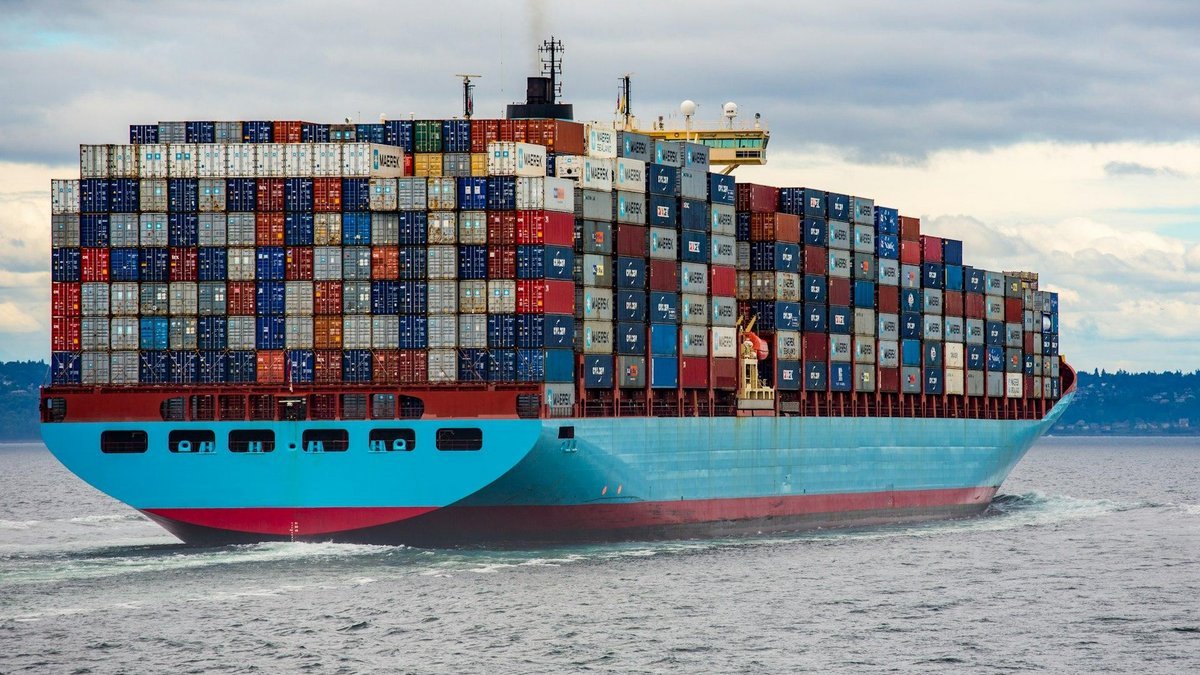
CSSC (Hong Kong) Shipping is expanding its fleet through a $122.8 million deal to take over shipbuilding contracts for two 5,300 TEU containerships. Its subsidiary, CA Shipping, signed the agreements on 17 November 2026 to assume the rights and obligations of the original buyer, ASL Shipping.
The vessels are priced at $61.4 million each and are under construction at Guangzhou Wenchong. China Shipbuilding Trading Company (CSTC) is also named as a seller in the transaction. Delivery is scheduled for 30 September and 30 November 2028, according to a company filing.
The group also disclosed separate contracts for two 80,000 dwt grain carriers. These bulkers are priced at CNH 326 million each. Both the containership and bulker transactions depend on independent shareholder approval and the activation of related bareboat charters.
Why it matters
This move shifts the financial weight of newbuild construction from ASL Shipping to the leasing arm of CSSC. By assuming these contracts, CSSC Shipping secures high-value assets with guaranteed employment, as the deal is contingent on bareboat charters taking effect. This structure allows the operator to manage the vessels without the immediate capital burden of direct ownership.
The 2028 delivery window for 5,300 TEU vessels points to a long-term bet on the mid-sized segment. While much of the industry focus remains on ultra-large tonnage, these vessels provide the flexibility required for regional trades and secondary routes. CSSC is effectively locking in capacity four years ahead of time.
The simultaneous acquisition of 80,000 dwt grain carriers highlights a deliberate diversification strategy. CSSC is balancing its portfolio across the container and dry bulk sectors, reducing its exposure to the volatility of any single commodity market. The use of CNH for the bulker pricing also reflects the specific financing structures available to Chinese leasing houses.
What to watch
The next trigger is the confirmation of the bareboat charterers and the subsequent vote by independent shareholders to finalize the asset transfer, which will reveal the long-term operators of the tonnage.