US Disables Chinese Bulker in Kinetic Escalation of Iran Blockade

US CENTCOM used precision munitions to disable the Chinese-owned Pacific Archer, signaling a hard line for bulkers running the Iran blockade.
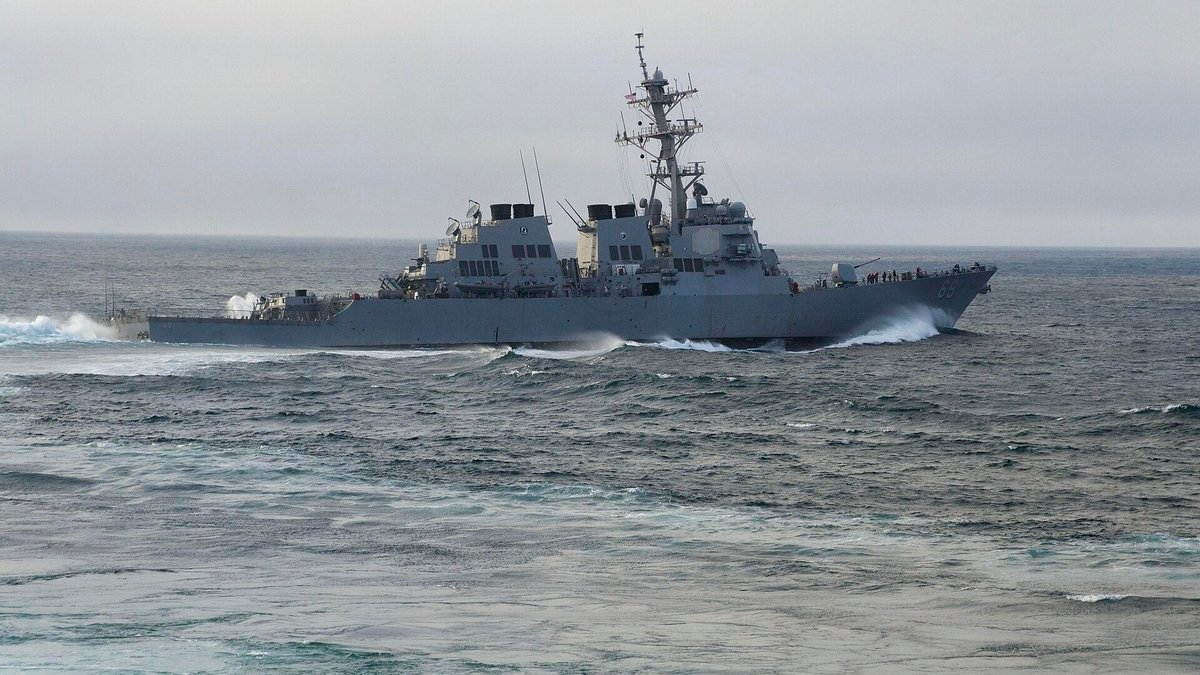
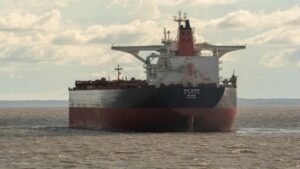
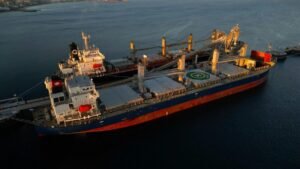
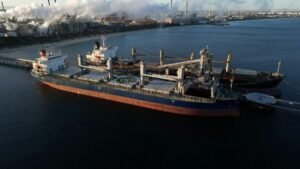
US forces disabled the Chinese-owned bulker Pacific Archer with precision munitions in the Gulf of Oman on Thursday, signaling a shift toward kinetic enforcement against dry bulk vessels attempting to exit Iranian ports. The strike on the 52,400 dwt vessel’s propulsion system confirms that the US blockade is now a hard line for all commercial segments, not just the energy trade.
U.S. Central Command (CENTCOM) reported that the Palau-registered vessel departed the Iranian port of Bandar Abbas and ignored multiple warnings before American aircraft targeted its stern. The civilian crew was uninjured in the attack, which left the 2001-built ship dead in the water. The Pacific Archer is the sixth vessel disabled since the blockade resumed, according to CENTCOM data.
While 158 vessels have complied with redirection orders since the resumption of the blockade, the military is increasingly using force against those that do not. At least 15 vessels have been disabled by U.S. forces since the end of February. Despite the tight control, maritime intelligence firm Windward reports that the product tanker Voyager Haven likely slipped through the blockade by falsely claiming a Mali flag, while a second tanker, the World Progress, stopped short of the U.S. line.
Why it matters
Owners and insurers can no longer view the U.S. blockade as a series of administrative sanctions or verbal redirections. The use of precision munitions to physically stop a ship in international waters creates an immediate loss of operational control and significant physical risk to the asset. For the bulk segment, the Pacific Archer incident proves that the U.S. military is willing to use kinetic force against dry cargo carriers just as it does against tankers.
The incident also exposes the limits of “dark fleet” tactics in a high-enforcement environment. While the Voyager Haven and World Progress attempted to use false flags and new identities to bypass the blockade, real-time intelligence is making these maneuvers transparent to both military forces and the market. For charterers and brokers, the risk of a vessel being disabled mid-voyage now outweighs any potential premium for calling at sanctioned ports.
The political volatility in Washington adds a layer of uncertainty for those operating in the Gulf of Oman. With the U.S. administration alternating between threats of escalation and claims that military efforts are nearly over, the operational environment remains unpredictable. However, the physical disabling of a Chinese-owned asset suggests that, for now, the military reality on the water is one of zero tolerance.
What to watch
The next concrete trigger will be the White House decision on whether to escalate military efforts or wind down the blockade as the administration considers its next steps toward Iran.