Miro G Refloated in France to Avoid Costly Wreck Removal

French authorities refloat the Miro G on the first attempt, saving the Greek-owned bulker from a potential on-site dismantling after grounding.
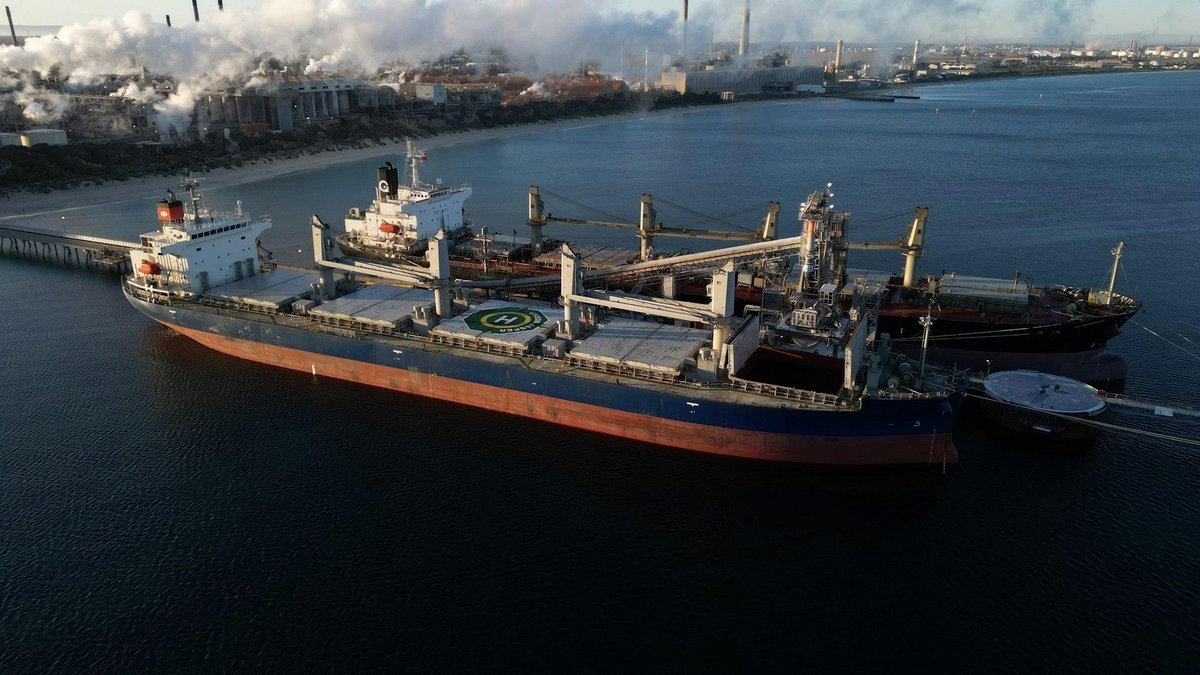
French authorities successfully refloated the Greek-owned bulker Miro G on Tuesday, averting a potential on-site dismantling that would have turned a salvage job into a total loss. The 28,200 dwt vessel was pulled free during a peak high tide after spending days high on a beach in the Bay of Biscay.
The Miro G went ashore overnight on November 19 during a storm with 48-knot gusts and waves reaching six meters. French forces initially airlifted 19 crewmembers from the 169-meter ship, fearing it could capsize on the beach. The vessel was heading toward Rouen, France, after offloading cargo in Spain when it reported maneuvering difficulties.
The salvage operation involved an airlifted generator to power pumps for de-ballasting and a 1,900-meter Kevlar cable connected to the tug Abeille Bretagne. Private fishing boats were also on standby with anti-pollution gear. The tug pulled the vessel back into the water within 15 minutes of the operation starting, about one hour before high tide.
Why it matters
This outcome is a major win for the vessel’s owners and insurers. Authorities had warned that because the ship grounded during a storm high tide and sat high on the sand, it might require dismantling where it lay. A successful refloat on the first try ends that threat and likely limits the claim to salvage and repair costs rather than a full wreck removal project.
The operation also highlights the narrow window for success in such groundings. Officials noted they only had until Thursday to take advantage of peak tides, which were a full meter higher than when the ship first struck the beach. Missing this window would have likely left the Miro G stranded until the next lunar cycle, increasing the risk of structural failure or environmental leaks.
For the French government, the lack of pollution confirms the efficacy of their rapid response. A Navy Falcon 50 flight confirmed no visible pollution in the area following the refloat. This prevents the long-term environmental and reputational damage often associated with winter groundings in the Bay of Biscay.
What to watch
Divers will now conduct a full hull inspection at a nearby port to determine if the Miro G sustained structural damage that could complicate its return to service. The results of this survey will dictate whether the vessel proceeds for repairs or faces a more complex insurance settlement.