Russian Corvette Sunk in Benghazi as Ukraine Escalates Mediterranean War

The sinking of RFS Merkury in Benghazi signals a shift to terminal USV strikes against Russian-linked shipping in the Mediterranean.
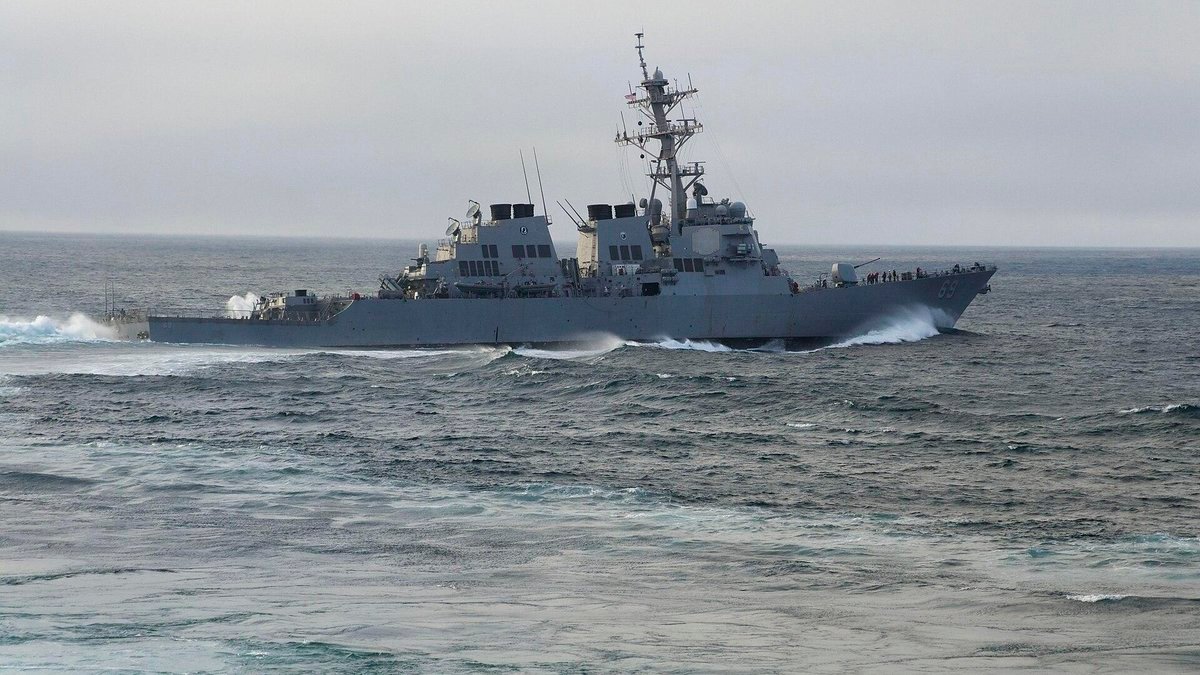
The sinking of the Russian corvette RFS Merkury in Benghazi marks a lethal escalation in the Mediterranean, where Ukrainian forces are now using terminal-strike surface drones to destroy rather than just disable Russian-linked shipping. Satellite imagery and video evidence confirm the Steregushchiy-class vessel was attacked by up to six explosive-laden uncrewed surface vessels (USVs) and later seen submerged on its side.
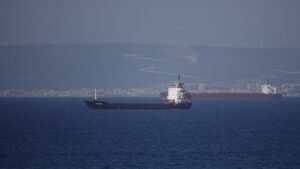
The attack extended to two cargo ships moored nearby. One has been identified as the sanctioned civilian-manned military cargo vessel Ascalon. The second vessel attacked was Maltese-flagged, which analysts suggest may have been misidentified as the Russian-linked Anastasiia. Both Russian cargo ships had been traveling without AIS since passing through the Strait of Gibraltar on November 13.
Naval News reports the RFS Merkury had been in Benghazi for several days escorting Russian military cargo deliveries. While Libyan authorities under Field Marshal Khalifa Haftar described the vessels as making a routine call, the port is a known hub for Russian arms deliveries to the Libyan National Army.
Ukrainian involvement is tied to a drone detachment at Misrata Air Base. While the Libyan Observer denied the presence, CNN and RFI have interviewed Ukrainian SBU members at the site. Previous Ukrainian operations in the region used Volyniaka hexacopter drones to drop small bombs, but the Benghazi strike confirms the deployment of heavy USVs capable of sinking warships.
Why it matters
The shift from aerial hexacopters to explosive USVs changes the risk profile for all vessels operating in or near Libyan ports controlled by the Haftar administration. Previous attacks on the tankers Qendil and Lady Mariia were designed to disable; the use of six USVs against the RFS Merkury shows an intent to destroy assets and permanently block berths.
The attack on a Maltese-flagged vessel creates a severe misidentification risk for neutral commercial shipping. As Russian military cargo vessels increasingly travel dark without AIS and in close proximity to civilian ships, the margin for error for drone operators increases. Owners and insurers must now account for the possibility of kinetic strikes on any vessel sharing a mole with sanctioned Russian tonnage.
This development also compromises the security of the Russian North African logistics chains. With one corvette sunk and a second convoy consisting of the Lady R, Lady D, and Maia-1 currently off Sardinia, the Russian Navy faces a choice between increasing escort intensity or risking further high-value losses to low-cost drone technology.
What to watch
The progress of the second Russian convoy escorted by the frigate RFS Admiral Golovko as it moves toward the Central Mediterranean. Any change in its course or speed will indicate how the Russian Navy intends to counter the new USV threat outside the Black Sea.