Drone strike on Russian ship brings war to Gulf of Finland

A drone strike on a Russian cargo ship in the Gulf of Finland forces maritime restrictions and marks a dangerous spillover of the conflict.
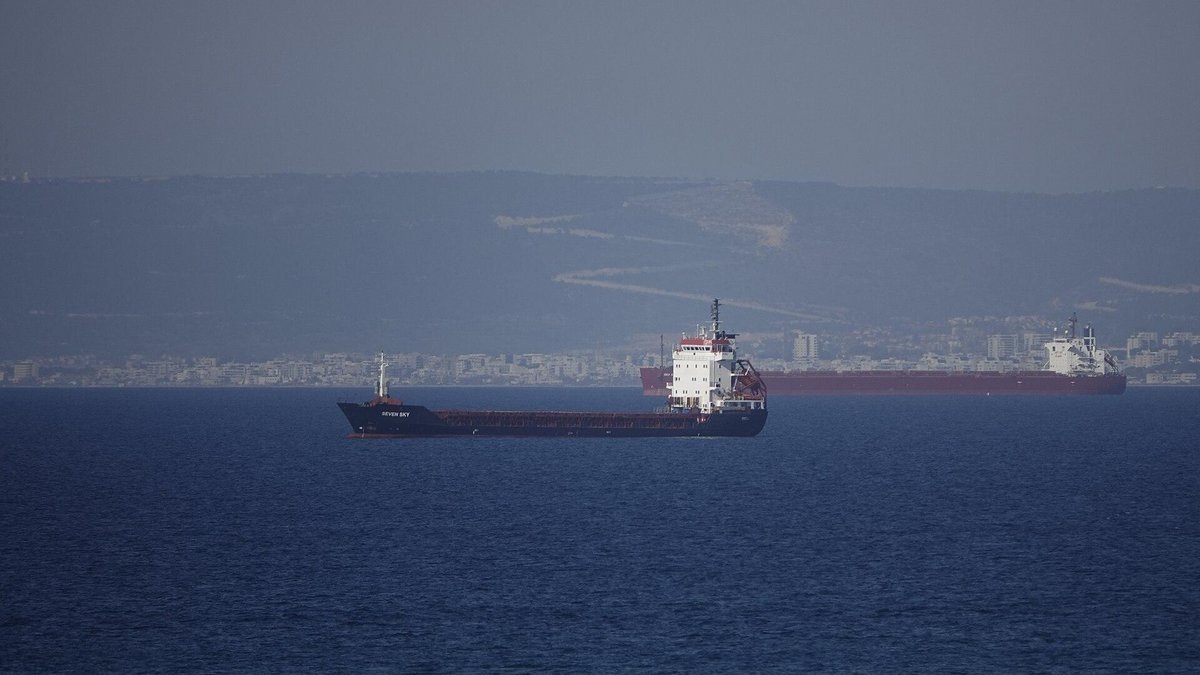
A drone strike on a Russian-flagged cargo ship in the Gulf of Finland has forced the reintroduction of maritime restrictions in the region, signaling that merchant traffic in the Baltic is now a direct target of the conflict. The vessel was towed out of Finnish territorial waters on Sunday after a two-day firefighting operation led by the Finnish Border Guard.
Finnish defence forces detected the attack in international waters on Saturday morning, west of Suursaari. The damaged vessel drifted into Finnish territorial waters before being anchored off Loviisa. While no external fire was visible, thermal cameras indicated that containers on board remained warm throughout the weekend. The crew was evacuated to a nearby cargo vessel, and Finnish authorities reported no fuel or hazardous substance leaks.
The Finnish Border Guard coordinated the response alongside Estonian and Russian rescue resources. During the operation, the Finnish Ministry of Defense reported a suspected airspace violation by a Russian helicopter, which flew 4.1 km into Finnish territory. Finnish authorities reintroduced temporary aviation and maritime restrictions in the eastern Gulf of Finland twice on Saturday to protect civilians and enable drone interception.
Why it matters
The Gulf of Finland is a narrow and congested corridor. This strike moves the geographic risk of the Russia-Ukraine war from the Black Sea directly into the Baltic, turning a primary trade route into a potential combat zone. For shipowners and charterers, this means the risk of collateral damage is no longer theoretical. The reintroduction of maritime restrictions by Finland shows how quickly commercial traffic can be disrupted by kinetic actions in these waters.
The incident also creates a new friction point for insurers. While the source does not report a total loss, the heat detected in the containers points to significant cargo damage. If drone strikes on merchant vessels become a recurring feature in the Baltic, war-risk premiums for any vessel calling at Russian Baltic ports or transiting the Gulf of Finland will likely face upward pressure.
The operational coordination between Finnish, Estonian, and Russian rescue units prevented an environmental disaster, but the suspected Russian helicopter incursion highlights the risk of military miscalculation. With Finland now a NATO member, any spillover from strikes on Russian shipping into Finnish territory or airspace forces a high-stakes security response that can shut down commercial transit at a moment’s notice.
What to watch
Watch for whether the Finnish Border Guard or neighboring Baltic states formalize these temporary maritime restrictions into permanent high-risk zones, which would force a rerouting of traffic or increased transit times for vessels in the eastern Gulf.