CBO Forecasts $250 Billion Shortfall for U.S. Navy Fleet Expansion

The CBO warns the U.S. Navy's 398-ship plan is $250 billion over budget as construction timelines for destroyers double to 11 years.
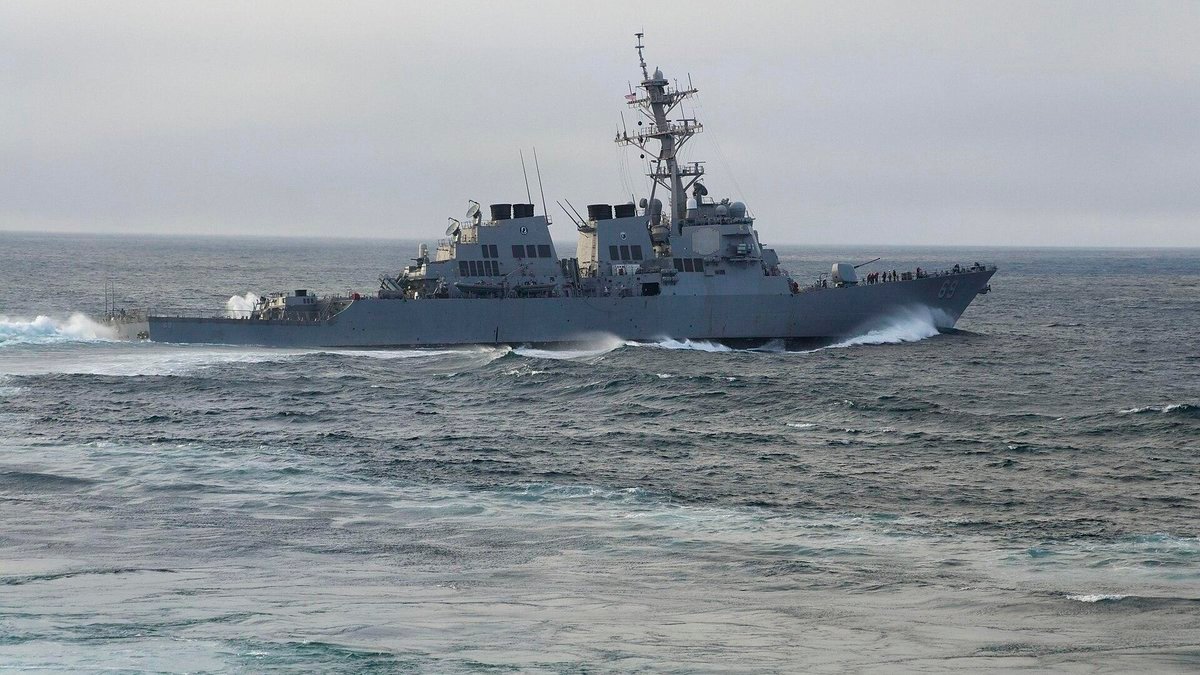
The U.S. Navy’s plan to build the largest fleet since 2001 faces a $250 billion funding gap that likely renders its 398-ship goal unreachable. According to a Congressional Budget Office (CBO) analysis, the Navy’s cost projections fail to account for the industrial reality of doubling construction timelines and the massive expense of switching to nuclear-powered battleships.
The CBO estimates the Navy will need an average of $54 billion a year in 2026 dollars through 2056 to execute its fiscal 2027 plan. This is 40 percent more than the inflation-adjusted amounts Congress has typically appropriated for shipbuilding in recent years. Over three decades, the CBO projects total costs will hit $1.47 trillion, far exceeding the Navy’s $1.23 trillion estimate.
A major driver of the cost blowout is the new nuclear-powered Trump-class battleships. The CBO estimates the lead ship, USS Defiant, will cost $23 billion, with follow-on hulls priced at $18 billion each. This is significantly higher than the Navy’s initial $15 billion estimate for a conventionally powered lead ship. The plan also calls for 72 medium unmanned surface vessels to grow the battle force from 286 ships today.
Industrial delays are also inflating the budget. The CBO found that DDG-51 destroyers now take 11 years to deliver on average, compared to just five years in the early 2000s. Newport News Shipbuilding is already behind schedule on three aircraft carriers and multiple submarines.
Why it matters
The $250 billion discrepancy between the Navy and the CBO suggests the 398-ship fleet is a paper ambition rather than a funded reality. If funding remains at historical levels, the Navy will be forced to cut hull numbers or delay modernization, meaning the fleet will likely remain far smaller than the projected battle force.
The doubling of construction times for destroyers points to a systemic bottleneck in the U.S. shipbuilding industrial base. Adding 15 nuclear-powered battleships to a system that is already failing to deliver carriers and submarines on time will likely push delivery dates even further into the future, increasing costs through wage and inflation pressures.
Shipbuilders and contractors face a secondary financial threat from the Navy’s own infrastructure. The Government Accountability Office estimates that modernizing public shipyards will cost $200 billion over several decades. This funding will compete directly with new construction, forcing the Navy to choose between maintaining its current vessels and building the new Trump-class fleet.
What to watch
The fiscal 2027 budget will provide the first concrete indication of whether the Navy will scale back its ambitions, as the CBO already expects delays for the nuclear-powered Trump-class battleships.