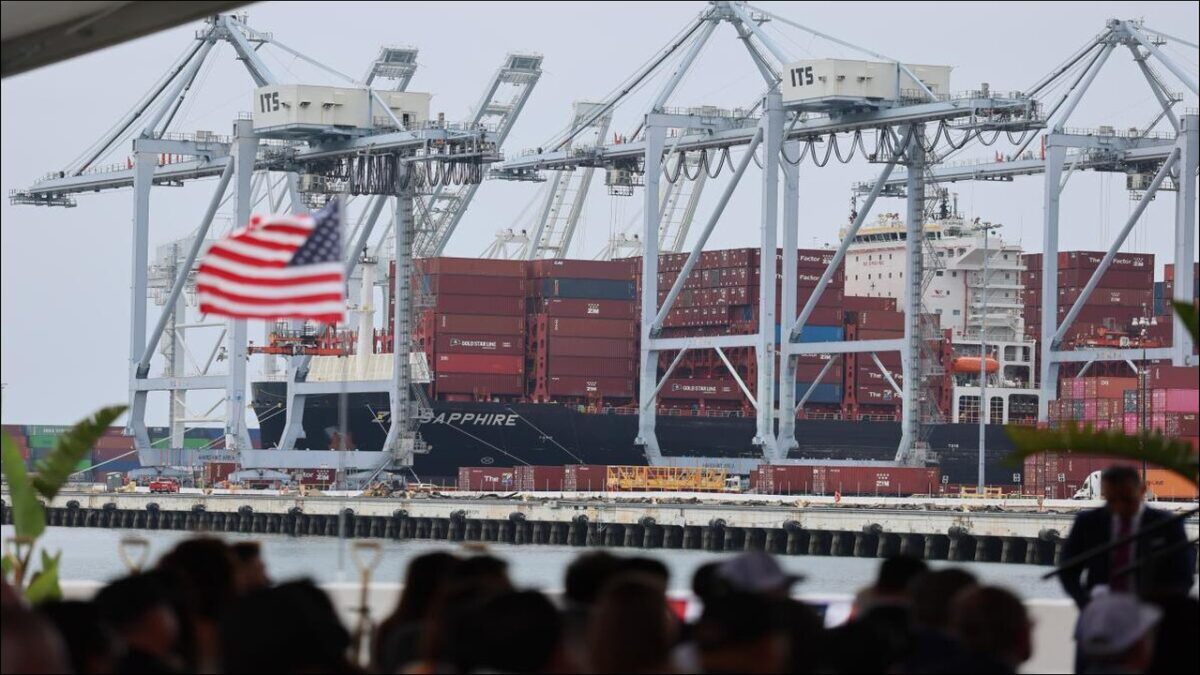
Port of LA Breaks June Container Handling Record | Mariner News
The Port of Los Angeles has once again demonstrated its pivotal role in global maritime trade, achieving an unprecedented milestone in container handling for the month of June. Breaking all previous records for the period, the nation’s busiest port processed an astounding volume of cargo, signaling robust activity in the logistics and shipping sectors. This remarkable performance underscores the dynamic shifts occurring within the global supply chain, driven by various economic and policy-related factors. The continuous flow of goods through this vital gateway impacts countless industries and consumers across the United States and beyond, solidifying its position as a cornerstone of international commerce.
The record-breaking figures from the Port of Los Angeles are a clear indicator of accelerated import activities and a strategic response by businesses to evolving market conditions. This surge in cargo throughput reflects a broader trend of companies proactively managing their inventory levels, often ahead of anticipated policy changes or seasonal demand. The Port’s ability to efficiently manage such high volumes speaks volumes about its operational capacity, technological advancements, and the dedicated workforce that facilitates seamless trade. As a key economic barometer, these numbers offer valuable insights into the health and direction of both domestic and international economies, providing a glimpse into the complexities of modern global logistics.
Record-Setting June Performance and Key Metrics at Port of LA
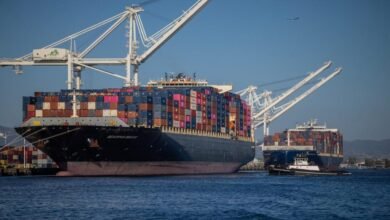
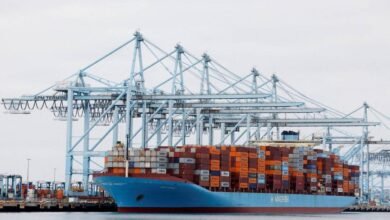
In a landmark achievement, the Port of Los Angeles posted its best-ever container volume numbers for June, decisively pushing past the one million-TEU (Twenty-foot Equivalent Unit) mark. This feat not only sets a new seasonal record for the port but also highlights an extraordinary period of activity. Specifically, the port handled an impressive 1,002,734 TEU for the month, representing a significant 12 percent increase year-on-year. This is only the third time in the Port of LA’s storied history that it has surpassed the one million TEU threshold in a single month, a remarkable accomplishment, especially considering June is typically considered part of the low season for container import traffic.
The driving force behind these exceptional figures was primarily the robust inflow of loaded import boxes, which accounted for 530,000 TEU—a substantial 13 percent jump compared to the previous year. This surge in imports suggests a strong consumer demand and business inventory replenishment. Additionally, the handling of empty containers also saw a significant boost, rising by 17 percent to reach 345,000 TEU. This increase in empty container movement is crucial for the efficient functioning of the global shipping industry, as carriers work diligently to reposition containers back to Asia for reloading, ensuring the continuous cycle of trade.
Driving Forces Behind the Unprecedented Surge in Cargo Volume
The extraordinary surge in container volume at the Port of Los Angeles can be attributed to a confluence of strategic business decisions and macro-economic factors. A primary motivator for importers has been the accelerated timetable for pulling inventory into the country. Businesses are increasingly opting to front-load their supply chains, bringing goods in earlier than usual. This proactive strategy is heavily influenced by concerns over future tariff policies, particularly the potential for new or increased tariffs that could impact the cost of imported goods. By securing inventory ahead of time, companies aim to mitigate financial risks and ensure product availability.
Beyond tariff considerations, the broader economic landscape also plays a crucial role. A resilient consumer market, coupled with businesses rebuilding inventories that might have been depleted during previous economic fluctuations, contributes significantly to the demand for imported goods. Global supply chain dynamics, including production schedules in manufacturing hubs, also dictate the flow of cargo. The ability of the Port of Los Angeles to absorb and process such high volumes efficiently demonstrates its critical function in maintaining the fluidity of international commerce and its responsiveness to market shifts and business strategies aimed at optimizing logistics and inventory management.
The Broader Impact on Global Supply Chains and Trade
The record-breaking container handling performance at the Port of Los Angeles has significant implications for the global supply chain and the wider trade ecosystem. As one of the world’s most vital maritime gateways, the port’s activity is a bellwether for international trade health. High throughput indicates strong economic connections between Asia and North America, highlighting the intricate dependencies within the global production and consumption network. The increased movement of goods translates to more robust economic activity across various sectors, from transportation and warehousing to retail and manufacturing, underscoring the interconnectedness of modern economies.
Furthermore, the port’s sustained performance in handling such massive volumes impacts logistics providers, trucking companies, rail operators, and distribution centers throughout North America. The efficiency of operations at the port directly affects transit times, delivery schedules, and overall supply chain costs for businesses. Maintaining this high level of efficiency requires continuous investment in infrastructure, technology, and workforce development to prevent bottlenecks and ensure the smooth flow of goods. This ripple effect extends to consumer shelves, impacting product availability and pricing, making the port’s operational excellence crucial for daily life.
Port of Long Beach’s Parallel Success Story
The exceptional performance observed at the Port of Los Angeles was mirrored by its neighbor, the Port of Long Beach, which also reported near-record figures for June. The Port of Long Beach handled nearly 780,000 TEU during the month, marking an impressive 11 percent increase year-over-year. This parallel success at both San Pedro Bay ports underscores a regional trend of heightened maritime activity and a shared response to global trade demands. Like its counterpart, the Port of Long Beach saw its increased traffic largely driven by robust import volumes and the efficient repositioning of empty containers.
While imports and empties saw significant upticks, both ports experienced a slight dip in export volumes. This trend often occurs when strong import demand prioritizes the quick turnaround of vessels and containers back to origin countries, sometimes at the expense of outbound cargo space. However, the overall picture for Long Beach remains exceedingly positive. The port has already handled over 4.8 million containers so far this year, positioning 2026 to potentially be its busiest year on record if the current pace of import activity continues through the second half of the year. The collective performance of these two West Coast powerhouses demonstrates their indispensable role in facilitating American trade.
Leadership Insights and Future Outlook
Executive Director Gene Seroka of the Port of Los Angeles expressed immense pride in the port’s achievements, stating, “Crossing the 1 million container mark for the third time and closing our fiscal year with more than 10.4 million TEUs are remarkable accomplishments.” He further emphasized, “These milestones reflect the consistency of the Port of Los Angeles and the people who make them possible every day.” This sentiment highlights the dedication and hard work of the entire port community, from longshore workers to administrative staff, in navigating the complexities of modern cargo operations.
Looking ahead, the outlook for both ports remains cautiously optimistic. While the current surge is impressive, the shipping industry is always subject to global economic fluctuations, geopolitical developments, and evolving trade policies. Industry experts will be closely monitoring factors such as consumer spending trends, inventory levels, and the ongoing discussions around international trade agreements. The strategic initiatives undertaken by port authorities, including investments in sustainable infrastructure and digital transformation, will be critical in sustaining growth and maintaining their competitive edge in the highly dynamic global shipping landscape. The proactive approach to managing capacity and enhancing operational resilience will define their trajectory.
Strategic Importance of West Coast Ports in Global Trade
The Ports of Los Angeles and Long Beach are not merely cargo terminals; they are strategic national assets that play an outsized role in the global economy. As the primary gateways for trans-Pacific trade, they handle an enormous percentage of goods entering the United States from Asia, including consumer electronics, apparel, machinery, and countless other products. Their efficiency and capacity directly impact the cost of goods for American consumers and the competitiveness of U.S. businesses in the international market. The health and performance of these ports are therefore vital indicators of broader economic trends and supply chain stability.
Beyond their direct economic impact, these ports are also significant employers and economic engines for the Southern California region and beyond, creating thousands of jobs in logistics, transportation, and related industries. The sheer volume of cargo processed through these facilities necessitates a robust ecosystem of support services, from warehousing and distribution centers to rail and trucking networks. Their continuous efforts to modernize infrastructure, enhance security, and implement sustainable practices ensure their long-term viability and ability to adapt to future challenges, solidifying their position as critical nodes in the global supply chain network.
Navigating Future Challenges and Opportunities in Maritime Logistics
While the current record-breaking numbers paint a picture of success, the maritime logistics sector faces persistent challenges. Geopolitical tensions, potential trade disputes, and the ever-present threat of supply chain disruptions—whether due to natural disasters or other unforeseen events—require constant vigilance. The industry must also contend with increasing demands for sustainability and decarbonization, pushing ports and shipping lines to invest in greener technologies and operational practices. These challenges, however, also present opportunities for innovation, collaboration, and the development of more resilient and environmentally friendly supply chains.
The strategic foresight of port authorities, coupled with collaborative efforts across the shipping industry, will be paramount in navigating these complex waters. Investments in automation, artificial intelligence, and advanced data analytics are already transforming port operations, leading to greater efficiency and predictive capabilities. By embracing these technological advancements and fostering strong partnerships with stakeholders, the Ports of Los Angeles and Long Beach can continue to set benchmarks in container handling and logistics, ensuring their enduring relevance and contribution to global trade in an increasingly interconnected and dynamic world. The focus on future-proofing operations is a continuous endeavor.
In conclusion, the Port of Los Angeles’ best-ever June for container handling, alongside the strong performance of the Port of Long Beach, marks a significant period of growth and activity for West Coast ports. Driven by strategic import acceleration and an active response to market conditions, these figures highlight the critical role these maritime hubs play in the global economy. As they continue to adapt and innovate, their contributions to international trade and national prosperity remain indispensable.