Nuclear Boxship Concept Gets ABS Approval | Mariner News
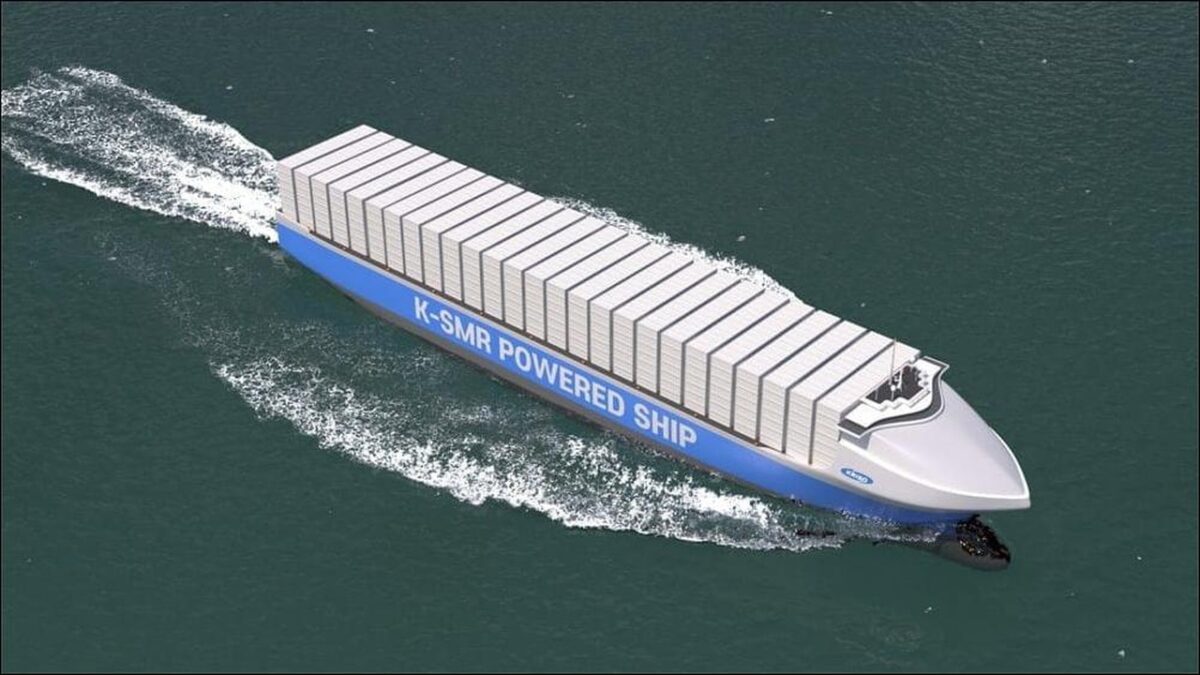
The global maritime industry is witnessing a revolutionary stride towards decarbonization with the recent ABS Approval for a Korean nuclear-powered boxship concept. This groundbreaking development, spearheaded by the Korea Research Institute of Ships & Ocean Engineering (KRISO), marks a pivotal moment in the quest for sustainable shipping solutions. The conceptual design of a 15,000 TEU nuclear-powered container ship, featuring advanced small modular reactors (SMRs), promises to redefine efficiency, safety, and environmental responsibility in global trade. This significant endorsement from the classification society ABS not only validates the technical feasibility of nuclear propulsion for commercial vessels but also accelerates the industry’s journey towards a zero-emission future, moving beyond conventional fossil fuels to embrace innovative and powerful alternatives.
Pioneering Design: The KRISO Nuclear Container Ship Concept
KRISO’s visionary design for a 15,000 TEU container ship represents a monumental leap in marine engineering. This Neo-Panamax vessel is engineered for impressive performance, boasting a service speed of 25 knots, which significantly enhances transit times and operational schedules. At its core, the propulsion system integrates two molten salt small modular reactors (SMRs), meticulously supported by a robust energy storage system. This unique combination ensures reliable and consistent power delivery, crucial for the demanding schedules of modern container logistics.
The strategic, central placement of these advanced reactors within the vessel is a key aspect, explicitly aimed at maximizing safety and operational efficiency. By positioning the nuclear power plants away from the ship’s extremities, KRISO has addressed critical safety concerns, a paramount consideration for any nuclear application. Furthermore, the innovative design completely removes the need for conventional fuel tanks and funnels, a radical departure from traditional shipbuilding. This clever modification liberates substantial space, directly translating into increased cargo capacity – a significant economic advantage for shipping operators in the highly competitive container market.
This ambitious concept underwent rigorous validation through extensive model testing under diverse sea conditions. The successful outcomes of these tests affirm the design’s stability, maneuverability, and overall robustness, providing confidence in its real-world application. Such thorough testing is indispensable for verifying the performance and safety parameters of a novel vessel class, especially one incorporating advanced nuclear technology. The comprehensive nature of these validations underscores the serious commitment to bringing a safe and reliable nuclear-powered merchant fleet to fruition.
Small Modular Reactors (SMRs): Powering Sustainable Maritime
At the heart of KRISO’s innovative container ship concept are Small Modular Reactors (SMRs). These advanced nuclear reactors, specifically using molten salt technology, are game-changers for their compact size, enhanced safety features, and modular construction. Unlike traditional large-scale nuclear power plants, SMRs are designed to be fabricated off-site and transported for installation, streamlining construction and deployment. Their inherent safety characteristics, often including passive safety systems that do not require active intervention in an emergency, make them particularly attractive for mobile applications like marine propulsion.
Molten salt reactors (MSRs) offer several advantages highly beneficial for maritime use. They operate at high temperatures but low pressures, reducing the risk of critical failure. The molten salt coolant itself acts as both fuel and coolant, simplifying the reactor core design and potentially enabling more efficient fuel burn-up. This advanced reactor type, with its strong safety profile and compact footprint, provides a compelling solution for marine propulsion where space is at a premium and safety is non-negotiable. The Korea Atomic Energy Research Institute (KAERI) is actively developing this specialized marine molten salt reactor technology, ensuring localized expertise and R&D support for its successful integration.
The adoption of SMRs for marine propulsion represents a significant technological leap, moving beyond the traditional challenges associated with large-scale nuclear plants. Their modularity allows for scalable power solutions, making them suitable for various vessel types and sizes, not just mega-container ships. This flexibility, combined with their inherent safety, positions SMRs as a leading contender for decarbonizing a broad spectrum of the global shipping fleet, from bulk carriers to tankers and beyond, laying the groundwork for a versatile and sustainable energy future at sea.
Enhanced Safety, Efficiency, and Capacity for Global Trade
The design principles behind the Korean nuclear-powered boxship prioritize a trifecta of benefits: enhanced safety, superior operational efficiency, and significantly increased cargo capacity. Safety is paramount, particularly given the historical reluctance to adopt nuclear power in commercial shipping. KRISO’s central reactor placement is a deliberate design choice that mitigates risks associated with collision or grounding, ensuring maximum protection for the power source. This robust safety architecture is complemented by the inherent safety features of molten salt SMRs, which are designed for robust containment and fail-safe operation.
From an efficiency standpoint, nuclear propulsion offers unparalleled advantages. The ability to operate for extended periods without refueling dramatically reduces operational downtime and eliminates the need for frequent bunkering, optimizing logistical chains. A service speed of 25 knots, powered by nuclear energy, allows for faster transit times, enabling vessels to meet tight schedules and potentially reduce the number of ships required for a given trade route. This speed advantage, combined with predictable fuel costs, offers significant economic benefits over the long term.
One of the most commercially appealing aspects is the increased cargo capacity. By removing bulky conventional fuel tanks, which can occupy substantial space on large vessels, the nuclear-powered container ship design maximizes revenue-generating cargo volume. This optimization directly translates to higher profitability per voyage, offering a compelling business case for early adopters. The elimination of exhaust funnels also streamlines the ship’s profile, potentially reducing air resistance and further enhancing overall efficiency, while also improving aesthetic and operational flexibility on deck.
Navigating Regulatory Frameworks for Nuclear Shipping
Despite the clear technological advancements and benefits, the commercial adoption of nuclear propulsion in shipping has historically faced significant hurdles, primarily stemming from complex regulatory and safety challenges. While naval vessels have routinely utilized nuclear power for decades, integrating this technology into the civilian merchant fleet requires a comprehensive and universally accepted international safety framework. This framework must address everything from reactor design and operation to waste management, emergency response, and crew training, ensuring compliance across diverse maritime jurisdictions.
Recognizing the immense potential of nuclear technologies for decarbonizing shipping, the International Maritime Organization (IMO) began the crucial process of developing a safety framework for nuclear-powered ships earlier this year. This proactive step by the IMO is a critical turning point, indicating a global willingness to seriously consider and facilitate the safe integration of nuclear propulsion into commercial maritime operations. The development of clear, standardized international regulations will be key to unlocking widespread adoption and building public and industry confidence.
The journey towards widespread commercial deployment will also involve overcoming public perception challenges and ensuring robust port state control measures. Collaboration between classification societies like ABS, ship designers like KRISO, and regulatory bodies like the IMO is essential to establish a transparent and stringent regulatory environment. This collaborative approach will help address concerns regarding safety, security, and environmental protection, ultimately paving the way for nuclear-powered merchant vessels to operate globally with confidence and acceptance.
Economic and Environmental Impact: Decarbonizing Global Trade
The advent of nuclear-powered container ships holds profound implications for both the economics of global trade and the environmental sustainability of the shipping industry. From an environmental perspective, the most significant advantage is the elimination of greenhouse gas emissions and harmful air pollutants associated with burning fossil fuels. Nuclear propulsion offers a truly zero-emission operational footprint, playing a crucial role in achieving the ambitious decarbonization targets set by the IMO and global climate agreements. This shift dramatically reduces the industry’s carbon footprint, contributing directly to cleaner oceans and air quality.
Economically, while the initial capital investment for nuclear-powered vessels might be higher, the long-term operational savings are compelling. The independence from volatile fossil fuel prices provides stability and predictability to operating costs, a significant advantage in an industry heavily impacted by energy market fluctuations. Reduced refueling stops also translate into more active sailing time and potentially lower port charges, further enhancing profitability. The extended operational range without refueling also opens up new possibilities for trade routes and logistical strategies.
Furthermore, the “green” credentials of nuclear propulsion will be a significant market differentiator in an era of increasing environmental consciousness and regulatory pressure. Shippers are increasingly seeking sustainable supply chain solutions, and cargo carried on zero-emission nuclear boxships could command a premium or satisfy evolving ESG (Environmental, Social, and Governance) requirements. This provides a clear competitive edge for operators embracing this advanced technology, positioning them at the forefront of the green shipping revolution and attracting environmentally responsible clientele.
The Future of Maritime: Opportunities and Challenges Ahead
While the ABS Approval for KRISO’s Korean nuclear-powered boxship concept is a monumental step, the road to widespread adoption of nuclear propulsion in commercial shipping is still long and complex. Key challenges include the substantial upfront capital costs for construction, the need for specialized crew training and certification, and the ongoing development of comprehensive waste management solutions for spent nuclear fuel. Establishing a global infrastructure for nuclear vessel support, including specialized port facilities and emergency response capabilities, also represents a significant undertaking.
However, the opportunities presented by this technology are equally immense. Nuclear power offers a viable, long-term solution for deep-sea shipping’s decarbonization, providing the high power output and extended range necessary for global trade without carbon emissions. The continuous advancements in SMR technology, coupled with increasing environmental urgency, are creating a conducive environment for its re-evaluation and adoption. This innovation could pave the way for a new generation of highly efficient, environmentally friendly merchant vessels that are less susceptible to geopolitical energy shocks.
The collaboration between industry leaders like KRISO and Samsung Heavy Industries, alongside nuclear experts from KAERI, exemplifies the integrated approach required to bring such complex projects to fruition. As the IMO progresses with its regulatory framework, and further technological refinements occur, nuclear-powered shipping could transition from a conceptual design to a tangible reality, fundamentally reshaping the future of maritime transport. This journey requires sustained commitment, international cooperation, and a bold vision for a sustainable and technologically advanced global fleet.