Malaysia Detains Tanker for Unauthorized Anchoring | Mariner News
In a decisive move underscoring its commitment to maritime law, the Malaysian authority recently detained a tanker suspected of engaging in unauthorized anchoring within its territorial waters. This incident, which occurred in the bustling shipping lanes off the coast of Selangor, serves as a stark reminder to the global maritime community about the stringent regulations governing vessel movements and the active enforcement efforts of nations to protect their marine environments and economic zones. The detention highlights the critical importance of adhering to specific local and international maritime regulations to ensure safe and lawful vessel operations.
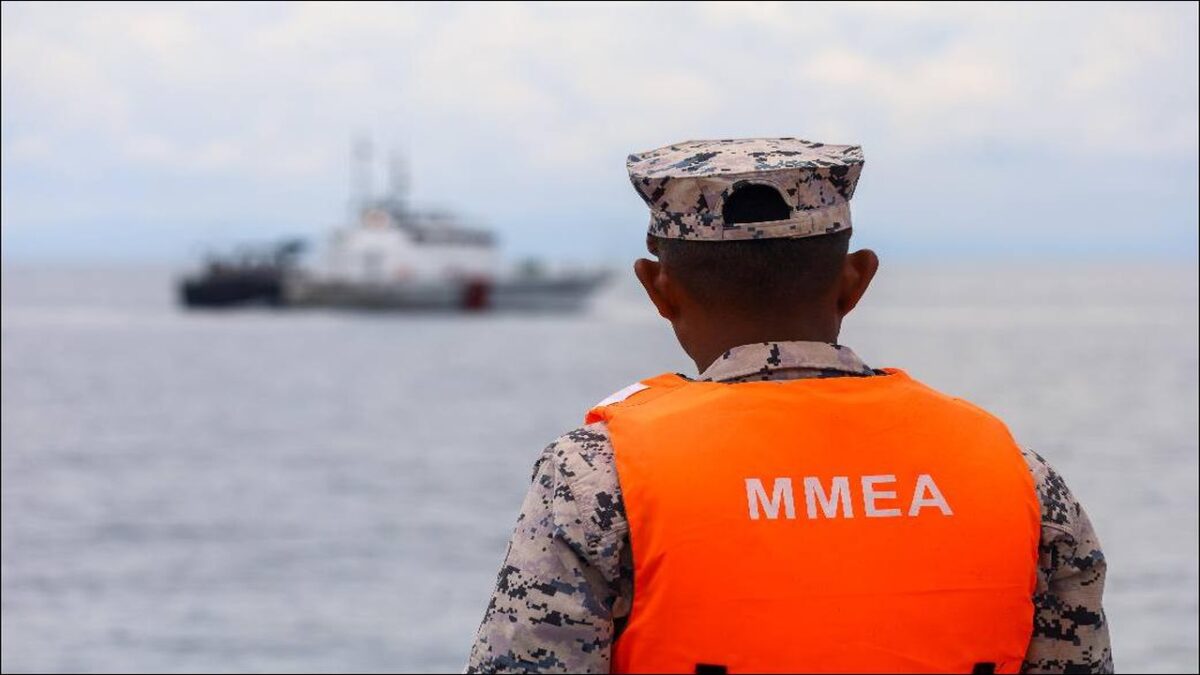
The swift action by Malaysia’s Maritime Enforcement Agency (MMEA) reflects a growing global trend towards tighter scrutiny of shipping activities. Such incidents, while seemingly isolated, carry significant implications for the detained vessel, its crew, the operating company, and the broader shipping industry, emphasizing the intricate web of maritime governance that governs the seas. Understanding the context, legal framework, and preventative measures is crucial for all stakeholders navigating the complex world of international shipping.
The Incident Unveiled: A Closer Look at the Tanker Detention
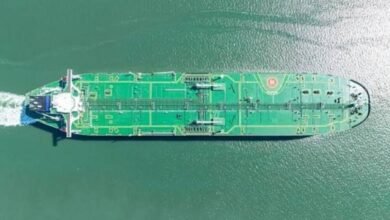
On July 23, during a routine patrol by the MMEA, a tanker was intercepted approximately 8.8 nautical miles southwest of Sekinchan. The vessel’s presence in an undesignated area without the requisite permissions raised immediate red flags for the patrolling officers. This proactive approach by the Malaysian authority is characteristic of their enhanced surveillance and enforcement strategies designed to deter illegal activities and ensure shipping compliance in their strategic waters.
Further investigation revealed that the vessel was manned by a Vietnamese captain and a crew of 13, comprising 12 Vietnamese nationals and one Myanmar national. All crew members were reported to possess valid travel documents, indicating that the alleged offense was not related to human trafficking or illegal immigration but rather a breach of maritime operational protocols. This distinction is important as it focuses the investigation on the vessel’s conduct and the master’s adherence to regulatory requirements.
Crucially, the ship’s captain was unable to produce an anchoring permit issued by the Malaysian Marine Department. This specific permit is a mandatory document for vessels intending to anchor in Malaysian waters outside of designated port areas, designed to manage maritime traffic, prevent environmental damage, and maintain maritime security. The absence of this permit formed the basis of the alleged offense under the Merchant Shipping Ordinance 1952, a cornerstone of Malaysian maritime law.
Following the discovery, a detention order was promptly issued for the tanker, effectively halting its operations and movement. Both the master and the chief engineer have been requested to assist with the ongoing investigation, a standard procedure in such vessel detentions. This process aims to establish the facts surrounding the unauthorized anchoring and determine the appropriate legal action against those responsible, underscoring the seriousness with which such infringements are treated.
Understanding Malaysia’s Maritime Enforcement Agency (MMEA) Role
The MMEA, often referred to as the Malaysian Coast Guard, is the primary federal agency responsible for safeguarding Malaysia’s vast maritime interests. Its broad mandate includes ensuring maritime safety, environmental protection, and the enforcement of all national and international maritime laws within Malaysian waters. The agency plays a pivotal role in maintaining order and security across a diverse and economically vital maritime domain, a crucial aspect of national sovereignty.
Operating across Malaysia’s exclusive economic zone (EEZ) and territorial waters, the MMEA conducts routine patrols, surveillance operations, and rapid response interventions. Their activities encompass combating illegal fishing, preventing piracy, conducting search and rescue missions, and, as demonstrated by this incident, enforcing shipping regulations pertaining to vessel movement and anchoring protocols. This comprehensive approach ensures that Malaysia’s marine resources are protected and its sea lanes remain safe for legitimate trade.
Through its diligent efforts, the MMEA acts as a vital component of global maritime security, working in tandem with international partners and adhering to conventions such as the United Nations Convention on the Law of the Sea (UNCLOS). Their proactive enforcement, including stringent port state control inspections and vigilant monitoring, contributes significantly to regional stability and the prevention of maritime incidents that could have far-reaching economic and environmental consequences. The detention of this tanker is a testament to their unwavering commitment.
The agency’s capability to detect and respond to infractions like unauthorized anchoring underscores the importance of strong national maritime enforcement capabilities. By upholding national laws and international standards, the MMEA sends a clear message to all vessels traversing Malaysian waters: compliance is not optional but a fundamental requirement for legal and safe maritime operations. This vigilance helps to foster a culture of adherence among the shipping community.
The Legal Ramifications: Merchant Shipping Ordinance 1952
The Merchant Shipping Ordinance 1952 (MSO 1952) stands as a foundational piece of Malaysian maritime law. This comprehensive legislation governs a wide array of aspects related to shipping, including vessel registration, crew certification, maritime safety standards, pollution prevention, and, critically, specific requirements for vessel operations within Malaysian territorial waters. Its provisions are designed to ensure orderly navigation and safeguard national interests.
Under MSO 1952, obtaining an anchoring permit from the Malaysian Marine Department is a non-negotiable requirement for vessels wishing to anchor outside of gazetted port areas. This permit system is in place for several crucial reasons: to prevent vessels from obstructing shipping channels, to avoid damage to underwater infrastructure such as cables and pipelines, to protect sensitive marine ecosystems from indiscriminate anchoring, and to maintain overall maritime security against potential threats. It’s a key tool for maritime governance.
Violations of MSO 1952, particularly concerning unauthorized anchoring, can lead to severe penalties. These may include substantial fines, the impoundment of the vessel (as seen in this tanker detention), and even legal prosecution of the master and owners. The legal framework ensures that there are significant deterrents against non-compliance, thereby reinforcing the importance of strict adherence to shipping regulations and responsible maritime practices by all operators.
The MSO 1952, while a national law, operates within the broader context of international maritime law and conventions. It aligns with principles enshrined in UNCLOS, which grants coastal states sovereign rights over their territorial waters, including the right to regulate navigation and enforce national laws. This incident exemplifies how national legal frameworks are used to implement and enforce global standards for vessel compliance and environmental protection.
Broader Implications for the Shipping Industry and Vessel Owners
For the shipping company operating the detained tanker, the implications extend far beyond the immediate legal investigation. A vessel detention invariably leads to significant operational delays, which can result in substantial financial losses due to missed schedules, penalties from charterers (demurrage), and increased operational costs. The economic ripple effect can be considerable, impacting supply chains and profitability within the competitive shipping industry.
Furthermore, such incidents can severely damage a company’s reputation and standing within the global shipping community. Being associated with unauthorized anchoring or other regulatory breaches can lead to increased scrutiny from other port authorities, difficulties in securing future contracts, and a loss of trust among clients and partners. Maintaining a clean record of shipping compliance is paramount in an industry that relies heavily on reliability and adherence to strict standards.
This incident serves as a critical reminder for all vessel owners and operators about the absolute necessity of rigorous due diligence. It underscores the responsibility to ensure that masters and crews are not only adequately trained but also fully informed about the specific maritime rules and permit requirements of every jurisdiction their vessels enter. Ignorance of the law is rarely an acceptable defense in maritime enforcement cases.
In an increasingly regulated and interconnected world, the availability and utilization of up-to-date maritime information are crucial. Shipping companies must invest in robust systems for voyage planning, real-time tracking, and accessing the latest port state control advisories and national shipping ordinances. Relying on outdated information or neglecting pre-arrival checks significantly elevates the risk of costly vessel detentions and other penalties.
Strategies for Ensuring Maritime Compliance and Preventing Detentions
To proactively avoid incidents like the tanker detention in Malaysian waters, vessel operators must adopt a comprehensive approach to maritime compliance. This begins with meticulous voyage planning, which must include a thorough review of all relevant maritime regulations, designated anchoring zones, and specific permit requirements for each port call or transit through national waters. Foresight and preparation are key to lawful vessel operations.
Central to effective compliance is robust onboard documentation and record-keeping. All essential permits, licenses, vessel certificates, and crew certifications must be current, valid, and readily available for inspection by maritime authorities at any given moment. Digitalization of documents, where accepted, can also streamline this process, but the ultimate responsibility lies in ensuring their legitimacy and accessibility.
Continuous professional development for masters and chief engineers is another indispensable strategy. Regular training sessions focused on international maritime law, local shipping ordinances, environmental protection protocols, and emergency procedures are vital. An informed and well-trained crew is the first line of defense against regulatory breaches and potential vessel detentions, ensuring adherence to best practices in maritime safety.
Furthermore, proactive engagement with local port agents and maritime authorities can significantly mitigate risks. Building clear lines of communication and seeking clarification on any ambiguous maritime rules or procedures well in advance of arrival can prevent misunderstandings and operational hiccups. This collaborative approach fosters transparency and supports seamless shipping compliance across diverse jurisdictions.
In conclusion, the tanker detention by the Malaysian authority for unauthorized anchoring serves as a potent reminder of the unwavering commitment to upholding maritime law and ensuring shipping compliance in Southeast Asia. This incident underscores the shared responsibility of all shipping stakeholders—from vessel owners and operators to masters and crew—in maintaining a safe, secure, and regulated global maritime environment. Adherence to maritime regulations is not merely a legal obligation but a fundamental requirement for sustainable maritime operations, contributing to environmental protection, economic stability, and the overall integrity of the shipping industry. Staying informed and compliant remains the most effective strategy for successful navigation of the world’s oceans.