

Major Traders Seek US Licenses to Rehabilitate Sanctioned Tankers
Trafigura, Vitol, and ADNOC are in talks with the US to return blacklisted tankers to the fleet to ease record freight rates and lower oil prices.
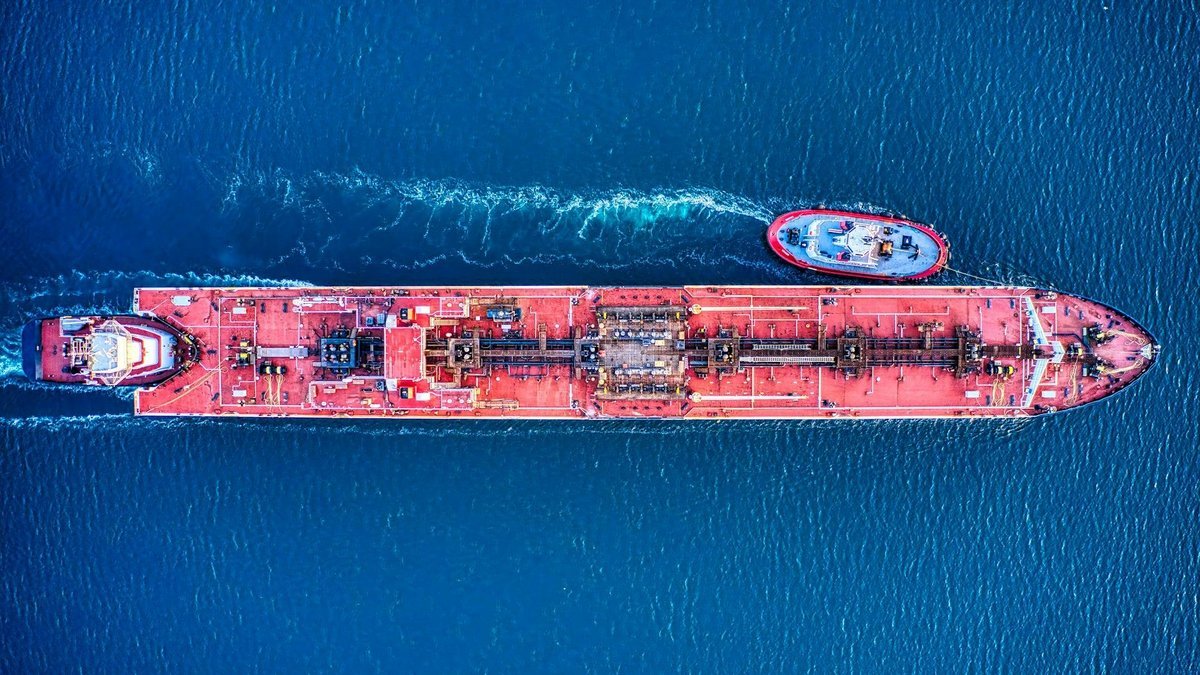
Major commodity traders and national oil companies are in active negotiations with the U.S. government to return sanctioned tankers to the legitimate global fleet. The move is a pragmatic attempt to expand shipping capacity and suppress soaring energy prices following the supply disruptions caused by the conflict between the U.S., Israel, and Iran.
Trafigura Group, Vitol Group, Mercuria Energy Group Ltd., and Abu Dhabi National Oil Co. (ADNOC) are among the firms seeking licenses from the U.S. Treasury to purchase or lease blacklisted vessels. The discussions currently cover approximately 50 ships out of the roughly 1,600 vessels currently under U.S. sanctions. The Trump administration is reportedly reviewing these applications on a case-by-case basis as part of a broader strategy to convert “dark tankers” into legitimate, regulated assets.
Strategic Displacement of Tonnage
The primary driver for this initiative is the extreme volatility in the freight market. Freight rates for U.S. oil exports to Asia peaked at nearly $40 per barrel in October, an eight-fold increase from the previous year. While rates have recently softened, they remain at historical highs, keeping global oil prices near the $100-per-barrel mark.
The operational significance of this rehabilitation program lies in fleet optimization. Because many sanctioned vessels are older and may not meet the stringent vetting standards required for long-haul international voyages, charterers intend to deploy them on short-distance regional routes, such as U.S. Gulf to Caribbean or Latin American runs. This strategic displacement would free up modern, high-specification VLCCs to service the long-haul routes to Asia, effectively maximizing the efficiency of the compliant global fleet.
Regulatory and Safety Hurdles
U.S. Energy Secretary Chris Wright has indicated that the administration is working with investors to refurbish these idled ships, ensuring they meet safety standards before re-entering non-sanctioned trades. This process would provide a pathway for vessels like the Skipper, which has been idled off the Texas coast for nearly a year, to return to commercial service under U.S. oversight.
However, the scope of these licenses remains limited to U.S. sanctions. Vessels targeted by the European Union or the United Kingdom for involvement in Russian or Iranian trade may still face significant operational restrictions in those jurisdictions. Furthermore, the U.S. Treasury must balance the need for increased capacity against the risk of providing liquidity to sanctioned entities or bad actors.
The push to reintegrate these vessels follows significant political pressure on the administration after high energy costs contributed to substantial losses for the Republican Party in recent midterm elections. While the Treasury has not finalized any decisions, the issuance of specific licenses would mark a shift in sanctions enforcement, prioritizing market stabilization and maritime safety over total vessel isolation.
Source: gCaptain