

Maersk Implements New Dry Port Surcharges for Virochannagar
Maersk introduces new export and import dry port surcharges for Virochannagar, India, affecting both carrier and shipper-owned equipment.
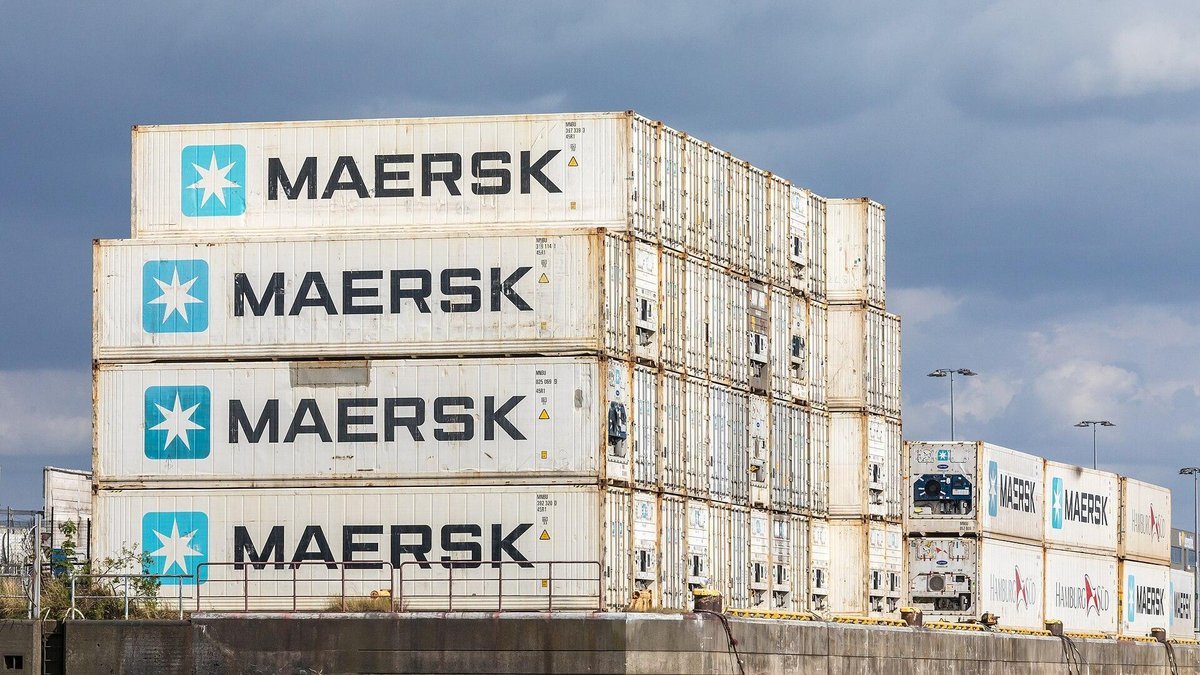
Maersk is introducing new export and import dry port surcharges for shipments moving through Virochannagar, India, signaling a formalization of cost recovery at this inland hub. The new tariffs apply to cargo moving between the Virochannagar facility and worldwide destinations.
The rollout is scheduled in two phases. For non-regulated countries, the charges took effect on 1 November 2026. For regulated countries, the implementation date is set for 29 November 2026.
Equipment and Ownership Distinctions
A critical operational detail in the new tariff structure is the treatment of container ownership. The export Dry Port Surcharge (DPS) applies exclusively to carrier-owned equipment. However, the import Dry Port Surcharge (DPI) will be levied on both carrier-owned and shipper-owned containers (SOC).
This distinction suggests that Maersk is addressing landside operational or infrastructure costs on the import leg that remain constant regardless of who provides the container. For logistics managers, this means that the common strategy of using shipper-owned containers to mitigate carrier-imposed equipment fees will not provide an exemption from the new import levy at this location.
Impact on Regional Logistics
The introduction of these surcharges reflects the rising costs of inland connectivity within India’s industrial corridors. Virochannagar serves as a significant inland container depot for the Gujarat region, and these additional fees will directly influence the total landed cost for importers and the pricing structure for regional exporters.
The move follows a broader industry trend where carriers are increasingly unbundling inland costs from ocean freight to protect margins against fluctuating landside expenses. Shippers moving cargo through the Gujarat manufacturing belt will need to account for these fixed additions to their freight spend starting this month.
Source: Container News