

LA and Long Beach Strike Threat Recedes as Security Talks Extend
ILWU Local 26 and PMA extend negotiations for security workers, avoiding a shutdown at the US's busiest container port complex during record volumes.
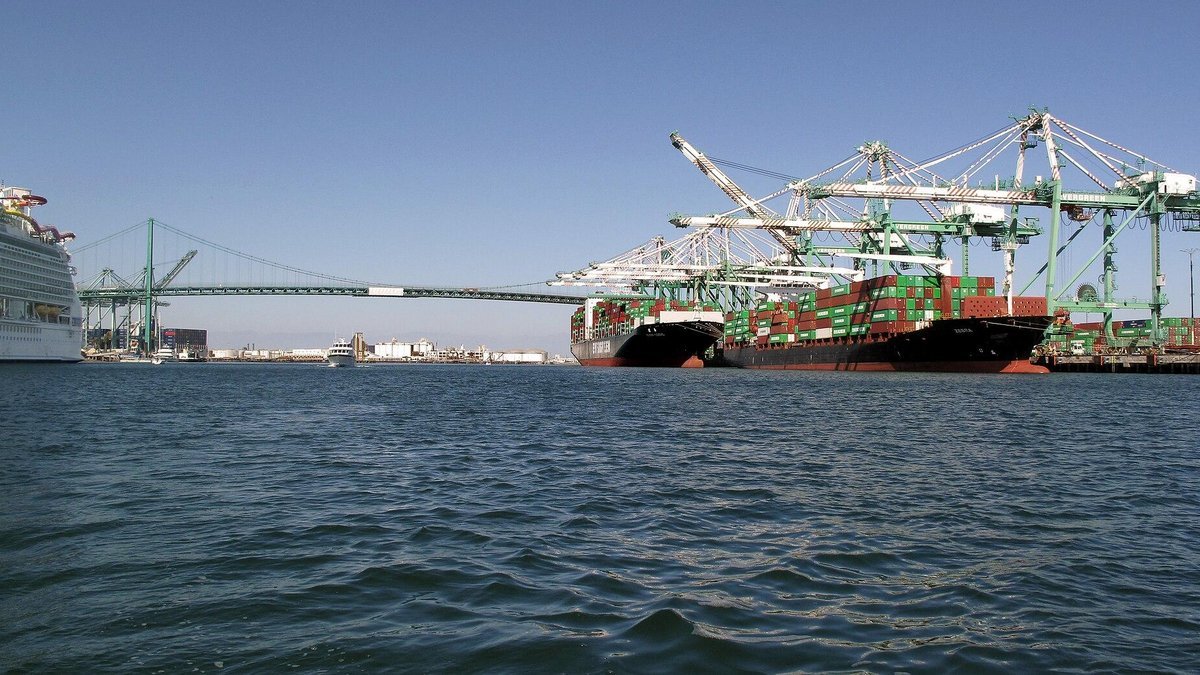
Negotiations between security workers and employers at the ports of Los Angeles and Long Beach have been extended to November 20, narrowly avoiding a strike that threatened to paralyze the nation’s primary gateway for transpacific trade during a period of record cargo volumes.
The Pacific Maritime Association (PMA), representing terminal operators and ocean carriers, confirmed the two-week extension with International Longshore and Warehouse Union (ILWU) Local 26. This marks the third extension in recent weeks for the 250 security watchmen whose contract expired in July 2025. While the bargaining unit is small, its potential to disrupt the San Pedro Bay complex is absolute.
The Leverage of Solidarity
The primary risk to maritime operations is not the absence of security personnel alone, but the high probability of secondary industrial action. The PMA has warned that ILWU dockworkers and marine clerks, who operate under separate contracts, are expected to honor Local 26 picket lines in the event of a walkout. This solidarity effectively gives a unit of 250 workers the power to shutter terminals handling one-third of the United States’ seaborne containerized goods.
The scale of the potential disruption is asymmetric across the complex. According to the PMA, a strike would impact approximately 85% of cargo movement at the Port of Long Beach and one-third of the volume at the Port of Los Angeles. This comes as the ports report record throughput, driven in part by the infrastructure requirements of the ongoing artificial intelligence boom.
Compounding Logistical Constraints
The timing of the labor dispute coincides with a significant landside bottleneck. The most recent strike deadline aligned with the scheduled closure of the Vincent Thomas Bridge for a year-long repair project. The bridge serves as a critical artery connecting the port complex to major highway networks.
For cargo interests and drayage operators, the convergence of labor instability and major infrastructure maintenance creates a volatile operational environment. Any terminal-level disruption during the bridge closure would likely lead to immediate and severe congestion, as diverted truck traffic competes for limited alternative routes while vessel schedules remain at peak intensity.
Port of Long Beach CEO Noel Hacegaba indicated that elevated container volumes are expected to persist through at least the first quarter of 2027. With federal mediators already involved in the Local 26 talks, the next two weeks will be decisive in determining whether the Southern California gateway can maintain fluidity during its busiest period on record.
Source: gCaptain