

KCC Secures Record Three-Year Cleanbu Charter at Market Peak
Klaveness Combination Carriers fixes a Cleanbu vessel on a record-rate three-year charter, capitalizing on a strong product tanker market.
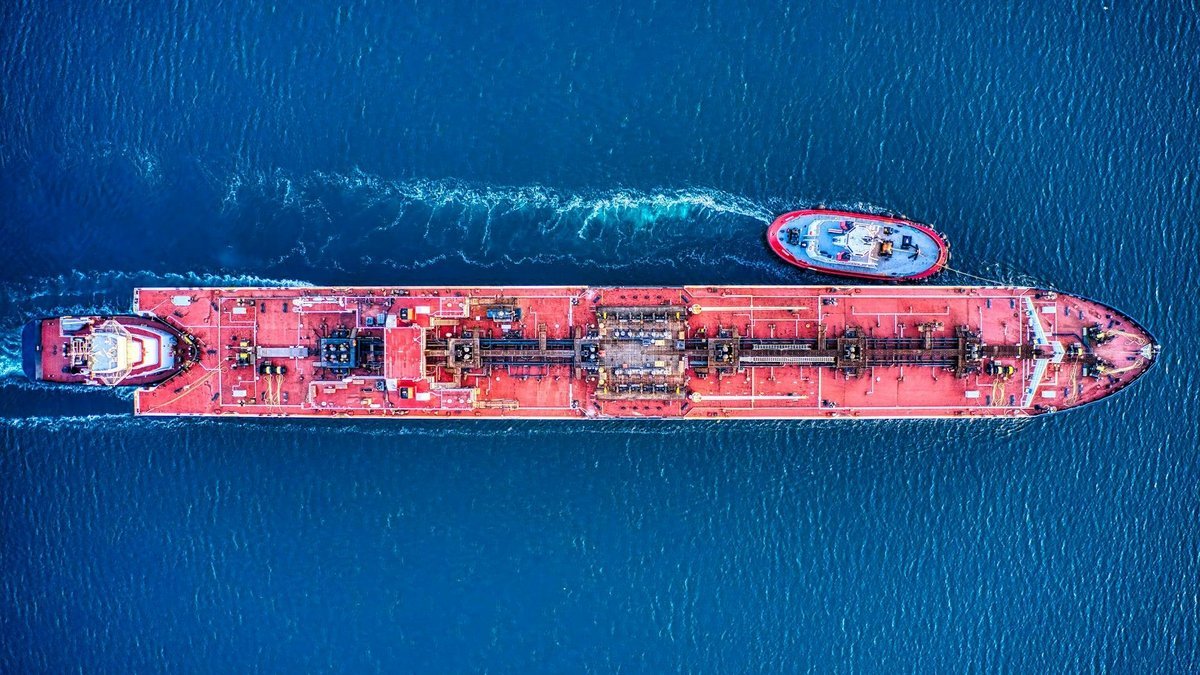
Klaveness Combination Carriers (KCC) has fixed one of its Cleanbu vessels on a three-year time charter at a record-breaking rate, marking the completion of the company’s current term employment program.
The Oslo-listed owner confirmed the contract features a front-loaded rate structure, with the highest earnings concentrated in the first year. While specific dollar amounts and the charterer’s identity remain confidential, KCC stated the average daily rate over the three-year period exceeds any previous annual average time charter rate achieved by its Cleanbu fleet.
Strategic Hedging Against Market Volatility
The decision to lock in long-term employment at this juncture suggests KCC is moving to de-risk its earnings while product tanker markets remain at historical highs. By utilizing a front-loaded structure, the company captures immediate peak-market premiums while securing a floor for the next two years, even if the wider tanker market begins to soften.
This fixture represents a tactical shift for a fleet designed specifically for operational flexibility. While the Cleanbu concept is built on the ability to switch between dry and liquid bulk cargoes to eliminate ballast legs, the current strength of the tanker sector has made dedicated time charter employment more attractive than the spot combination trade for a portion of the fleet.
This is the second significant long-term fixture for the Cleanbu fleet this year. In March, KCC secured a two-year charter for the 2021-built Bass with a major energy company. With two vessels now committed to multi-year charters, KCC will continue to operate its remaining six Cleanbu vessels in the combination trade.
KCC currently controls a fleet of 19 combination carriers, including 11 Cabu and eight Cleanbu vessels. The latest charter commences immediately, further insulating the company’s balance sheet from potential fluctuations in the dry bulk sector by increasing its fixed-rate tanker exposure.
Source: Splash247