

Drifting Tanker Off Bulgaria Highlights Black Sea Salvage Risks
A tanker carrying 11,000 tons of sunflower oil is drifting off Shabla after a towing accident, highlighting Black Sea operational hazards.
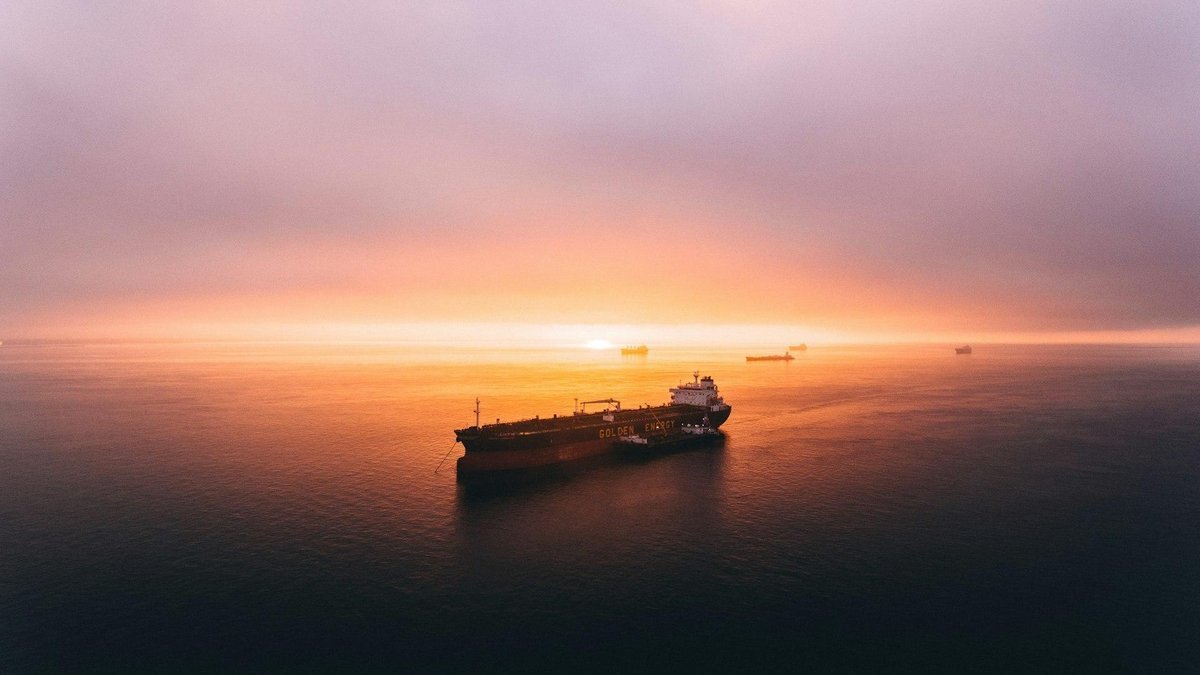
A tanker previously damaged in an attack off Odessa is currently drifting off the coast of Shabla, Bulgaria, after a towing operation from Romania failed in heavy weather. The incident, which resulted in a collision between a tug and the vessel, underscores the compounding safety risks facing commercial shipping in the Black Sea as war-damaged tonnage is moved through volatile winter conditions.
The tanker, reportedly carrying 11,000 tons of sunflower oil, was being towed from the Romanian port of Constanța toward Turkey by two tugboats. During the transit, adverse weather caused the towline to part. While attempting to restore the connection, one of the tugs collided with the tanker, prompting a distress call at approximately 04:20 on November 4.
Search and Rescue Challenges
Romanian authorities launched a search and rescue operation under what the Ministry of Internal Affairs described as particularly difficult conditions, with heavy winds and rough seas preventing aerial support. Three crew members from the damaged tug were evacuated to a Dutch-flagged vessel and transported to the port of Mangalia. However, four other crew members refused evacuation, and the damaged tug has since been moved to an anchorage.
The vessel is now drifting in the Shabla region of northeastern Bulgaria. Bulgarian maritime authorities are reportedly in contact with the shipowner to determine the next steps for the vessel, which remains a navigational hazard in a region already strained by military activity and floating mines.
Operational and Legal Implications
This incident highlights a critical second-order effect of the ongoing conflict: the high operational failure rate of dead-ship tows involving vessels with compromised structural integrity or systems. The transition from a war casualty to a drifting environmental threat demonstrates that the risk to Black Sea littoral states persists long after the initial kinetic attack.
Furthermore, the political response in Sofia suggests a growing concern over the limits of regional intervention. Bulgarian Prime Minister Rumen Radev recently noted that while the country is taking international initiatives to address shipping attacks, its ability to act outside territorial waters is strictly constrained by international law. This legal vacuum, combined with the technical difficulty of salvaging damaged ships in the Black Sea winter season, creates a persistent risk for insurers and salvors operating in the region.
Source: Shipping Telegraph