

Iran Rejects Russian Mediation as Strait of Hormuz Closure Continues
Iran has turned down a Russian offer to mediate the U.S. conflict, opting to keep the Strait of Hormuz closed to leverage rising oil prices.
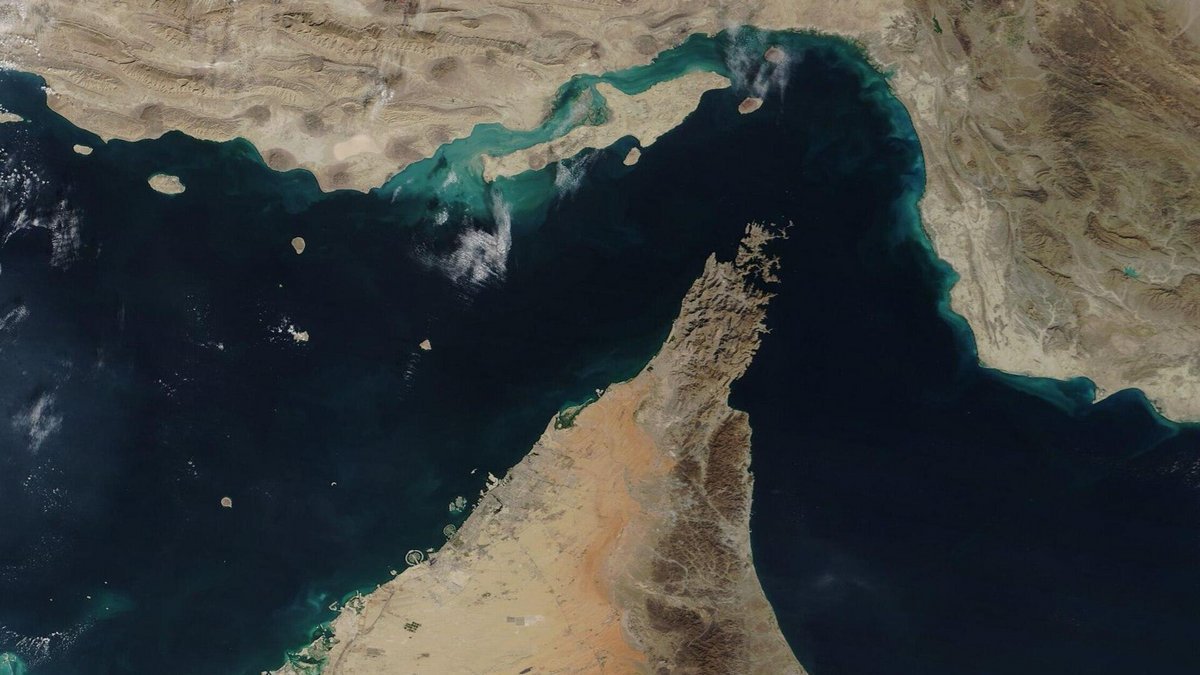
Iran has formally declined a Russian offer to mediate its ongoing conflict with the United States, signaling that Tehran intends to maintain the closure of the Strait of Hormuz as it waits for rising energy prices to weaken American diplomatic resolve. The decision, communicated by Mohsen Rezaei, head of Iran’s Supreme National Security Council, to Russian President Vladimir Putin, underscores a strategy of using global oil market volatility as a primary negotiating lever.
The rejection follows an unusual diplomatic overture in which American envoy Steve Witkoff reportedly encouraged Russian involvement to break the deadlock. Despite Russia’s role as a key defense partner and provider of satellite intelligence to Iranian-backed forces, Tehran has opted to bypass third-party mediation. Iranian officials indicated that they expect the price of oil to become a heavier pressure point in the near future, potentially forcing the U.S. to accept Iranian terms to stabilize global markets.
Leveraging the Energy Chokepoint
For the maritime industry, the refusal to negotiate suggests a prolonged period of instability at the world’s most critical oil chokepoint. Iran has maintained that the Strait of Hormuz will remain closed until the full realization of seven specific conditions. While Brent crude prices dipped following the U.S. midterm elections, they have since rebounded toward the $100-per-barrel mark as the market prices in a long-term disruption to regional transit.
The strategic implication for shipowners and energy traders is that Tehran now views the tanker market’s distress not as a byproduct of conflict, but as its most effective tool for political extraction. By rejecting a friendly mediator like Russia, Iran is betting that the economic pain of sustained high energy prices will eventually outweigh the U.S. government’s appetite for continued hostilities, regardless of the operational risks to merchant shipping.
Intelligence and Operational Risks
The conflict remains underpinned by deep military cooperation between Moscow and Tehran. Russia continues to provide satellite data to improve the accuracy of drone and missile strikes against U.S. installations and assets in the Middle East. This dual role—acting as both a military enabler and a rejected mediator—highlights the complexity of the security environment for vessels operating in the periphery of the Persian Gulf.
As long as Tehran believes that public opinion in the West is sensitive to the price at the pump, the incentive to reopen the Strait remains low. This suggests that maritime security costs, including insurance premiums and private security requirements, will remain elevated for the foreseeable future as the standoff shifts from a military confrontation to a war of economic attrition.
Source: The Maritime Executive