Kamarajar Port to build Rs 4,288 crore terminal for mega-ships

India approves a 2 million TEU terminal at Kamarajar Port with an 18-metre draft to handle the world's largest container vessels.
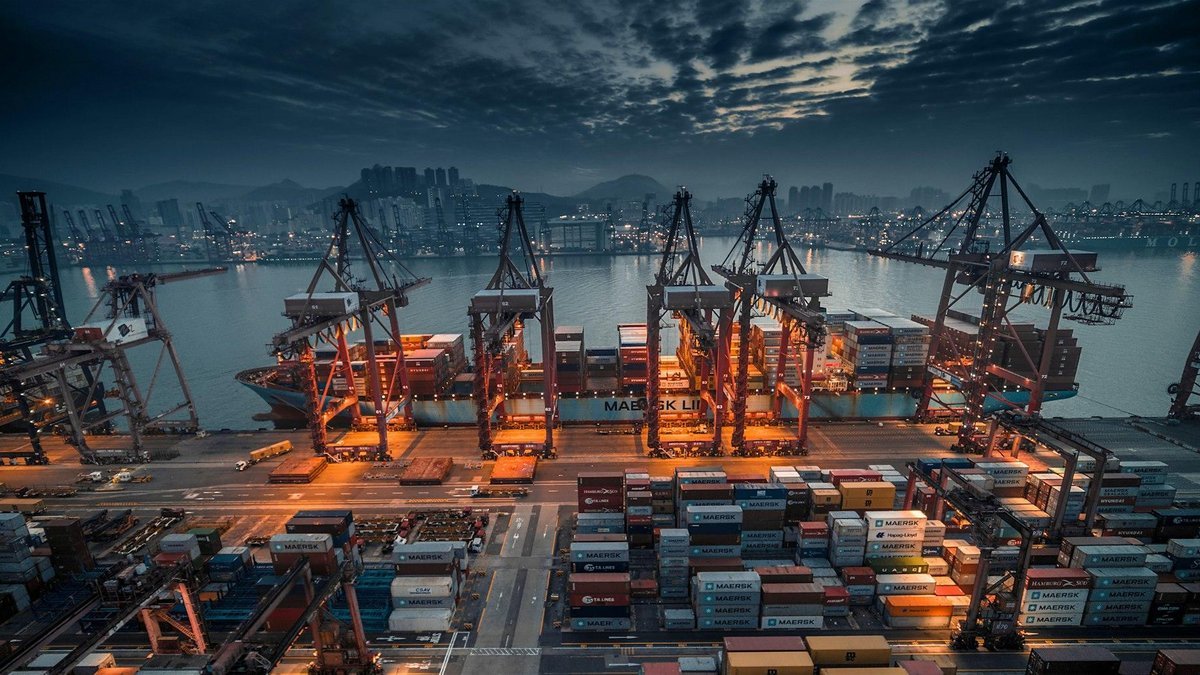
India’s Cabinet has approved a Rs 4,288.26 crore second container terminal at Kamarajar Port, a move designed to turn the East Coast gateway into a deep-water hub capable of handling the world’s largest boxships. The project aims to capture growing export-import volumes from the southern industrial hinterland while reducing the region’s reliance on foreign transshipment hubs.
The development follows a Public Private Partnership model on a Design, Build, Finance, Operate and Transfer basis. The selected concessionaire will fund the Rs 4,288.26 crore construction cost over a 40-year period, while Kamarajar Port Limited will spend an additional Rs 450 crore on dredging. The project will add 2.0 million Twenty-foot Equivalent Units of annual capacity, implemented in two phases of 1.1 million and 0.9 million TEUs respectively.
The terminal features a 900-metre-long berth and a design draft of 18 metres. This depth allows the port to accommodate ultra-large container vessels of up to 24,346 TEUs and 400 metres in length. Construction for Phase I is scheduled for completion within 24 months of the contract award, with the entire project reaching full operation by the 49th month.
Why it matters
The 18-metre draft is the most significant technical detail for mainline operators. By accommodating 24,000-TEU vessels, Kamarajar Port can facilitate direct calls that currently go to foreign deep-water hubs. For shipowners and charterers, this shift likely lowers feedering costs and reduces the complexity of the maritime logistics chain on India’s East Coast.
The expansion addresses an imminent capacity ceiling. Kamarajar Port’s existing terminal handled 0.7 million TEUs in the 2025–26 financial year, reaching 88% of its installed capacity. With the port’s container traffic growing at 9.9% annually—outpacing the national average of 7%—the facility would have faced severe congestion without this additional 2.0 million TEU buffer.
Cargo owners in the Chennai-Ennore industrial region, particularly in the automotive, electronics, and engineering sectors, gain a more efficient gateway. The project strengthens the port’s ability to serve manufacturing clusters across Tamil Nadu, Karnataka, and Andhra Pradesh. For the port itself, the move secures its revenue potential against regional competitors by offering the infrastructure required for the next generation of container shipping.
What to watch
The next step is the transparent global bidding process to select a concessionaire. The timeline for Phase I commercial operations depends on the Date of Award, making the bidding window the primary trigger for the 24-month construction countdown.