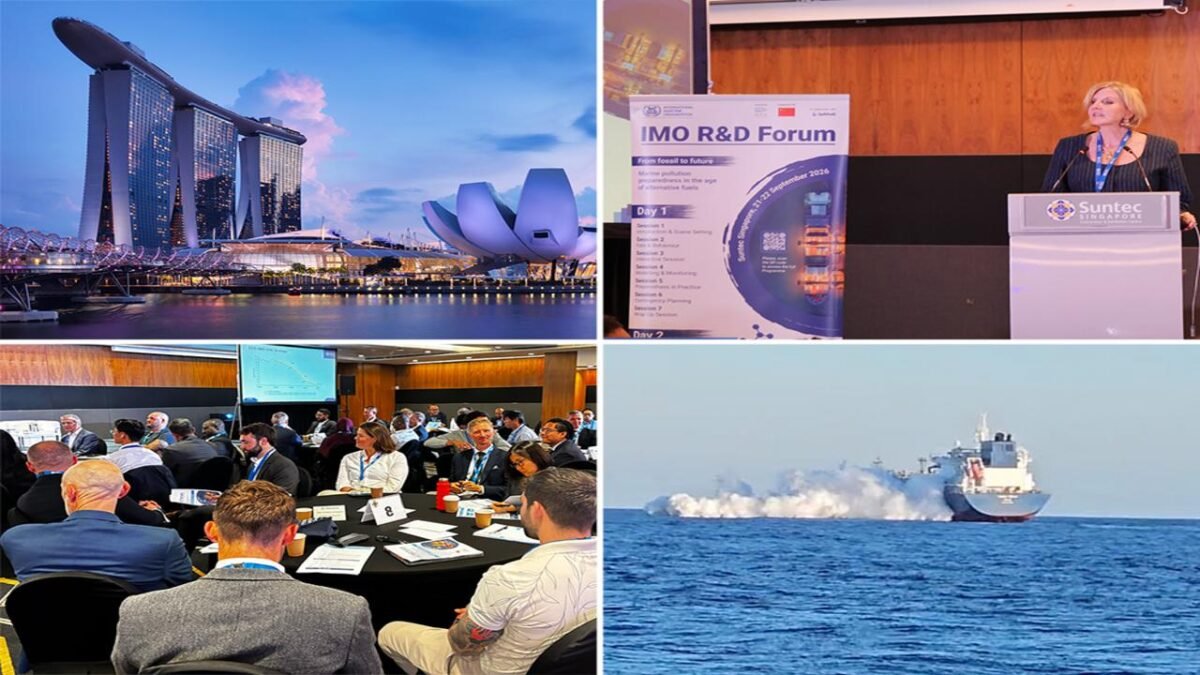
IMO Forum Spotlights Alternative Fuels Pollution Response | Mariner News
The IMO’s recent Research and Development Forum in Singapore underscored a critical shift in maritime incident preparedness, examining the profound pollution response challenges emerging from the industry’s growing adoption of alternative marine fuels. This signals an urgent need for revised strategies as the global fleet diversifies its energy sources.
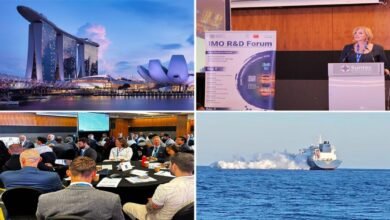
Held on September 21-22, the forum brought together regulators, scientists, industry representatives, and emergency responders to confront how the distinct properties of fuels like LNG, LPG, methanol, ammonia, hydrogen, biofuels, and e-fuels fundamentally alter spill behavior and necessitate specialized response protocols. This moves the industry beyond conventional oil spill paradigms.
The discussions, hosted by the Maritime and Port Authority of Singapore with support from China, delved into spill modelling, risk assessment, emergency response, and post-spill actions. A key implication is the impending operational burden on ports and emergency services globally, which must adapt to handle substances with vastly different characteristics, including flammability, toxicity, and dispersion patterns, often requiring specialized equipment and training.
Crucially, the forum highlighted significant knowledge gaps and stressed the imperative for closer cooperation between governments, industry, academia, and the scientific community. This emphasis on addressing deficiencies before major incidents occur suggests that current international frameworks and local capabilities are largely unprepared for incidents involving these emerging fuel types, driving a push for harmonized standards and significant investment.
The event concluded with a call for integrating research findings and operational experience, indicating that future regulatory guidance and best practices will be heavily informed by these ongoing dialogues to ensure robust, globally coordinated readiness.