

Cool Carriers takes delivery of world’s first gate rudder reefer

Cool Carriers takes delivery of Snow Land, using gate rudder technology to cut fuel use by 20% and CO2 intensity by 50%.
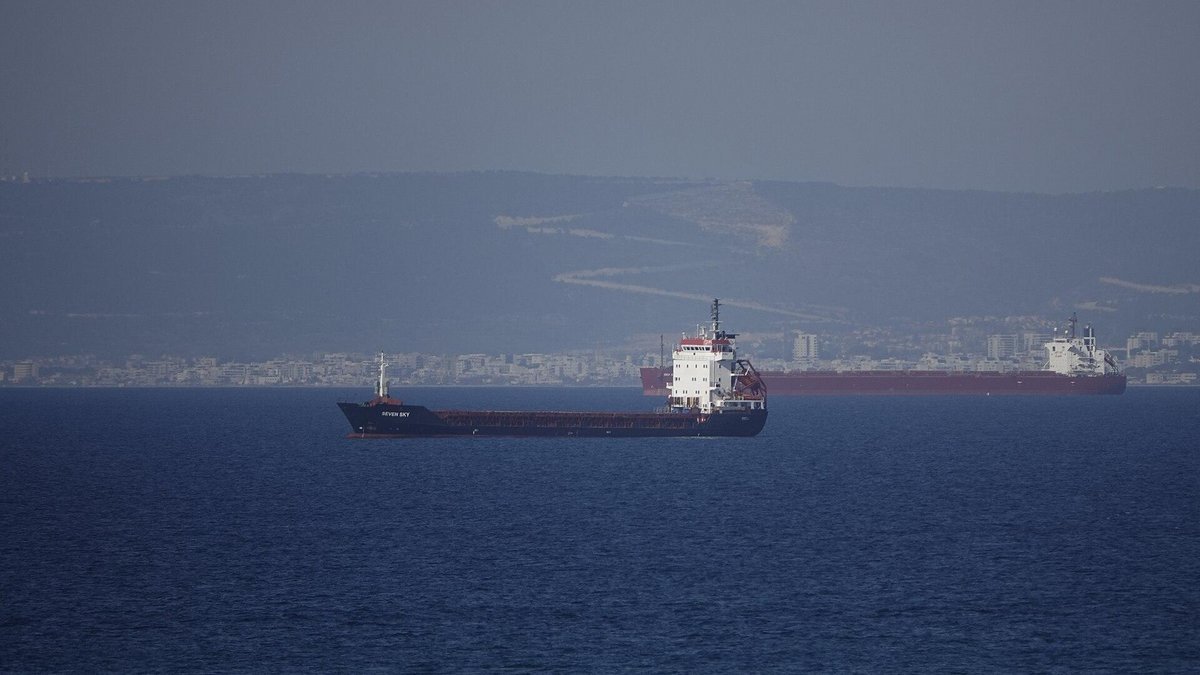
Cool Carriers has taken delivery of the world’s first specialized reefer fitted with a gate rudder, a move that promises to slash fuel costs by 20% and reset the competitive floor for the refrigerated trade.
Kitanihon Shipbuilding delivered the 162.5-meter Snow Land on November 12, 2026. The ice-class vessel is the third of seven Snow-class newbuildings in the company’s fleet renewal program. Four more sister ships will join the fleet over the next two years.
The Gate Rudder System (GRS) replaces the traditional single rudder behind the propeller with two symmetrical foil rudders positioned on either side. According to technology licensee Wärtsilä, this configuration generates additional forward thrust, allowing the main engine to maintain speed while burning less fuel. Kitanihon Shipbuilding reports the design achieves a CO2 intensity 50% below the reference level for this vessel type under the Energy Efficiency Design Index (EEDI).
The vessel is built for high-speed, flexible operations, maintaining 18 knots while carrying 660,738 cubic feet of cargo. Eight cooling zones allow the ship to carry fresh fruit and frozen goods at different temperatures, ranging from -25°C to +15°C, on a single voyage. It also carries up to 168 forty-foot refrigerated containers on deck.
Why it matters
The 20% fuel saving reported for the gate rudder system gives Cool Carriers a massive margin advantage over older tonnage. In the specialized reefer segment, where high service speeds are required to maintain the cold chain, bunker costs are the primary drain on earnings. This technology allows Cool Carriers to protect its margins while maintaining the 18-knot speeds that charterers demand.
For cargo owners, the 50% reduction in CO2 intensity is the most critical figure. As food traders face increasing pressure to reduce Scope 3 emissions, the Snow Land becomes a preferred asset for blue-chip fruit exporters. This efficiency likely secures the vessel’s employment even if the wider reefer market softens.
The operational flexibility of eight cooling zones plus 168 deck slots means this ship is rarely forced to sail with empty space. By combining small-batch fresh goods with bulk frozen cargo and containerized overflow, Cool Carriers maximizes revenue per voyage in a way that single-temperature or pure-container ships cannot match. The finer control provided by the gate rudder during berthing further reduces the risk of port delays.
What to watch
The delivery of the remaining four Snow-class vessels over the next 24 months will provide the data needed to confirm if the 20% fuel savings hold up across different sea states and loading conditions.
Source: MarineLink