

Siemens Charging Tower Fire Forces Norwegian Ferries onto Biofuel
A fire at a Norwegian electric ferry charging station exposes risks in shore-side battery infrastructure and forces a shift to biofuel.
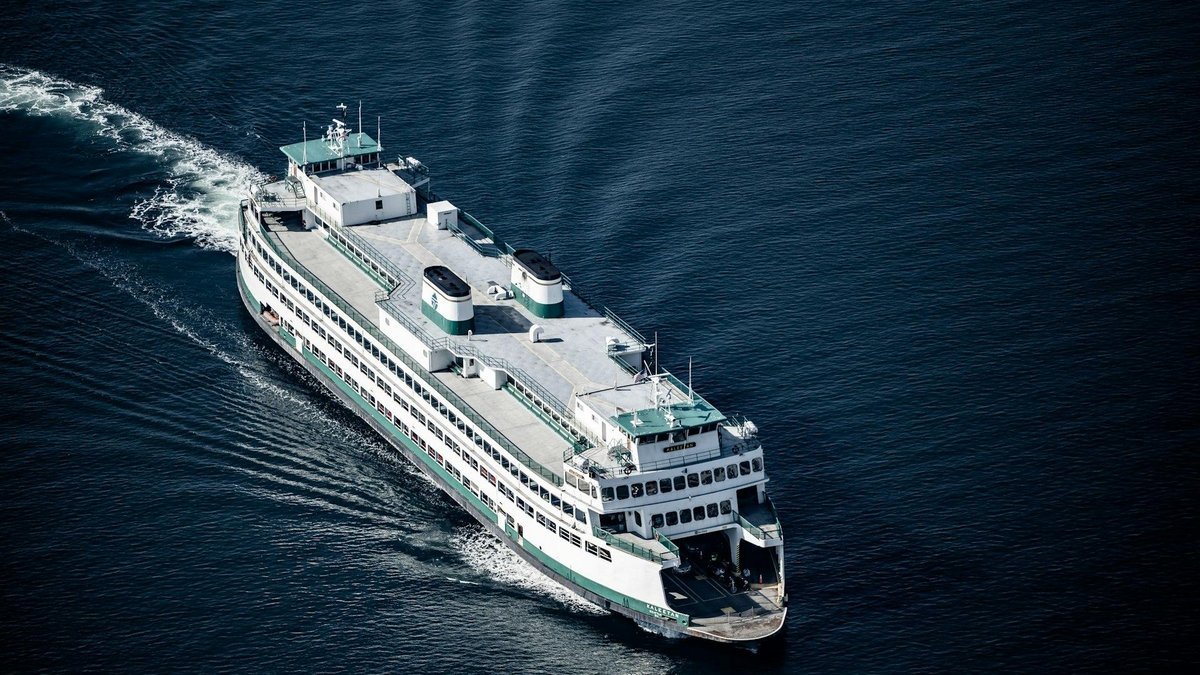
A fire in a Siemens charging tower at Gjermundshamn has forced Norwegian ferry operators to revert to biofuel, exposing the operational fragility of shore-side battery infrastructure. The blaze at the Kvinnherad terminal on Tuesday morning disrupted the Gjermundshamn-Varaldsoy-Arsnes route and required a moored vessel to flee into open water to avoid the heat.
The fire broke out at approximately 0200 hours on September 17th within the 11,000-volt charging station. The ferry Sildafjord was alongside at the time but was not actively charging. After being alerted to the flames by the crew of the vessel Laerdal, the master of the Sildafjord moved the ship into the fjord to ensure safety. Local firefighters were delayed in accessing the site, as they had to wait for the power supply to be cut before breaching security gates to reach the base of the tower.
The affected system is a Siemens FerryCHARGER assembly, which utilizes a closed tower design and an automated pantograph arm. Crucially, the tower contains its own lithium-ion battery banks. These batteries act as a buffer, drawing power from the grid when idle and discharging it rapidly into vessels to manage peak loads. While an investigation is underway, officials noted that maintenance work was performed on the tower the day before the incident.
Why it matters
This incident shifts the safety conversation from the fire risk of electric vessels to the vulnerability of the charging infrastructure itself. For shipowners and port operators, the presence of large lithium-ion battery banks in shore-side towers introduces a concentrated fire risk at the pier. If a charging tower becomes a liability, the entire efficiency of an electric route is compromised, regardless of the vessel’s condition.
The immediate switch to biofuel for the hybrid ferries on the route reveals the current limits of maritime electrification. Without a functioning charging tower, zero-emission operations ceased instantly. This demonstrates the necessity for owners to maintain dual-fuel capabilities or significant liquid fuel reserves to prevent total service cancellation when shore-side technology fails.
Insurers and terminal operators will likely scrutinize the maintenance protocols for these high-voltage systems. The fact that work was carried out just hours before the fire suggests that even routine service on automated charging arms and battery buffers carries high operational stakes. For crews, the event proves that being alongside no longer equates to being in a low-risk environment when high-capacity battery infrastructure is involved.
What to watch
The investigation will determine if the previous day’s maintenance work triggered the fire or if the fault lay within the Siemens FerryCHARGER’s internal battery banks. The findings will dictate whether technical modifications are required for similar pantograph charging towers across the Norwegian ferry network.
Source: The Maritime Executive