

Shipping Groups Demand Single IMO Carbon Rule to Unlock Investment
Nine major maritime associations warn that regulatory uncertainty and regional rules could stall fleet renewal and decarbonization investments.
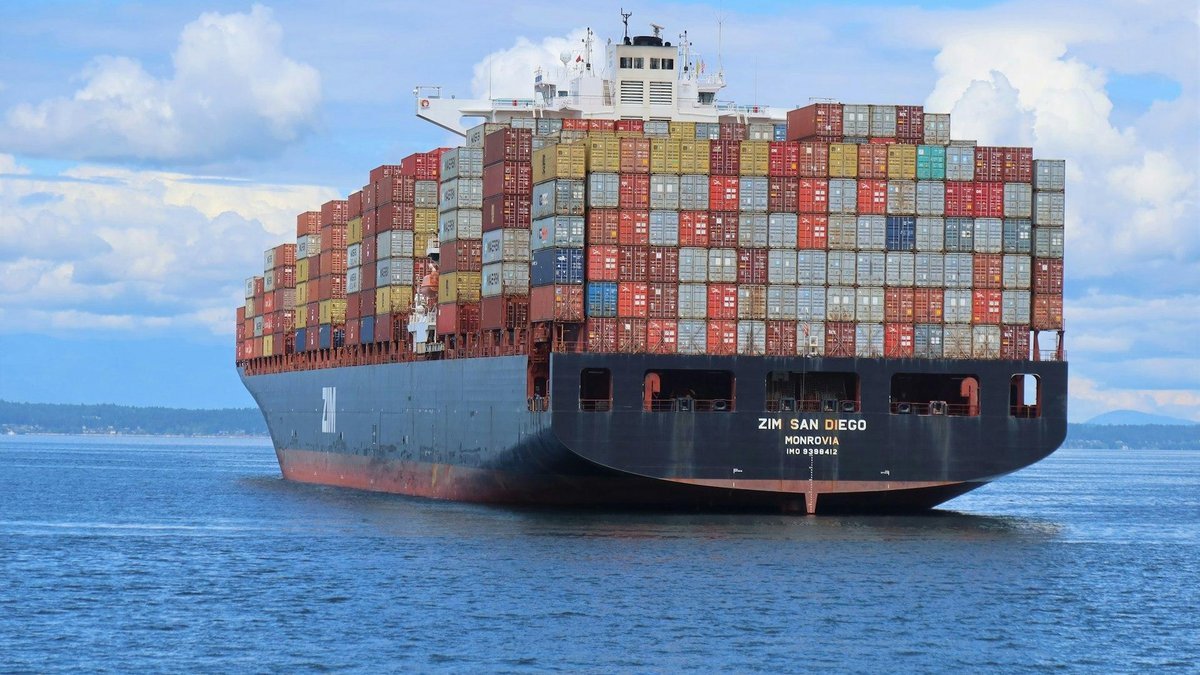
Nine global shipping associations are demanding the International Maritime Organization (IMO) finalize a single global greenhouse gas framework by late 2026 to prevent a patchwork of regional regulations from stalling fleet renewal and fuel investment.
BIMCO, ICS, the World Shipping Council, and six other major groups issued the joint appeal ahead of the Marine Environment Protection Committee (MEPC 85) meeting, scheduled for November 30 to December 4, 2026, in London. The organizations represent the commercial fleet across almost every maritime sector, including tankers, bulkers, containers, and ferries.
The associations are calling for a framework that applies equally to all ships regardless of flag or trade, cautioning that fragmented national or regional rules could impose duplicate compliance requirements or multiple charges on the same emissions. While reaffirming support for the IMO target of net-zero emissions by or around 2050, the groups stressed that regulations must be practical and economically achievable.
Shipowners have already invested billions of dollars in alternative-fuel-capable vessels, but the statement notes that zero and near-zero GHG fuels remain commercially unavailable for most of the existing fleet. The organizations urged IMO member states to develop a technology-neutral framework supported by clear fuel certification and lifecycle emissions assessments.
Why it matters
For shipowners and charterers, the lack of a single global standard creates a high-stakes guessing game. While owners are ordering dual-fuel ships today, they cannot accurately forecast the long-term operating costs without a confirmed global carbon price or fuel standard. This uncertainty risks a slowdown in fleet renewal as companies wait for a clear signal before committing more capital.
A fragmented regulatory environment forces operators to manage multiple compliance regimes. If the IMO fails to reach an agreement, owners face the prospect of being double-charged for emissions by different jurisdictions. The demand for a system that rewards verified emissions reductions suggests the industry is looking for a mechanism to bridge the price gap between conventional and green fuels without being penalized by overlapping taxes.
The push for a technology-neutral framework is a defensive move against stranded assets. By demanding clear technical guidance and fuel certification, the associations are trying to ensure that the billions already spent on alternative-fuel-capable ships are not wasted if the final regulations favor a specific fuel type that is not yet available at scale.
What to watch
The Marine Environment Protection Committee (MEPC 85) will meet in London from November 30 to December 4, 2026, to attempt to reach a final agreement on these technical and economic measures.
Source: MarineLink