

Shipping lobby demands global GHG rules to stop regulatory fragmentation
Nine major shipping bodies call for a unified IMO carbon framework to avoid regional compliance costs and support existing fleet transitions.
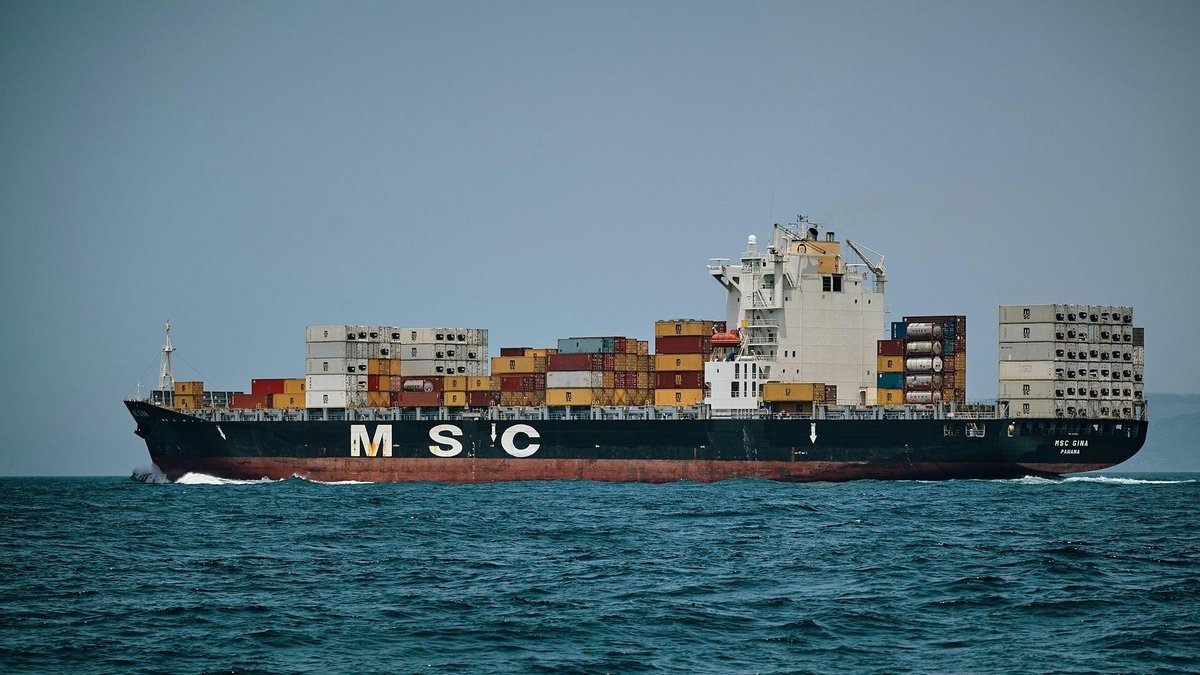
Nine major shipping organizations representing the global commercial fleet are demanding the International Maritime Organization (IMO) finalize a unified greenhouse gas framework at MEPC 85 to prevent a costly patchwork of regional carbon regulations. The joint statement, issued by groups including BIMCO, ICS, and the World Shipping Council, warns that only a coordinated global approach can ensure a level playing field and provide the investment certainty required for decarbonization.
The statement comes ahead of the Marine Environment Protection Committee (MEPC 85) meeting in London, scheduled for 30 November to 4 December 2026. The coalition includes BIMCO, CLIA, IBIA, ICS, INTERCARGO, INTERFERRY, INTERTANKO, IPTA, and WSC. These bodies are calling for a regulatory framework that is data-driven, fuel-neutral, and capable of rewarding verifiable emission reductions while maintaining cost-competitiveness.
Why it matters
The industry’s primary fear is regulatory fragmentation. If the IMO fails to deliver a global standard, shipowners and charterers face a proliferation of national or regional measures that result in multiple charges for the same emissions. This would significantly increase the administrative and financial burden on vessels trading across different jurisdictions, complicating compliance for the global fleet.
The demand for flexible compliance mechanisms highlights a major operational risk: the current lack of commercially viable zero-emission fuels for the majority of the existing fleet. Owners who have already invested billions of dollars in new ships and technologies need the IMO to protect these transition pathways. Without a pragmatic framework, these assets risk being penalized before the necessary green fuel infrastructure is available at scale.
For financiers and shipowners, the lack of a global price on carbon creates a vacuum of investment certainty. Without a clear, enforceable global obligation, the price gap between conventional and alternative fuels remains too wide to justify large-scale fleet renewal. A unified IMO agreement is the only way to bridge this gap and ensure that fuel producers and ports have the predictable demand needed to scale up production of alternative fuels.
What to watch
The next critical trigger is the MEPC 85 meeting starting 30 November 2026, where Member States must decide whether to adopt a global solution that draws on the range of alternative proposals currently on the table. Failure to reach an agreement will likely accelerate the adoption of independent regional carbon taxes.
Source: World Shipping Council