

Purus Takes Delivery of First Damen CSOV for North Sea Operations

Purus has taken delivery of its first Damen CSOV, the Purus Vortex, which will support offshore wind projects in the North Sea from IJmuiden.
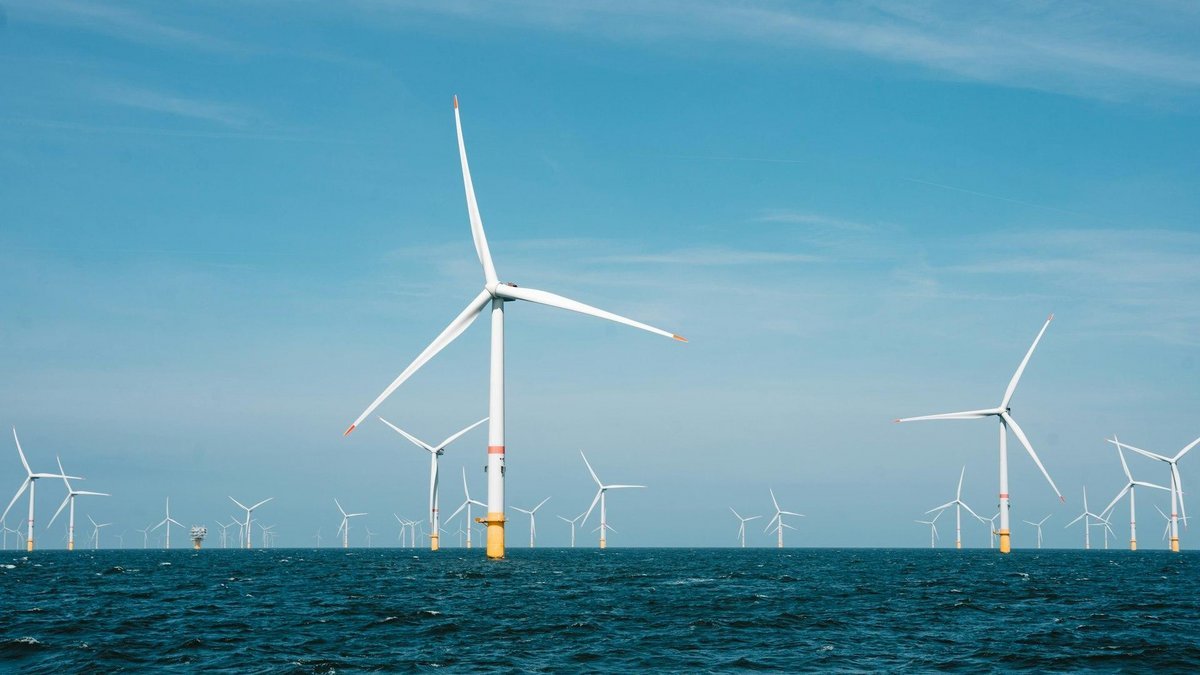
Damen Shipyards Group has delivered the 90-metre Commissioning Service Operations Vessel (CSOV) Purus Vortex to Purus. The vessel, which departed Vietnam in week 46, is currently en route to the Netherlands to begin operations out of IJmuiden.
The Purus Vortex is designed to accommodate 120 personnel and crew for offshore stays of up to 30 days. It features a motion-compensated gangway for personnel transfer and a motion-compensated crane for equipment handling. The vessel’s stability is supported by a large anti-roll tank, while its DPX-Drive system utilizes four independent azimuth thrusters for station keeping and maneuverability.
The vessel is equipped with a hybrid diesel-electric propulsion system and a battery array for peak shaving. It has also been prepared for future conversion to methanol fuel and the installation of offshore charging equipment.
Why it matters
The delivery of the Purus Vortex marks a shift in the company’s fleet composition, as it is the first Damen-built CSOV to enter the Purus fleet. By opting for a vessel design that is already prepared for methanol and offshore charging, Purus is positioning itself to meet tightening emissions requirements in the North Sea offshore wind sector without needing immediate, costly retrofits.
For charterers and offshore operators, the vessel’s technical specifications—specifically the DPX-Drive and the anti-roll tank—are aimed at increasing operational windows in the North Sea’s often volatile conditions. The ability to maintain precise station keeping while reducing underwater noise and fuel consumption provides a competitive edge for wind farm developers looking to lower the environmental footprint of their maintenance and commissioning campaigns.
The proximity of Damen’s repair and conversion yards in the Netherlands provides Purus with a localized support network. This setup likely reduces the downtime associated with maintenance and lifecycle support, ensuring the vessel remains available for the intensive work cycles required by offshore wind projects.
What to watch
Industry observers should monitor the vessel’s performance in the North Sea to see if the DPX-Drive system delivers the expected fuel savings and operational uptime in rough conditions.