

IEA: Energy Security to Drive Global Trade Shifts Through 2027
IEA warns that energy security and trade route diversification will dominate global markets through 2027, reshaping maritime cargo flows.
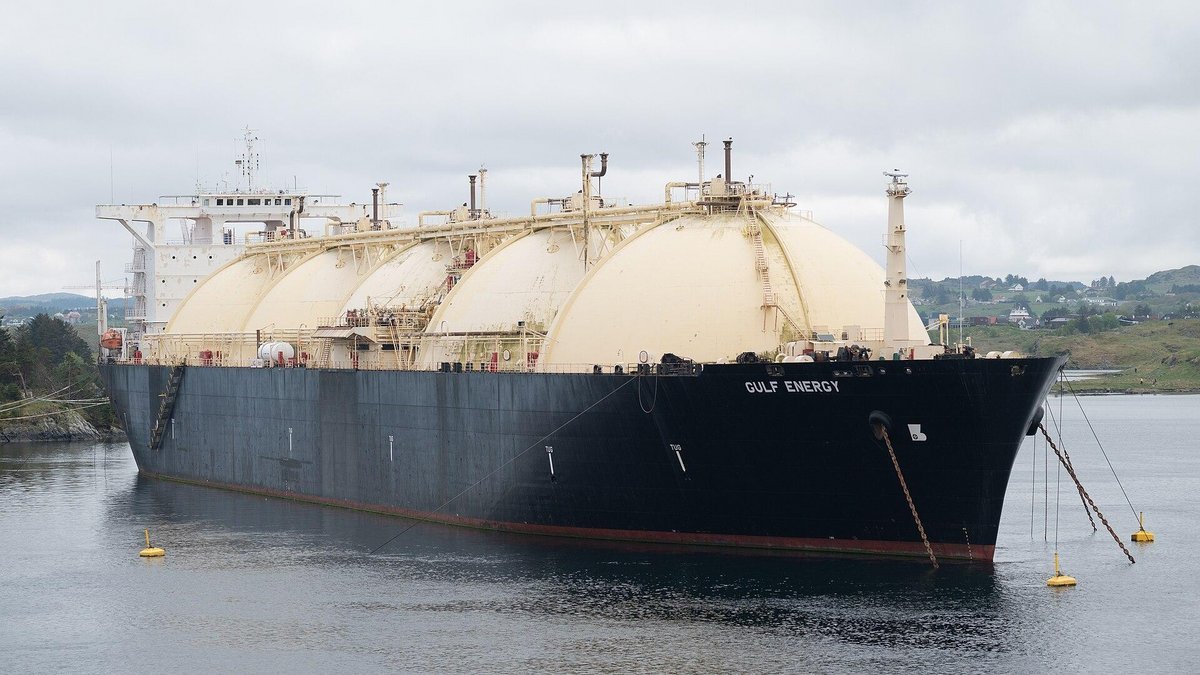
Global energy markets will not return to pre-crisis conditions by 2027 as persistent geopolitical shocks and supply vulnerabilities cement energy security as the primary driver of capital allocation, according to International Energy Agency (IEA) Executive Director Fatih Birol. The agency reports that global energy spending is reaching a record $3.4 trillion, driven by a permanent shift in how nations prioritize supply chain resilience over traditional cost-efficiency models.
The Middle East conflict and the resulting disruptions to transit through the Strait of Hormuz have exposed critical vulnerabilities in global energy flows. For the maritime industry, this development signals a long-term move away from reliance on singular chokepoints and a push toward diversifying delivery routes and trading partners. The IEA notes that 80% to 90% of Gulf energy exports were previously destined for Asia and the Middle East, but the current crisis is forcing a rethink of these established patterns.
Structural Shifts in Cargo Origins
The investment landscape reveals a significant geographical pivot in energy production that will alter future vessel deployment. While traditional African producers like Nigeria and Angola have seen upstream investment drop from $50 billion in 2016 to $25 billion in 2025, capital is flowing into emerging producers including Mozambique, Namibia, Senegal, and Uganda. This transition suggests the emergence of new load centers that will redefine tanker and gas carrier trade lanes over the next decade.
In the Western Hemisphere, the United States is positioned to represent nearly half of global LNG export capacity by 2030. This surge is supported by a fourfold increase in LNG spending in 2026 alone. For the gas shipping sector, this concentration of supply in the U.S. Gulf, combined with the need to bypass volatile transit zones, points to an increase in ton-mile demand as cargoes are rerouted to meet the diversification needs of European and Asian importers seeking reliable partners.
The Rise of the Age of Electricity
The IEA highlights that electricity-related spending now accounts for nearly 60% of all global energy investment. Clean energy technologies, nuclear power, and grid expansions are attracting $2.2 trillion in capital, nearly double the $1.2 trillion allocated to fossil fuel extraction. Nuclear power construction has hit a four-decade high, with 90 GW currently under construction globally, reflecting a rush toward domestic energy resilience.
This shift toward electrification and domestic energy resources is intended to reduce exposure to international fuel market volatility. However, the transition period is characterized by persistent diesel and gas constraints across Europe, locking in a high-alert era for energy security. For shipowners and operators, this environment necessitates a dual-track strategy: managing the immediate demand for diversified fossil fuel routes while preparing for the infrastructure requirements of a more electrified global economy.
Source: Offshore Energy