Houthi Attacks on Saudi Tankers in Red Sea | Mariner News
In a significant escalation of regional tensions, Yemen’s Houthi militia has claimed responsibility for a series of attacks on Saudi tankers in the crucial Red Sea waterway, a development that sent ripples through the global shipping industry. Saudi Arabia confirmed at least one of its vessels was ablaze following an assault, highlighting the grave dangers faced by commercial shipping in one of the world’s most vital maritime corridors. These incidents underscore the volatile geopolitical landscape and its direct impact on maritime security, particularly for the transport of crude oil and other vital commodities through the Bab al-Mandeb strait.
The reported Houthi attacks represent a direct challenge to international shipping norms and pose a substantial threat to the free flow of trade. As the world watches these events unfold, the safety of oil tankers navigating these waters becomes a paramount concern, raising questions about future security protocols and the potential for broader conflict in the region. The incident not only imperils valuable cargo and human lives but also has far-reaching implications for global energy markets and the stability of international supply chains.
The Incidents Unfold: A Timeline of Red Sea Attacks
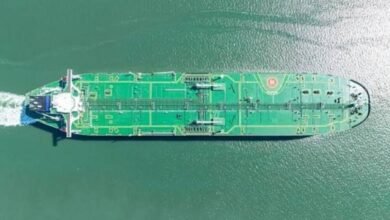
On a tense Thursday, Yemen’s Houthi militia announced a military operation targeting two Saudi Arabian oil tankers in the Red Sea. The group, allied with Iran, declared that the vessels, identified as the Encelia and Layla, had violated a naval blockade imposed by the Houthis on Saudi Arabia in the strategic Red Sea. Their statement detailed the use of a combination of ballistic missiles, cruise missiles, and drones in the coordinated assault, signaling a sophisticated and determined effort to disrupt Saudi shipping operations.
Saudi Arabia quickly responded through its state news agency, SPA, which cited an official source from the General Transport Authority. This source confirmed an attack on the tanker Encelia, stating that it caused a fire on the vessel’s bow. Crucially, the report assured that all crew members were safe and had been secured. While SPA did not explicitly name the perpetrators of the assault, the confirmation of a vessel ablaze after an attack aligned directly with the Houthi claims, underscoring the severity of the situation.
Authorities swiftly took measures to protect the marine environment from potential spills and further damage, simultaneously condemning the attack on Saudi tankers as a blatant violation of international law. Earlier maritime security reports indicated that the Encelia had transmitted a distress call via VHF radio, signaling it had been struck. These incidents represent a dangerous precedent for commercial vessels traversing the Red Sea, a critical choke point for global trade and energy transit. The specific targeting of Saudi oil tankers in this manner highlights the ongoing regional power struggles and their direct consequences for maritime security.
Geopolitical Ramifications and Regional Tensions
The Houthi attacks on Saudi tankers in the Red Sea are not isolated incidents but rather a stark manifestation of the protracted conflict in Yemen and the broader geopolitical rivalry between Saudi Arabia and Iran. The Houthi movement, which controls much of northern Yemen and its Red Sea coastline, has consistently threatened to target Saudi assets in retaliation for the Saudi-led coalition’s military intervention in Yemen. This intervention, launched in 2015, aims to restore the internationally recognized government of Yemen.
These attacks serve as a potent reminder of the Houthis’ capability and willingness to project power beyond Yemen’s borders, directly impacting international shipping lanes. The declared naval blockade by the Houthis is a controversial assertion, challenged by international maritime law, which generally upholds the right of innocent passage through international waters. The use of advanced weaponry like ballistic missiles, cruise missiles, and drones against commercial vessels raises serious concerns about the militarization of a vital shipping route.
For Saudi Arabia, a major oil exporter, the security of its oil tankers and the routes they traverse are paramount. Disruptions in the Red Sea not only threaten its economic lifelines but also underscore its vulnerability to asymmetrical warfare tactics employed by non-state actors. The incident intensifies pressure on Riyadh to find a resolution to the Yemen conflict, which continues to destabilize the region and provide a platform for such aggressive actions. This ongoing conflict contributes significantly to regional instability, directly influencing the state of Red Sea maritime security.
Impact on Global Shipping and Oil Markets
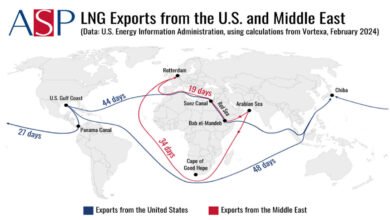
The Houthi attacks on Saudi tankers in the Red Sea have immediate and substantial implications for global shipping and the international oil market. The Red Sea, connecting the Indian Ocean to the Mediterranean via the Suez Canal, is a critical artery for global trade, especially for crude oil and refined petroleum products traveling from the Middle East to Europe and North America. Any threat to this passage necessitates a re-evaluation of shipping routes and maritime security protocols.
For oil tankers, the perceived risk of transiting the Red Sea and the Bab al-Mandeb strait will inevitably increase. This heightened risk often translates into higher insurance premiums for vessels, adding to the operational costs for shipping companies. Some operators may even consider rerouting their vessels around the Cape of Good Hope, a significantly longer and more expensive journey, to avoid the perceived dangers. Such rerouting would lead to increased transit times, higher fuel consumption, and ultimately, higher costs for consumers.
The oil markets react sensitively to any threats to supply lines. News of an attack on Saudi tankers typically causes an upward swing in crude oil prices, reflecting fears of supply disruptions. While the immediate impact might be localized, sustained threats could lead to more significant and prolonged market volatility. This situation directly affects shipping news headlines and demands continuous monitoring by industry stakeholders, emphasizing the fragile nature of global energy supply chains when confronted with regional conflicts. The incident highlights the vulnerability of maritime security in such strategically important waterways.
International Law and Maritime Security Concerns
These attacks on Saudi tankers are a grave concern under international law, specifically maritime law. The targeting of commercial vessels in international waters, regardless of the stated justification for a blockade, is widely condemned as a violation of the principles of freedom of navigation and innocent passage. Such actions threaten the safety of seafarers and the integrity of the marine environment, making them anathema to established international norms. The international community typically asserts the right of commercial vessels to traverse international straits without undue hindrance or threat.
From a maritime security perspective, the use of ballistic missiles, cruise missiles, and drones by a non-state actor against commercial shipping represents a significant escalation. It demonstrates a capacity to inflict considerable damage and disrupt crucial trade flows, challenging existing naval capabilities designed to protect these waters. These weapons systems are difficult to defend against, particularly when employed in unpredictable patterns, complicating efforts by navies and coalition forces to ensure safe passage.
The incident necessitates a robust international response that emphasizes de-escalation, adherence to international law, and the protection of global shipping. International organizations and maritime bodies are likely to issue advisories and warnings, urging vessels to exercise extreme caution when navigating the Red Sea. The long-term stability of this vital waterway hinges on the ability of international actors to deter further Houthi attacks and uphold the sanctity of maritime commerce. This event serves as a stark reminder of the complexities involved in maintaining maritime security in politically charged regions.
Protecting Vital Shipping Lanes: Industry Responses and Future Outlook
The repeated Houthi attacks on Saudi tankers have compelled the shipping industry and international naval forces to reassess their strategies for safeguarding vital maritime lanes in the Red Sea. In the immediate aftermath, shipping companies are likely to enhance their security protocols, which may include increasing onboard security personnel, improving surveillance capabilities, and potentially avoiding known high-risk areas. Ship owners and operators are also relying more heavily on intelligence sharing from maritime security agencies and naval forces operating in the region to inform their operational decisions.
Naval coalitions, such as the Combined Maritime Forces, regularly patrol these waters to combat piracy and ensure freedom of navigation. However, the nature of missile and drone attacks presents a different set of challenges compared to traditional piracy. This may necessitate a re-evaluation of naval deployments and the types of assets required to provide effective protection against such threats. Discussions around establishing more robust defensive perimeters or escort systems for vulnerable oil tankers could gain traction.
Looking ahead, the long-term outlook for Red Sea maritime security remains precarious as long as the underlying conflict in Yemen persists. A lasting resolution to the Yemeni civil war is crucial for ensuring the safety and stability of this global shipping artery. Without a political settlement, the risk of further Houthi attacks and other disruptive incidents will continue to loom large, perpetually impacting the flow of oil tankers and global trade. The international community’s collective efforts to foster peace and maintain maritime order are paramount to prevent further destabilization of this critical waterway and to safeguard the global economy from sustained disruptions.
Conclusion
The recent Houthi attacks on Saudi tankers in the Red Sea represent a dangerous escalation in regional hostilities, directly threatening international maritime security and global energy supplies. The confirmed blaze on a Saudi vessel underscores the tangible risks faced by commercial shipping in this vital waterway. These incidents not only highlight the ongoing geopolitical tensions between Saudi Arabia and Iran, as manifested through the Yemen conflict, but also bring into sharp focus the vulnerability of key trade routes to asymmetric warfare.
The international community faces a pressing challenge to address these threats, uphold international maritime law, and protect the free flow of commerce through the Red Sea. The immediate implications include increased insurance premiums, potential rerouting of oil tankers, and volatility in crude oil markets. Ultimately, a sustainable solution to the conflict in Yemen is essential for restoring long-term stability and ensuring the safety of one of the world’s most critical shipping lanes. Vigilance, collaboration, and diplomatic efforts will be key to navigating these turbulent waters and safeguarding global trade.