Hormuz Could Be ‘Redundant’ in 5 Years, HSBC CEO Says | Mariner News
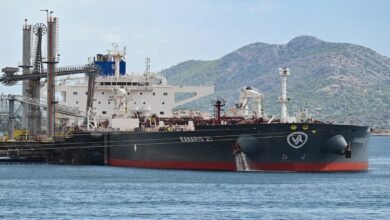
The Strait of Hormuz, a crucial global energy choke point, could become “redundant” within five years, according to HSBC Group Chief Executive Georges Elhedery. This assessment stems from substantial investments in alternative logistics routes across the Gulf, initiated to mitigate the impact of the ongoing Iran war.
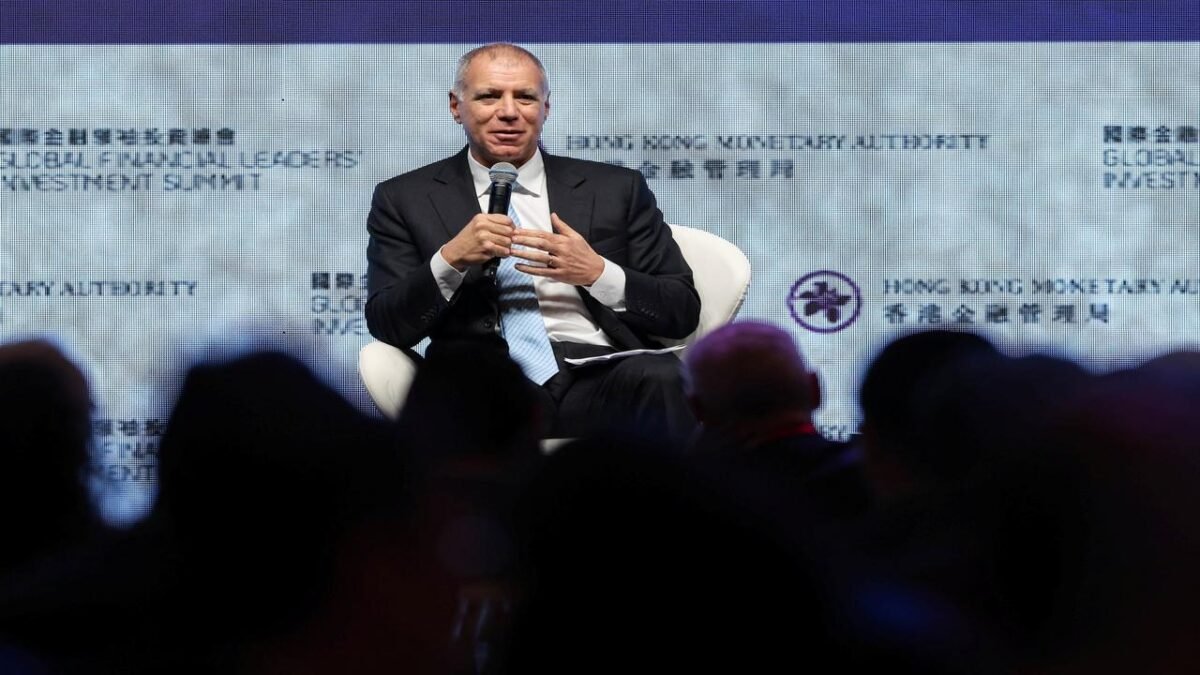
Elhedery, speaking at the HSBC Future Forum event in Dubai on Tuesday, highlighted that the conflict has prompted Gulf nations to channel significant resources into developing new energy pipelines to ports. This strategic development aims to allow the region to weather future fallout from the conflict. Historically, a fifth of global oil and liquefied natural gas (LNG) trade previously passed through the Strait.
The projected infrastructure development is extensive, with the Middle East, North Africa, and Turkey currently offering $872 billion in individual project packages. This forms part of a wider $1.4 trillion planned and unawarded infrastructure pipeline cited by HSBC.
Such large-scale investment points to a significant re-shaping of regional energy logistics. While the Strait of Hormuz remains strategically critical today, the development of these alternative routes could fundamentally alter vessel employment patterns, trade flows, and the overall risk profile for tankers and gas carriers operating in the Arabian Gulf. It indicates a long-term strategic pivot by major energy producers to diversify their export capabilities, potentially reducing their reliance on a single, geopolitically sensitive waterway. This move also implies new port infrastructure and terminals will emerge, redefining traditional shipping lanes and potentially creating new regional hubs for energy exports.