High-Efficiency PM Motors Advance Marine Electrification | Mariner News
High-efficiency permanent magnet (PM) motor technology is rapidly emerging as a critical enabler for marine electrification, allowing shipowners to meet increasingly stringent emissions reduction targets while addressing significant design constraints. This shift is particularly evident as operators face escalating pressure to reduce carbon intensity without compromising vessel performance or operational costs.
Driving this adoption are ambitious decarbonization targets set by the International Maritime Organization (IMO), including a 40% reduction in carbon intensity by 2030 and net-zero emissions by or around 2050. Supplementary policy frameworks such as the EU’s Emission Trading System, FuelEU Maritime, and the IMO’s Carbon Intensity Indicator (CII) are intensifying annual performance scrutiny, sharpening the commercial imperative for cleaner, more efficient propulsion.
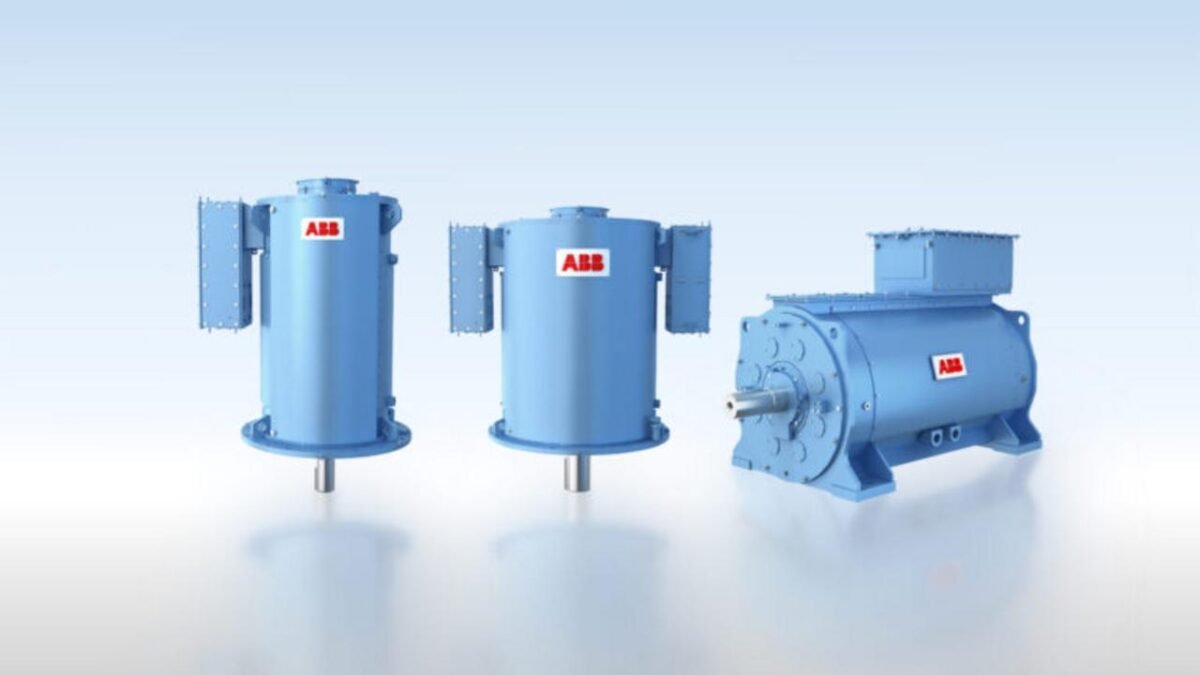
While induction and synchronous motors remain widely used, PM motor technology is gaining traction across diverse vessel segments, including harbor tugs, offshore support vessels, and hybrid ferries. Its appeal stems from its superior efficiency across variable loads, compact footprint, and reduced weight—attributes where traditional induction motors face inherent limitations, particularly rotor losses and diminished performance at partial loads common in hybrid operations.
The widespread evaluation of PM motor technology signifies more than a mere component upgrade; it reflects a strategic pivot in newbuild specifications and procurement decisions. The enhanced efficiency at variable loads directly contributes to improved CII ratings and lower operational expenditures, offering a tangible competitive advantage in charter markets.
Crucially, the compact footprint and reduced weight of PM motors offer naval architects and owners greater design latitude. This is a non-obvious benefit, moving beyond simple efficiency gains, as it can enable more optimized vessel layouts, potentially freeing up critical space for increased cargo capacity, larger battery banks, or other mission-critical equipment, thereby enhancing overall vessel utility and operational flexibility for specialized applications.