HD Hyundai Samho Delivers First Maersk Ammonia Carrier | Mariner News
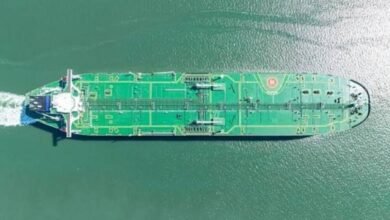
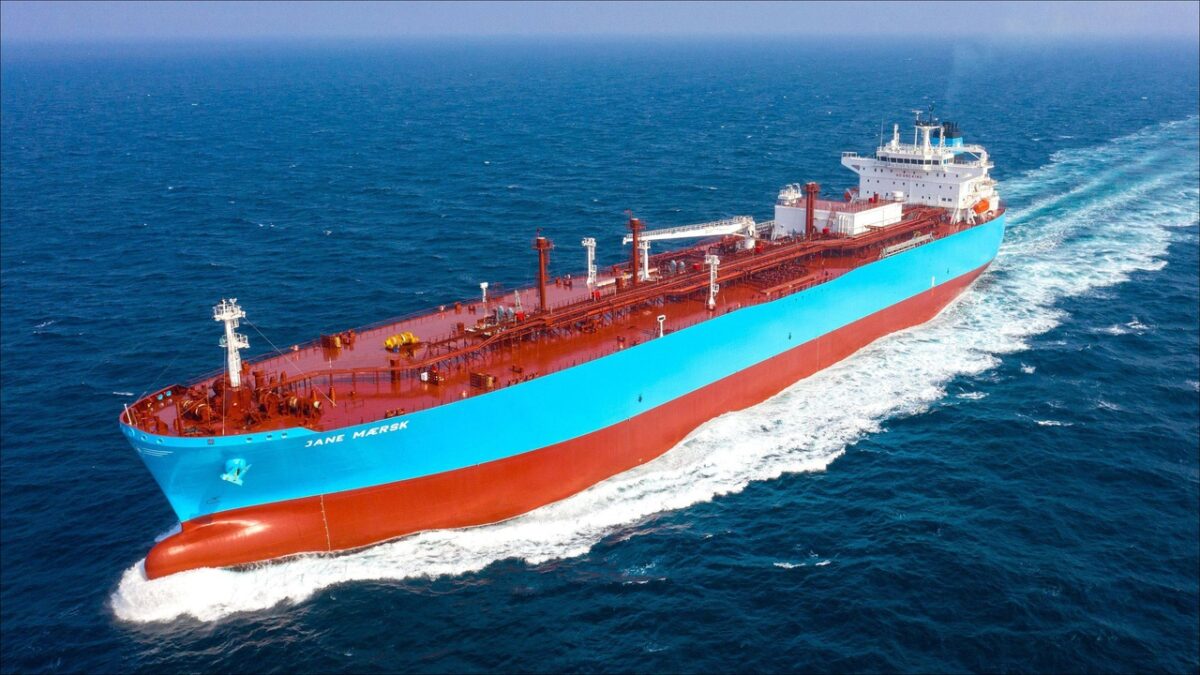
The maritime industry has reached a significant milestone in its journey towards decarbonization with HD Hyundai Samho’s delivery of the first Very Large Ammonia Carrier (VLAC) to Maersk Tankers. This landmark event, marking a crucial step in the adoption of alternative marine fuels, underscores the industry’s commitment to reducing carbon emissions and embracing greener shipping solutions. The vessel, named ‘Jane Maersk,’ is not merely a new addition to Maersk’s fleet but a beacon of future marine transport, designed to carry liquefied ammonia, a highly promising zero-carbon fuel, alongside conventional LPG. This strategic move by leading industry players signifies a paradigm shift, positioning ammonia as a frontrunner in the quest for sustainable shipping practices and driving innovation across the global supply chain.
This inaugural delivery highlights the growing momentum behind ammonia as a viable alternative fuel for large-scale maritime operations. As regulatory pressures intensify and environmental awareness grows, stakeholders across the shipping ecosystem are actively exploring and investing in technologies that support a cleaner, more sustainable future. The ‘Jane Maersk’ embodies this forward-thinking approach, representing a tangible outcome of collaborative efforts between shipbuilders and operators to meet ambitious decarbonization targets. Its advanced design and specialized safety features set a new benchmark for gas carrier technology, addressing the complex challenges associated with transporting and potentially utilizing ammonia as a propulsion fuel.
Pioneering Sustainable Maritime Transport with Ammonia Carriers
The delivery of the ‘Jane Maersk,’ a 93,000 cubic meter (m3) capacity VLAC, represents a pivotal moment in the global effort to decarbonize maritime transport. Ammonia, with its zero-carbon emissions potential during combustion, is increasingly recognized as a key component of the future fuel mix for the shipping industry. Unlike fossil fuels, when ammonia is burned, it produces no carbon dioxide. This characteristic makes ammonia carriers, and specifically vessels designed to run on ammonia, critical assets in achieving net-zero emissions targets set by international maritime organizations and national governments.
This development by HD Hyundai Samho and Maersk Tankers is not just about a new vessel; it’s about pioneering an entirely new era of sustainable shipping. The ability to safely and efficiently transport significant volumes of ammonia globally is fundamental to establishing the necessary infrastructure for widespread ammonia fuel adoption. By investing in these advanced ammonia carriers, the companies are directly contributing to the development of a robust supply chain for this vital future fuel. This strategic foresight prepares the ground for a future where clean fuels are not just an aspiration but a logistical reality.
HD Hyundai Samho’s Leadership in VLAC Construction
South Korean shipbuilder HD Hyundai Samho has firmly established its position at the forefront of the specialized gas carrier market with this delivery. The company’s expertise in constructing sophisticated vessels capable of handling challenging cargoes like ammonia and LPG is unparalleled. The ‘Jane Maersk’ is the first of five such VLACs ordered by Maersk Tankers in November 2023, showcasing the shipbuilder’s significant capacity and technical prowess in meeting the evolving demands of the global shipping industry. This initial delivery is a testament to HD Hyundai Samho’s engineering excellence and its commitment to advancing marine technology.
The successful construction and delivery of this complex vessel underscore HD Hyundai Samho’s strategic focus on the burgeoning ammonia carrier market. The company has secured orders for nine VLACs this year alone, demonstrating strong market confidence in its capabilities and the anticipated growth in demand for ammonia transport and propulsion solutions. With an impressive order backlog of 22 vessels valued at approximately $2.55 billion, HD Hyundai Samho is set to play a dominant role in shaping the future fleet of green energy carriers. Their continued investment in research and development, particularly in safety and efficiency features for ammonia handling, positions them as a key enabler of the maritime energy transition.
‘Jane Maersk’: Innovation and Safety Features of the VLAC
The ‘Jane Maersk’ is more than just a large ship; it is a highly advanced engineering marvel equipped with state-of-the-art technology designed for the safe and efficient transportation of liquefied ammonia and LPG. Its substantial 93,000 m3 capacity allows for significant economies of scale, making the transport of these crucial energy sources more cost-effective. A critical aspect of its design is the inclusion of specialized safety systems, which are paramount when handling ammonia due to its hazardous properties. These systems include sophisticated high-level alarms to mitigate the risk of misloading ammonia, ensuring operational safety and environmental protection.
Beyond its cargo capabilities, the ‘Jane Maersk’ is built with an eye towards future adaptability. While initially designed to carry liquefied ammonia and LPG, its construction anticipates potential retrofitting for ammonia propulsion, aligning with Maersk’s broader strategy for a decarbonized fleet. This forward-thinking design philosophy provides flexibility and ensures the vessel’s long-term relevance in a rapidly evolving energy landscape. The careful integration of advanced sensors, monitoring systems, and robust containment technologies reflects the industry’s commitment to making ammonia a safe and reliable component of maritime logistics.
Strategic Impact on Global Decarbonization
This collaboration between HD Hyundai Samho and Maersk Tankers is a powerful symbol of the shipping industry’s proactive approach to global decarbonization efforts. Maersk, a global leader in container shipping and logistics, has set ambitious targets for achieving net-zero emissions by 2040 across its entire business. The acquisition of these ammonia carriers is a vital component of this strategy, enabling the company to prepare for a future where alternative fuels power its operations. By securing these advanced vessels, Maersk is not only addressing its own environmental footprint but also driving the broader market towards sustainable solutions.
Developing the infrastructure for green fuels, including the specialized fleet of ammonia carriers, is critical for the maritime sector to meet the International Maritime Organization’s (IMO) revised greenhouse gas reduction targets. The ‘Jane Maersk’ and its sister ships will facilitate the global distribution of ammonia, which is essential for scaling up its use as a marine fuel. This strategic investment demonstrates Maersk’s leadership in transitioning away from fossil fuels and reinforces the global maritime industry’s collective responsibility to combat climate change. The impact extends beyond simply reducing emissions from the vessels themselves; it stimulates investment in green ammonia production and supply chains worldwide.
The Growing Ammonia Carrier Market and Future Outlook
The market for ammonia carriers is experiencing exponential growth, fueled by both the increasing demand for ammonia as a commodity in agriculture and industry, and its emerging role as a key future marine fuel. The significant order backlog at HD Hyundai Samho, coupled with similar developments across other shipbuilders, indicates a robust expansion phase for this specialized segment of the shipping industry. As the world transitions to a low-carbon economy, the need for efficient and safe transportation of green ammonia will only intensify, creating sustained demand for advanced VLACs. This trend is further bolstered by global efforts to diversify energy sources and reduce reliance on conventional fossil fuels.
The future outlook for ammonia as a marine fuel is increasingly optimistic, despite ongoing challenges related to its toxicity, energy density, and the need for significant infrastructure investment. The delivery of the ‘Jane Maersk’ provides tangible evidence of the industry’s progress in overcoming these hurdles through technological innovation and strategic partnerships. As more ammonia production facilities powered by renewable energy come online, the availability of green ammonia will increase, making its widespread adoption more feasible. The continued development of dual-fuel engines capable of running on ammonia and conventional fuels will also play a crucial role in accelerating this transition, allowing for operational flexibility and risk mitigation. This initial delivery by HD Hyundai Samho is not just an isolated event; it is a foundational step in building the resilient, sustainable maritime supply chain of tomorrow.