Gulf Crisis Multiplies Biofouling Risks for Anchored Ships | Mariner News
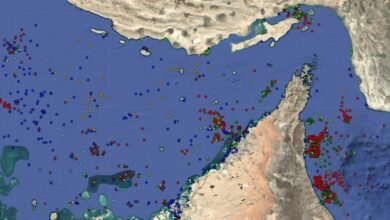
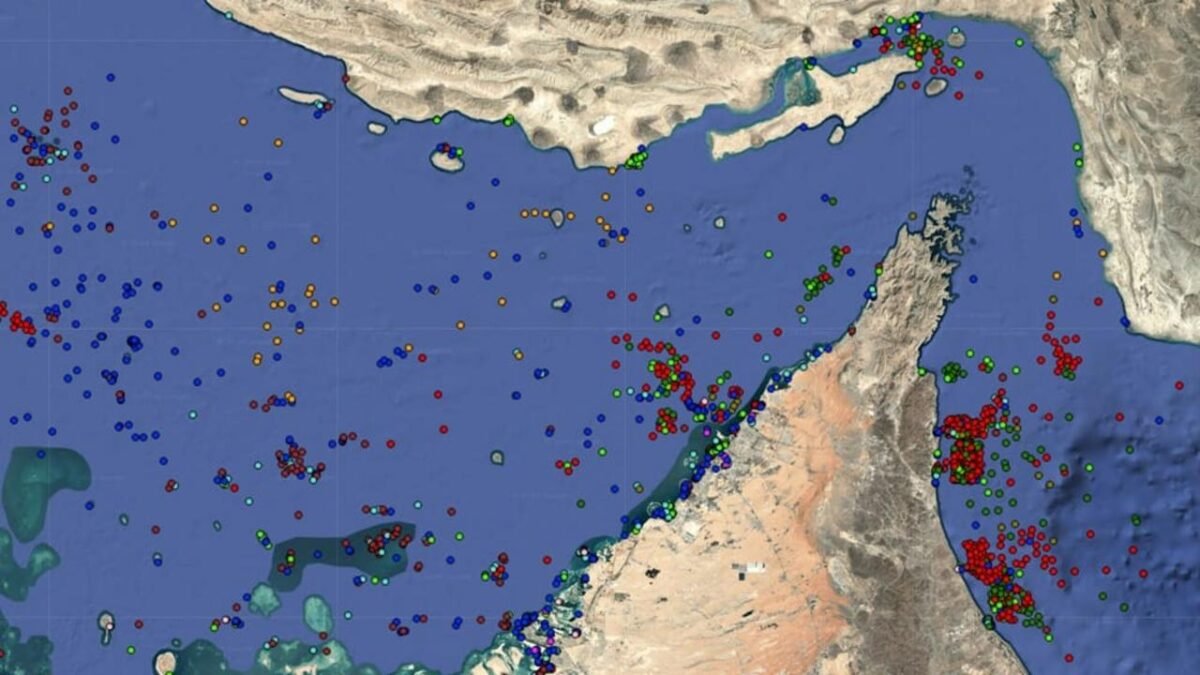
The ongoing Gulf crisis has subjected nearly a thousand vessels to prolonged anchoring across the Arabian Gulf, significantly multiplying biofouling risks and posing substantial operational, environmental, and biosecurity challenges for the global fleet.
As of mid-June 2026, AIS data from MarineTraffic, reported by Weathernews, indicated 958 vessels stranded, with 63% idle for 100 days or more. This widespread inactivity is fundamentally altering hull conditions below the waterline, even as the broader crisis continues to evolve.
Marine growth, which commences within minutes of a hull contacting seawater, progresses rapidly during extended idling. An initial conditioning film and slime layer quickly give way to larger organisms such as barnacles, mussels, tubeworms, sea squirts, and seaweed over weeks or months. This unchecked growth adds significant roughness and drag to hulls engineered for efficient movement.
The commercial consequences for vessel operators are direct and substantial. Increased drag translates to slower speeds, heavier engine loads, and higher fuel consumption, along with an associated surge in emissions for the same performance. A 2025 survey by Jotun found that 50.4% of 1,000 shipowners and operators had already experienced reduced operational efficiency and increased fuel consumption due to poor hull conditions.
Beyond immediate operational costs, the biosecurity implications are particularly acute. Vessels resuming trade after prolonged periods in the biologically rich Gulf waters, carrying significant biofouling, are at heightened risk of non-native species transfer. This could lead to increased scrutiny, potential delays, or mandatory in-water cleaning requirements at destination ports with stringent biosecurity regulations, impacting voyage schedules and profitability.
For charterers and operators, the performance degradation of these vessels will be a critical consideration. Vessels emerging from long-term layups with compromised hull performance may struggle to meet charter party speed and consumption clauses, potentially leading to disputes and reduced market attractiveness. Owners and managers face a considerable maintenance burden and strategic planning challenge to effectively de-foul these vessels before re-entering competitive service.