

Floating Production Pipeline Faces Post-2030 Sanctioning Gap
The 232-unit floating production pipeline through 2035 masks a sharp drop in firm orders after 2030, risking offshore supply chain stability.
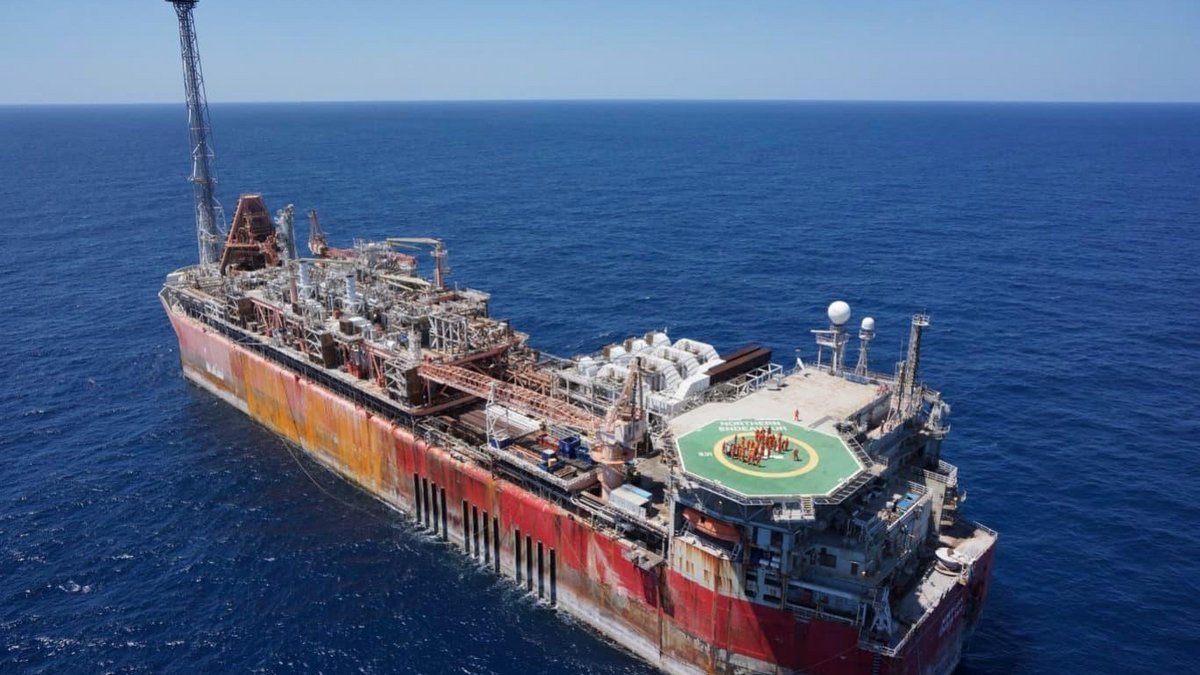
The global floating production pipeline through 2035 looks massive with 232 units scheduled for first production, but a sharp drop in firm orders after 2030 leaves offshore contractors facing a high-stakes gap between identified projects and executable work.
Intelatus Global Partners tracks 711 floating units worldwide, including 232 planned or on-order facilities with expected start dates between 2026 and 2035. While the total volume is high, the mix reveals a heavy reliance on uncommitted projects. Of the units dated 2026–2035, 174 remain in the planning phase while only 72 are currently on order.
Expected first production peaks in 2028 with 52 units, but the schedule becomes speculative thereafter. For the 2031–2035 period, 66 units are planned while just two are on order. This uncertainty is most acute in Africa, where all 13 units scheduled for the 2031–2035 window remain uncontracted.
Latin America remains the primary driver for the FPSO segment, accounting for 41 of the 108 FPSOs in the ten-year pipeline. Brazil leads with 30 projects and Guyana with 11. Meanwhile, the Gulf of Mexico maintains a distinct profile, favoring semi-submersibles with nine planned or on-order units compared to just four FPSOs.
Why it matters
The discrepancy between planned projects and firm orders creates a massive risk for shipyard capacity and offshore service providers. Mooring suppliers and offshore support vessel owners cannot bank on the full 232-unit pipeline. With only two units on order for the entire 2031–2035 period, the industry faces a potential cliff in installation work unless oil majors accelerate final investment decisions within the next three years.
Regional technical requirements will dictate which suppliers win. Latin American projects average water depths of 1,564 meters, requiring sophisticated deepwater mooring and heavy-lift installation vessels. In contrast, the Mediterranean is dominated by FSRUs, which represent a coastal terminal market rather than a traditional offshore production play. Suppliers must align their fleet capabilities with these specific regional profiles to capture the 72 units already on order.
The broadening interest in FLNG introduces new players and commercial models to the gas trade. Rystad Energy expects global FLNG capacity to jump from 14.1 Mtpa in 2024 to 55 Mtpa by 2035. Established FPSO operators like Yinson Production are already moving to adapt lease-and-operate models to this segment. For charterers, this shift toward smaller or remote gas field economics provides more flexible supply options compared to massive onshore LNG plants.
What to watch
The conversion rate of the 13 planned African units scheduled for 2031–2035 will serve as the primary indicator for whether the current offshore development cycle has true longevity or will stall after the 2028 production peak.
Source: MarineLink