

Bremerhaven launches €1.35bn NATO logistics and port infrastructure upgrade
Bremerhaven launches a €1.35bn upgrade to support NATO military transport, modernising container quays and rail links through 2031.
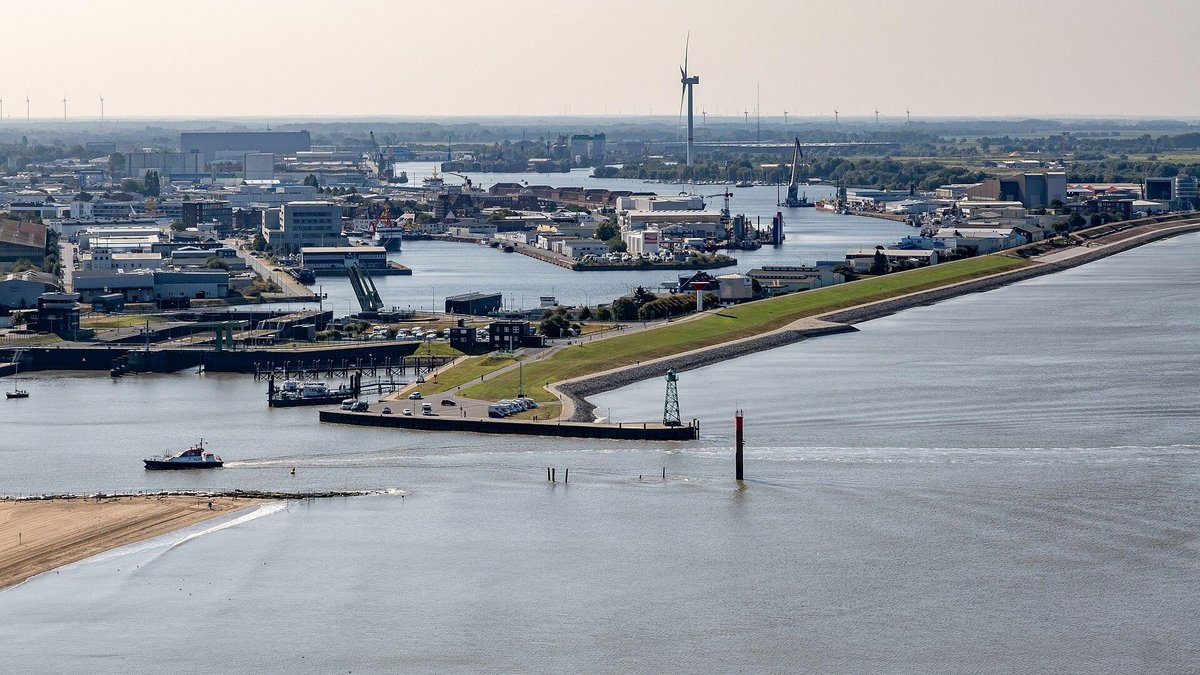
Bremerhaven is launching a €1.35 billion infrastructure overhaul to transform the port into a primary NATO logistics hub, a move that will force commercial operations to share upgraded facilities with military heavy-lift requirements through 2031.
The Deployment Hub Bremerhaven 2031 programme includes 42 separate measures across the port, road, rail, and airport networks. The federal government is providing the majority of the funding, while the state of Bremen has committed more than €212 million to the project. The Federal Office of Bundeswehr Infrastructure, Environmental Protection and Services (BAIUDBw), the state of Bremen, and Bremenports signed the implementation agreement on 3 November.
Major works at the port target the container terminal quay, the redevelopment of the Kaiserhafen area, and the expansion of the Speckenbüttel port railway facilities. The plan also includes new heavy-load areas, bridges, and improved transport links designed to facilitate the movement of military vehicles and equipment toward NATO’s eastern flank.
Why it matters
The scale of this investment indicates a fundamental shift in how Bremerhaven will function. While Bremenports states that the upgraded infrastructure will remain available for commercial operations, the primary driver is military mobility. For shipowners and terminal operators, this means the port’s most modernised quays and rail links will be designed to handle tanks and heavy equipment, potentially creating competition for space when NATO logistics take priority.
The 2031 completion date sets a decade-long construction horizon. During this period, the 42 individual measures will likely create rolling disruptions to road and rail access. However, the heavy-load upgrades and rail expansions will eventually provide commercial heavy-lift and breakbulk carriers with more robust infrastructure than the current facilities offer.
The federal government’s financial backing secures the project against the budget volatility often seen in state-level infrastructure. This provides a rare level of certainty for long-term planning by port users, even as the port’s role as a transit point for the alliance’s eastern flank becomes its defining strategic feature.
What to watch
The delivery of all 42 infrastructure measures by the scheduled deadline at the end of 2031.
Source: World Cargo News