

Asia project cargo boom hits infrastructure bottleneck
Surging demand for heavy-lift projects in Asia faces a crisis as inadequate roads and bridges threaten delivery of 1,500-tonne modules.
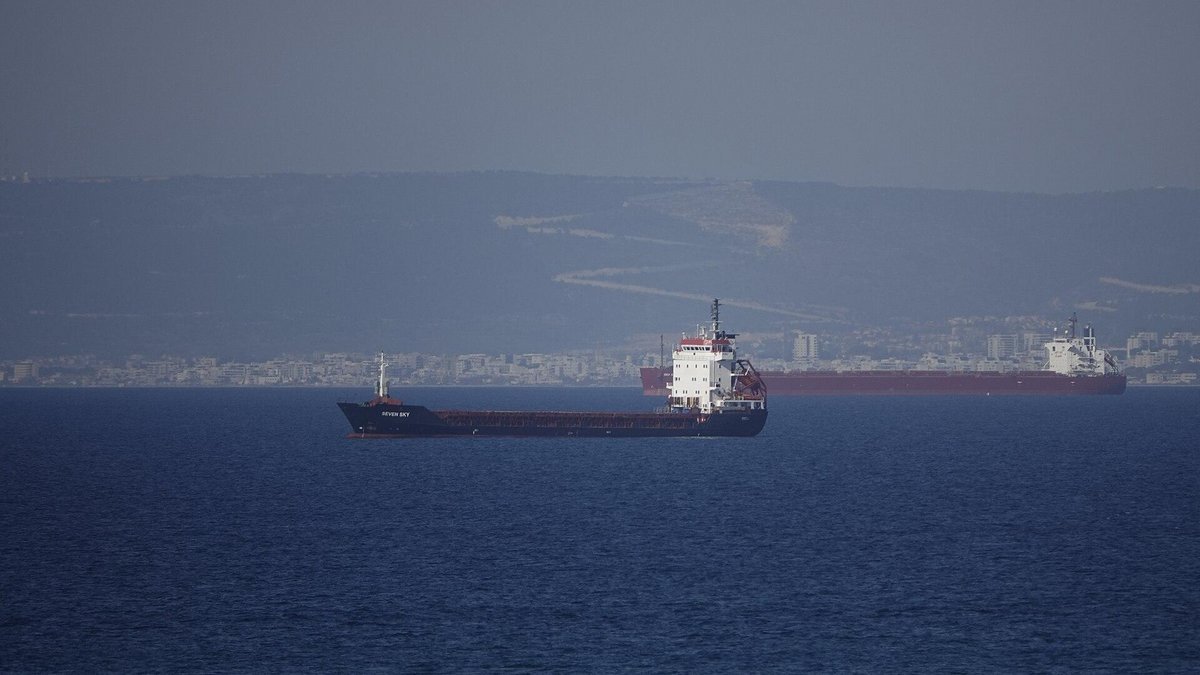
Surging demand for industrial projects across Southeast Asia and India is outstripping the region’s physical capacity to move heavy equipment, forcing logistics planning into the boardroom to avoid project failure.
MSC head of project cargo Ben Collins told the Breakbulk Asia conference in Singapore that Vietnam’s emerging nuclear power program and other regional infrastructure developments are driving a bullish outlook for the sector. AAL Shipping’s commercial chief Felix Schoeller said the China Plus One strategy has accelerated the relocation of engineering, procurement, and construction (EPC) activities to Southeast Asia and India over the last decade.
However, Denzai CEO Kohki Uemura warned that roads and bridges in these regions are insufficient for modules weighing between 500 and 1,500 tonnes. Ceva Logistics operations director Yohan Beal noted that project owners now require logistics providers to conduct due diligence surveys to ensure cargo can move from the port to the final destination before purchase orders are signed.
Why it matters
The China Plus One shift is moving beyond light manufacturing into heavy industrial and nuclear sectors. This creates high-value opportunities for heavy-lift owners and project forwarders, but the physical limits of landside infrastructure in emerging markets like Vietnam and India create a hard ceiling on project execution. If a 1,500-tonne module cannot cross a bridge between the port and the site, the project stops.
For EPC contractors and project owners, the era of treating logistics as a commodity bought at the lowest price is ending. Logistics specialists now hold veto power over purchase orders because the risk of stranded cargo is too high. Carriers and forwarders must prioritize detailed route surveys over freight rates, as fixing a port of discharge without verifying the final route risks massive detention costs and project delays.
Prioritizing short-term savings on transport today likely leads to much higher costs when infrastructure failures occur. Project owners who ignore these logistical constraints during the early planning stages risk being dictated by future transportation requirements that they cannot meet.
What to watch
Watch for EPC contractors to involve specialist logistics providers earlier in the planning process to secure board-level approval before signing purchase orders for heavy equipment.
Source: The Loadstar