

Finland jails cargo ship crew for Baltic cable damage
A Finnish court has sentenced a captain and crew member to prison for damaging undersea cables, setting a precedent for maritime jurisdiction.
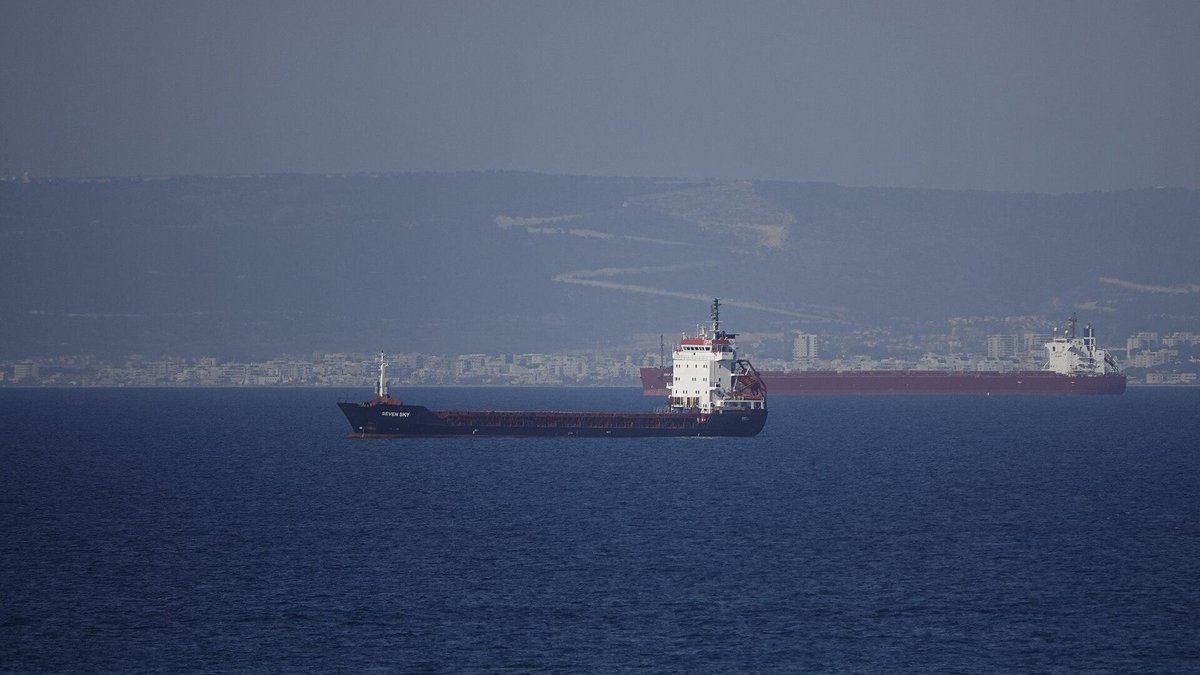
A Finnish court has established a high-stakes precedent for maritime liability by sentencing a cargo ship captain and crew member to prison for damaging undersea cables outside territorial waters.
Helsinki District Court handed down the sentences on Thursday following an incident on December 31, 2025. The court found the captain and a crew member guilty of damaging two telecommunications cables and endangering a gas pipeline in the Gulf of Finland. The vessel dragged its anchor chain for 130 kilometers over several hours after departing St Petersburg.
The captain received a sentence of three years and six months, while the crew member was sentenced to two years and 10 months. Both were taken into custody immediately. The court ruled that the crew had to be aware the anchor was down, even though prosecutors did not assert the captain had personally ordered it lowered.
Why it matters
The ruling expands the legal risks for shipowners and crews operating in busy corridors. By asserting jurisdiction over an incident that occurred outside territorial waters, the Finnish court has shown that coastal states can prosecute foreign mariners if the consequences of their actions reach the shore. This bypasses traditional reliance on flag-state jurisdiction and creates a new layer of legal exposure for international shipping.
The court’s definition of intent is particularly sharp for operational standards. Judges ruled the offense was intentional because the crew should have known the anchor was deployed. This suggests that operational failures leading to infrastructure damage may now be treated as criminal acts rather than accidents or simple negligence, lowering the threshold for prosecution.
Financial liability now follows the prison terms. The court ordered the defendants to pay damages for the cost of repairing and inspecting the cables and the gas pipeline. For owners and insurers, this confirms that the costs of subsea infrastructure damage will be aggressively pursued through both criminal and civil channels, regardless of where the vessel was positioned when the damage occurred.
What to watch
The defendants have the right to appeal the unanimous decision. The outcome will determine if this expansion of coastal state jurisdiction becomes a settled legal standard for infrastructure protection in international waters.
Source: Shipping Telegraph