Evergreen Fleet Hits 2 Million Container Capacity | Mariner News
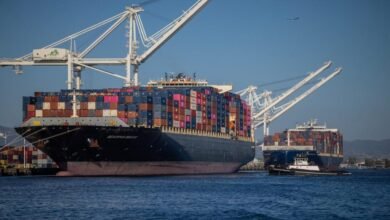
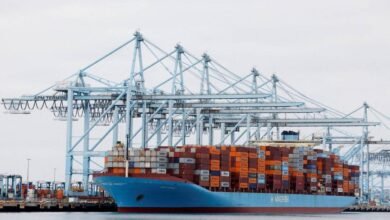
The global shipping industry, a vital artery of international trade, is continuously evolving to meet the escalating demands for efficient and robust logistics solutions. In a significant development that underscores its strategic growth and pivotal role in maritime commerce, Evergreen Marine Corporation, one of the world’s largest container shipping companies, has proudly announced that Evergreen’s fleet has successfully reached a formidable total carrying capacity of two million TEUs (Twenty-foot Equivalent Units). This monumental achievement not only marks a substantial milestone for the Taiwan-based carrier but also signals a broader trend of expansion within the container shipping sector, directly reflecting the ever-increasing demands placed upon global supply chains. Reaching this two-million-container capacity threshold solidifies Evergreen’s standing as a powerhouse in global logistics, demonstrating its unwavering commitment to enhancing operational scale and efficiency. This expansion is critical in meeting the complex needs of modern trade, ensuring goods flow seamlessly across continents and supporting economies worldwide. The milestone is a testament to years of strategic planning, significant investment in advanced container vessels, and a keen understanding of the dynamic international freight market.
The Journey to Two Million TEU: A Strategic Expansion
Evergreen Marine Corporation’s ascent to a two-million-TEU fleet capacity is a story of continuous strategic expansion and foresight within the fiercely competitive maritime transport industry. From its inception, Evergreen has systematically invested in its vessel fleet, steadily growing its armada of cargo ships to meet burgeoning global trade volumes. This journey has been characterized by judicious newbuild orders, the adoption of state-of-the-art container technology, and an unwavering focus on enhancing operational capabilities across its shipping network.
The milestone of reaching two million TEUs is not merely a number; it represents a substantial increase in Evergreen’s ability to facilitate international trade and reinforce global supply chain resilience. Each new container ship added to the fleet is carefully designed for optimal fuel efficiency and cargo carrying capacity, reflecting a sophisticated balance between environmental responsibility and commercial viability. This calculated growth has allowed Evergreen to significantly expand its route network, connecting more ports and markets around the world with greater frequency and reliability. Such strategic investments are crucial in an industry where even minor disruptions can have cascading effects across global economies, underscoring the importance of robust maritime logistics.
Moreover, Evergreen’s expansion strategy has been closely tied to the evolving landscape of global manufacturing and consumption patterns. As manufacturing hubs shift and consumer markets grow, the demand for containerized cargo transport intensifies. By proactively increasing its shipping capacity, Evergreen positions itself to capitalize on these trends, providing essential infrastructure for businesses to move their products efficiently from production lines to consumer doorsteps. This forward-looking approach ensures the company remains a central player in facilitating the intricate dance of international commerce, adapting to market shifts while maintaining its commitment to service excellence in the global freight market.
The growth to two million TEUs underscores Evergreen’s dedication to maintaining a modern, high-capacity container fleet. This includes not just the sheer number of containers that can be transported, but also the continuous upgrading of existing vessels and the integration of new, technologically advanced ships. The emphasis on newer vessels often translates into improved environmental performance, better fuel consumption, and enhanced cargo handling capabilities, all of which contribute to a more sustainable and efficient global maritime industry. Such strategic investments are fundamental to sustaining long-term growth and leadership in the demanding world of container shipping.
Impact on Global Shipping and Supply Chains
The augmentation of Evergreen’s fleet to a two-million-TEU container capacity carries profound implications for the entire global shipping ecosystem and the intricate web of supply chains that underpin international commerce. For shippers, this increased capacity generally translates into greater availability of space on vessels, which can lead to more stable and potentially lower freight rates over time, reducing costs for businesses importing and exporting goods. It also offers more flexibility in scheduling and routing, mitigating some of the volatility that has plagued maritime logistics in recent years. This stability is crucial for businesses reliant on timely and cost-effective delivery of components and finished products, strengthening their supply chain management.
Furthermore, a larger and more robust container fleet enhances the overall reliability and resilience of supply chain management. When major carriers like Evergreen expand their capabilities, it provides a buffer against unforeseen disruptions, such as port congestions, natural disasters, or geopolitical events. With more vessels and greater space, shipping lines can better adapt to sudden surges in demand or re-route cargo more effectively, minimizing delays and maintaining the flow of goods. This reliability is paramount for industries with just-in-time inventory systems and those dealing with perishable or time-sensitive commodities, reinforcing the critical role of efficient logistics in global trade.
Evergreen’s expanded cargo capacity also influences port operations and intermodal logistics. Major ports must evolve to handle the increasing volume and size of container ships. This necessitates significant investments in deeper channels, larger cranes, and more advanced terminal automation. The synergy between a growing fleet and improved port infrastructure is vital for optimizing turnaround times and ensuring seamless transfer of cargo between sea, rail, and road networks. The ripple effect extends to inland transportation, with increased demand for rail and truck services to move goods from port to final destination, highlighting the interconnectedness of the entire global transportation network.
The competitive landscape of the container shipping industry is also shaped by such significant capacity expansions. As major players like Evergreen grow, it intensifies competition, potentially driving innovation and service improvements across the sector. Other shipping lines may respond by investing in their own fleets or by forming strategic alliances to maintain their market share and offer competitive services. This dynamic environment ultimately benefits consumers through a more efficient and responsive global freight market, ensuring wider availability of products at more competitive prices due to optimized transport costs. The scaling up of maritime cargo operations is a continuous process of adaptation and strategic response within this global economic artery.
Evergreen’s Commitment to Modern Fleet and Sustainability
Evergreen Marine Corporation’s pursuit of a two-million-TEU container fleet capacity is not solely about volume; it is intrinsically linked to a profound commitment to fleet modernization and environmental sustainability. The company has made substantial investments in acquiring new-generation container vessels that incorporate advanced shipbuilding technologies designed to significantly reduce their carbon footprint. These modern ships feature more efficient engines, optimized hull designs, and innovative fuel-saving measures, aligning with global efforts to decarbonize the shipping industry. This proactive approach to sustainability ensures that Evergreen remains at the forefront of environmentally responsible maritime logistics.
The drive for a modern fleet extends beyond fuel efficiency, encompassing broader environmental considerations. Evergreen has increasingly focused on vessels capable of running on alternative fuels or those equipped with exhaust gas cleaning systems (scrubbers) to comply with stringent IMO (International Maritime Organization) regulations on sulfur emissions. This dedication to eco-friendly shipping solutions not only meets regulatory requirements but also responds to the growing demand from clients and consumers for greener supply chains. By integrating sustainable practices into its vessel operations, Evergreen is not just transporting goods but also contributing positively to the health of our planet.
Furthermore, technological advancements in fleet management play a crucial role in enhancing both efficiency and sustainability. Evergreen leverages sophisticated digital platforms for route optimization, real-time vessel monitoring, and predictive maintenance. These technologies help in reducing fuel consumption by identifying the most efficient routes and speeds, minimizing idle time, and preventing mechanical failures that could lead to delays and increased emissions. This holistic approach to sustainable shipping demonstrates a clear understanding that operational excellence and environmental stewardship are not mutually exclusive but rather synergistic components of modern maritime transport.
Evergreen’s commitment also involves ongoing training for its crews to operate these advanced container ships safely and efficiently, maximizing the benefits of new technologies. This investment in human capital ensures that the sophisticated systems on board are utilized to their full potential, contributing to both operational safety and environmental performance. The integration of cutting-edge design, green technologies, and highly skilled personnel positions Evergreen as a leader in forging a path towards a more sustainable and resilient global maritime industry, reinforcing its role as a responsible global carrier in the container shipping market.
Navigating the Future of Container Logistics
As Evergreen Marine Corporation celebrates its two-million-TEU container fleet milestone, the focus inevitably shifts towards navigating the complex and rapidly evolving future of container logistics. The industry is on the cusp of significant transformations driven by technological innovation, increasing regulatory pressures, and changing global trade dynamics. Evergreen’s continued success will depend on its ability to embrace these shifts, particularly in areas such as digitalization, automation, and the integration of smart technologies across its shipping network. The future of maritime transport will be characterized by greater connectivity and data-driven decision-making.
Digitalization is poised to revolutionize supply chain management within the container shipping sector. From blockchain-enabled documentation to AI-powered predictive analytics for cargo flow, these technologies promise to enhance transparency, reduce administrative burdens, and optimize vessel utilization. Evergreen is expected to continue investing in such digital infrastructure to streamline operations, improve communication with stakeholders, and offer more responsive and customized logistics solutions to its clients. This digital transformation is not just about efficiency but also about creating a more resilient and adaptable global logistics network.
Automation, particularly in port operations and cargo handling, will also play a crucial role. Automated container terminals can significantly increase throughput efficiency, reduce turnaround times for cargo ships, and minimize human error. While the fully autonomous container vessel may still be some time away, advancements in remote monitoring and control systems are continuously improving operational safety and efficiency at sea. Evergreen’s strategic planning will undoubtedly incorporate these automation trends to maintain its competitive edge and ensure its fleet operations remain cutting-edge and future-proof.
The ongoing evolution of global trade patterns, including the rise of e-commerce and regionalization of supply chains, necessitates greater agility and flexibility in container transport. Evergreen, with its expanded shipping capacity and modernized fleet, is well-positioned to adapt to these shifts, offering diverse services and connecting emerging markets. Furthermore, the persistent push for sustainable shipping will continue to shape investment decisions, driving innovation in alternative fuels and zero-emission technologies. By embracing these challenges and opportunities, Evergreen will continue to solidify its position as a global leader, shaping the future of container logistics and ensuring the seamless flow of maritime cargo for decades to come.
In conclusion, Evergreen Marine Corporation’s achievement of a two-million-TEU container fleet capacity is a landmark event that reverberates throughout the entire global maritime industry. It is a powerful indicator of the company’s robust growth, strategic investment in advanced container vessels, and unwavering commitment to serving the dynamic needs of international trade. This milestone not only enhances Evergreen’s operational capabilities but also significantly contributes to the stability and efficiency of global supply chains. As the company looks to the future, its continued focus on modernization, sustainability, and technological integration will undoubtedly ensure its enduring legacy as a pivotal player in facilitating the world’s containerized cargo movement. This expansion is a clear signal of confidence in the future of global shipping, reinforcing the critical role that major carriers like Evergreen play in connecting economies and fostering prosperity across the globe.