Estonia Unveils Biomethane-Battery Multipurpose Vessel | Mariner News
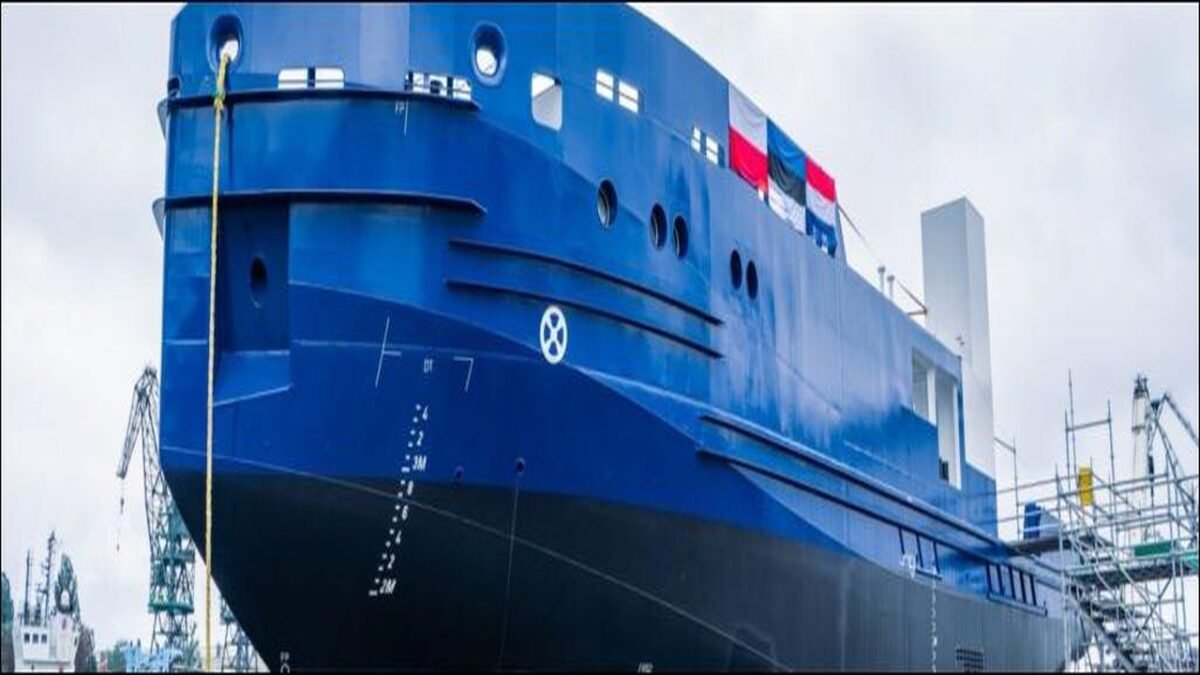
Estonia has taken a significant leap forward in its commitment to sustainable maritime practices, proudly unveiling its new biomethane-battery powered multipurpose state vessel. This innovative vessel, christened the Kratt, represents a pioneering effort in the global shift towards green maritime solutions, setting a new benchmark for eco-friendly vessel design and operation. By integrating advanced biomethane fuel technology with a robust battery-electric propulsion system, Estonia is not only enhancing its national fleet capabilities but also actively contributing to the decarbonization of the shipping industry. This groundbreaking project underscores the nation’s dedication to environmental stewardship and showcases a practical, scalable approach to reducing maritime transport’s carbon footprint. The Kratt is designed for a wide array of essential state functions, proving that operational efficiency and ecological responsibility can coexist. This sophisticated hybrid propulsion system positions Estonia at the forefront of maritime innovation, demonstrating a clear path for other nations looking to invest in sustainable shipping. The vessel’s unveiling is a testament to technological ambition meeting environmental consciousness, offering a tangible solution for cleaner, greener seas.
The Kratt: Pioneering Sustainable Shipping Innovation
The Kratt stands as an emblem of Estonia’s progressive vision for a sustainable future, especially for the Baltic Sea region. This multipurpose state vessel embodies a tangible commitment to minimizing environmental impact while maximizing operational effectiveness. At its core, the vessel champions biomethane, a renewable energy source with a significantly lower carbon footprint than conventional marine fuels. This strategic choice aligns with global efforts to combat climate change and decarbonize the challenging shipping sector. The Kratt also integrates a sophisticated battery-electric propulsion system, providing periods of entirely silent and emission-free operation. This is particularly valuable during sensitive marine research or when operating in environmentally protected zones. The ability to switch to battery power reduces localized pollution, vital for preserving delicate marine ecosystems. This dual-fuel approach optimizes fuel consumption, provides operational flexibility, and enhances the vessel’s reliability, making it a live demonstration of advanced eco-friendly vessel technologies.
Advanced Hybrid Propulsion: How Biomethane and Batteries Power the Future
The engineering marvel behind the Kratt lies in its advanced hybrid propulsion system, seamlessly integrating compressed biomethane with substantial battery-electric capabilities. This system features a powerful 400 kWh battery, working with four efficient 350 kW gas generators. These generators run on biomethane, ensuring the primary energy source is clean and renewable. This configuration allows the vessel to operate with remarkable efficiency and significantly reduced environmental impact, positioning it as a leading low-emission vessel.
The synergy between biomethane and battery power is a cornerstone of the Kratt’s sustainable design. Under normal conditions, the vessel uses biomethane as its main fuel, offering an impressive range of up to 1,000 nautical miles at seven knots. This ensures the Kratt can undertake long-duration missions without frequent refueling. For specific tasks or when maximum environmental sensitivity is required, the vessel can transition to operating solely on battery power. In this all-electric mode, the Kratt can maintain five knots for up to two hours, providing a window for quiet and zero-emission operations near shorelines or in sensitive areas. Furthermore, the robust battery system can supply power for up to 10 hours while at anchor, eliminating the need to run generators and drastically cutting noise and air pollution. This capability is beneficial for marine research, where engine noise can interfere with sensitive acoustic equipment, or during search and rescue operations where a silent approach is advantageous.
The environmental benefits of this hybrid propulsion system are profound. By primarily utilizing renewable biomethane, the Kratt significantly lowers its carbon dioxide emissions compared to vessels running on traditional marine diesel. Additionally, the technology sharply reduces emissions of nitrogen oxides (NOx) and sulfur oxides (SOx). This commitment to cleaner operations directly supports the health of the Baltic Sea ecosystem, a critical priority for Estonia. The vessel’s sophisticated energy management system optimizes power usage, ensuring batteries are charged efficiently, thereby enhancing overall fuel economy and reducing long-term operational costs. This innovative power train showcases cutting-edge maritime innovation and provides a tangible blueprint for other entities pursuing green maritime solutions.
Multipurpose Capabilities for Enhanced Maritime Services
The “multipurpose” designation of the Kratt reflects its integral role in a diverse array of essential state functions vital for Estonia’s maritime safety, environmental protection, and economic well-being. Designed for versatility, the Kratt will be a cornerstone asset for the Estonian State Fleet, undertaking critical tasks from routine maintenance to urgent emergency responses. Its operational profile includes buoy maintenance, ensuring accuracy of navigational aids across Estonian waters, and providing comprehensive fairway services, crucial for maintaining navigable channels for all maritime traffic.
Beyond these foundational services, the Kratt is equipped to perform vital marine research, leveraging its low-emission and quiet operational capabilities to conduct scientific studies. This research will be critical for understanding and protecting the unique ecosystems of the Baltic Sea. In the event of environmental crises, such as oil spills, the vessel’s robust design and rapid deployment capabilities make it an invaluable asset for oil pollution response, minimizing ecological damage through swift containment and cleanup. Its ability to operate on battery power in sensitive areas during such incidents is a significant advantage, reducing further environmental impact. Furthermore, the Kratt will play a crucial role in search and rescue (SAR) operations, acting as a reliable platform for life-saving missions. Its stability, range, and advanced onboard systems ensure effective response to maritime emergencies. The flexibility of its hybrid propulsion system makes it exceptionally well-suited for the dynamic demands of SAR tasks. This suite of capabilities positions the Kratt as a truly indispensable resource, strengthening Estonia’s capacity to respond to complex environmental and safety challenges.
Collaborative Engineering and Estonia’s Green Vision
The successful realization of the Kratt project is a testament to significant international collaboration and strategic investment. Estonian shipbuilder Baltic Workboats played a pivotal role in the vessel’s construction and outfitting. The hull was expertly built at Damen Shipyards Gdańsk, highlighting successful cross-border maritime partnerships. Completed in 2025 and transported to Estonia for final outfitting and systems integration, this €22 million project received substantial funding through the EU’s NextGenerationEU Recovery Fund. This financial backing underscores the European Union’s robust commitment to fostering sustainable development and green technology within the maritime sector. Estonia’s proactive leadership in adopting innovative, low-emission vessel technologies, exemplified by the Kratt, positions it as a vanguard in the global movement towards sustainable shipping. This vessel serves as an inspiring model for other nations and fleets seeking to invest in similar eco-friendly vessel solutions, driving the broader agenda of maritime decarbonization.