DSV Upgrade Potential Rises on High Freight Rates | Mariner News
In the dynamic world of global logistics and freight forwarding, the financial pulse of major players like DSV often serves as a key indicator of economic health and trade flows. Recent market observations point towards a potential DSV stock upgrade, a sentiment largely driven by the persistently high freight rates impacting the global shipping landscape. This optimistic outlook from market analysts signals robust performance and strong underlying fundamentals for the Danish logistics powerhouse, prompting investors and industry observers to scrutinize the factors contributing to this positive re-evaluation. The interplay between heightened demand for shipping services, ongoing supply chain disruptions, and DSV’s strategic market positioning has created a fertile ground for improved financial forecasts and, consequently, a more favorable analyst rating.
DSV, a global leader in transport and logistics solutions, operates across air, sea, and road freight, alongside extensive contract logistics services. Its business model, primarily focused on freight forwarding, is largely asset-light. This means DSV doesn’t own a vast fleet of ships or planes but rather optimizes routes and capacities by negotiating with carriers and then reselling space to shippers. This strategic approach allows DSV to remain agile and adaptable to market fluctuations, effectively leveraging economies of scale and its expansive network. Over the years, DSV has solidified its market position through strategic acquisitions, notably Panalpina and Agility Global Integrated Logistics (GIL), which have significantly expanded its global footprint, service offerings, and market share. These integrations have not only enhanced operational efficiencies but also provided DSV with greater leverage in a competitive industry, enabling it to better serve a diverse client base ranging from small businesses to multinational corporations. Their comprehensive suite of logistics solutions, from warehousing and distribution to specialized project cargo, underpins their robust revenue streams and reinforces their standing as a critical component of global trade infrastructure.
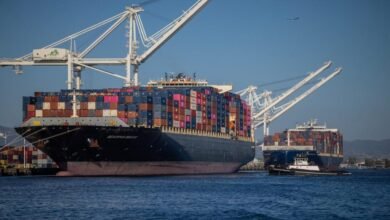
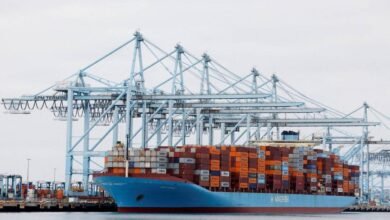
Central to the narrative of a potential DSV upgrade are the elevated global freight rates that have become a defining characteristic of the post-pandemic shipping environment. Various factors contribute to these sustained high costs, including unprecedented consumer demand, port congestion in major shipping hubs, labor shortages across the logistics chain, and geopolitical events that disrupt traditional trade routes. For a freight forwarder like DSV, high freight rates can translate into increased revenue per shipment and potentially wider profit margins, particularly if they possess strong contractual relationships with carriers or efficient dynamic pricing capabilities. While direct carriers (shipping lines) bear the brunt of operational costs associated with owning and maintaining vessels, freight forwarders benefit from the arbitrage between the rates they secure from carriers and the rates they charge their clients. This advantageous position allows DSV to thrive even in a volatile market where shipping capacity remains tight and demand outstrips supply, underpinning a strong financial performance that catches the eye of financial analysts.
Analysts scrutinizing DSV’s performance often delve into several key metrics to justify a potential upgrade. These typically include revenue growth, earnings before interest, taxes, depreciation, and amortization (EBITDA) margins, free cash flow generation, and return on invested capital. DSV’s consistent ability to deliver strong earnings reports, coupled with positive management guidance on future performance, reinforces confidence in its operational efficiency and strategic execution. Factors such as market share gains in critical segments like air and sea freight, effective cost management, and successful integration of acquired businesses also play a pivotal role. The sustainability of current freight rate levels, or at least their persistence at an elevated plateau, provides a crucial backdrop for these improved forecasts. Analysts are particularly keen on DSV’s robust balance sheet and its capacity to generate significant cash, which can be reinvested into technological advancements, further acquisitions, or returned to shareholders, all of which contribute to a higher target price and a positive re-rating.
Navigating the complexities of global supply chain dynamics is a core competency for DSV. The company has invested heavily in digital solutions and enhanced visibility tools to help clients mitigate disruptions and optimize their logistics operations. These technological advancements not only improve efficiency but also provide valuable data insights that empower DSV to offer more tailored and resilient supply chain solutions. Furthermore, with increasing global focus on sustainability, DSV is actively pursuing green logistics initiatives, including optimizing routes to reduce carbon emissions, exploring alternative fuels, and promoting sustainable warehousing practices. These efforts not only align with global environmental goals but also meet the growing demand from clients for environmentally responsible logistics partners. DSV’s proactive approach to innovation and sustainability positions it favorably for future growth, even as freight rates potentially normalize. The company’s ability to adapt to evolving market conditions and consistently deliver value-added services is crucial for its long-term viability and continued leadership in the global logistics sector.
For investors, a potential DSV stock upgrade signals strong confidence in the company’s future earnings power and the effectiveness of its management team. Such an upgrade typically translates into a higher target stock price and can attract further institutional and retail investment, potentially boosting the company’s valuation multiples. The robust performance of the logistics sector, as exemplified by DSV, often serves as a barometer for broader economic activity, indicating healthy global trade volumes. However, investors must also consider potential risks, including an unexpected economic slowdown, intensified competition, or a rapid and sustained decline in freight rates. Despite these considerations, DSV’s strong market positioning, diversified service portfolio, and proven track record of profitable growth present an attractive proposition. The company’s ability to perform well in a challenging yet high-demand environment underscores its resilience and strategic advantages, making it a compelling subject for those tracking the global freight market.
In conclusion, the prospect of a DSV upgrade is a testament to the company’s robust operational capabilities and its strategic advantage in a market buoyed by high freight rates. The confluence of strong global demand for shipping, ongoing supply chain constraints, and DSV’s adept management of its asset-light model has created a powerful tailwind. This positive analyst sentiment, reflecting solid financial performance and a promising outlook, underscores DSV’s critical role in facilitating global trade. As the logistics giant continues to navigate market complexities and embrace innovation, its strategic positioning ensures it remains a key player, poised for continued growth and value creation in the dynamic global freight market.