DP World & WFP Ship Rice to East Africa Combat Hunger | Mariner News
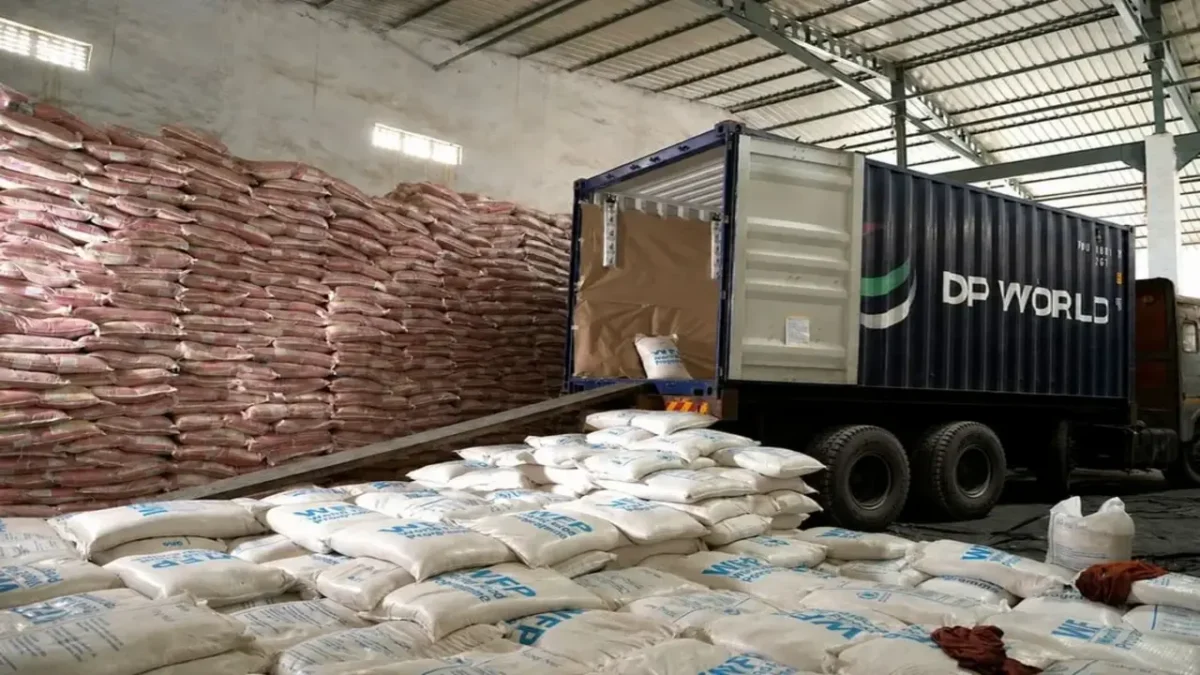
The global challenge of food insecurity demands robust partnerships and efficient logistics, a need powerfully addressed by the recent collaboration between global trade enabler DP World and the United Nations World Food Programme (WFP). This vital alliance recently saw the successful delivery of 5,000 metric tonnes of rice to East Africa, providing critical humanitarian aid to millions facing acute food insecurity in Burundi, the Democratic Republic of Congo (DRC), and Rwanda. This significant shipment underscores the paramount importance of resilient supply chains in strengthening global humanitarian response efforts. The initiative highlights how strategic partnerships overcome complex logistical hurdles to deliver hope and sustenance to communities in urgent need.
A Lifeline for East Africa: Addressing Acute Food Insecurity
The regions of Burundi, the Democratic Republic of Congo, and Rwanda are currently grappling with severe humanitarian crises, where millions face acute food insecurity. These nations are on the front lines of multifaceted challenges, including ongoing conflicts, massive population displacement, and compounding health emergencies. The scale of suffering is staggering, with the DRC alone experiencing one of the world’s largest hunger crises, impacting over 27 million individuals.
Burundi, too, faces immense humanitarian pressure, exacerbated by the influx of families seeking refuge from insecurity in eastern DRC, straining vulnerable communities and local food systems. The critical rice shipments from DP World and WFP are not just commodities; they are a lifeline, integrated directly into WFP’s ongoing emergency food assistance programmes designed to stabilize these precarious situations.
This collaboration provides immediate nutritional support, alleviating immense pressure on local resources and offering a crucial buffer against widespread starvation. By targeting high-need communities, the partners demonstrate a clear commitment to addressing hunger, ensuring food, a fundamental human right, reaches those who need it most. The impact extends beyond caloric intake, fostering stability and hope in areas often defined by uncertainty.
Strengthening Humanitarian Supply Chains Through Strategic Partnership
At the heart of this impactful delivery lies a pro-bono arrangement where DP World generously covered a significant portion of the ocean freight costs from India to East Africa. This commitment highlights DP World’s dedication to corporate social responsibility and its understanding of logistics’ critical role in humanitarian missions. Such arrangements are invaluable, allowing organizations like the WFP to maximize resources, channeling more funds directly into aid distribution.
DP World’s extensive global network and advanced logistics capabilities were instrumental in this mission’s success. The essential food supplies were transported via DP World’s Shipping Solutions business, formerly Unifeeder, a testament to its comprehensive range of services. This division specializes in seamless maritime transportation, ensuring complex cargo, like thousands of metric tonnes of rice, can be moved efficiently and reliably across continents.
The journey began at DP World’s state-of-the-art Mundra Terminal in India, a hub known for operational excellence. From there, the vital consignments embarked on their sea voyage to DP World’s strategically located Port of Dar es Salaam in Tanzania. This meticulously planned route exemplifies how world-class port infrastructure and integrated logistics solutions are pivotal in strengthening global humanitarian supply chains, making them more robust and effective in times of crisis.
The Journey of Hope: From India to Vulnerable Communities
The intricate logistical journey of these 5,000 metric tonnes of rice underscores the sophistication required for large-scale humanitarian operations. Beginning at DP World’s bustling Mundra Terminal in India, the rice was carefully loaded onto vessels operated by DP World’s Shipping Solutions, commencing its significant maritime leg across the Indian Ocean. This segment demanded meticulous planning for safe and timely arrival.
Upon reaching the Port of Dar es Salaam in Tanzania, a critical gateway for East African aid, the cargo underwent efficient offloading facilitated by DP World’s expert port management teams. Dar es Salaam’s robust infrastructure and strategic location make it an ideal entry point for humanitarian assistance destined for landlocked neighbors. The seamless transition from sea to land transport is a testament to DP World’s integrated operations, facilitating global aid flows.
From Dar es Salaam, the World Food Programme took over. Utilizing its extensive regional logistics network, WFP orchestrated the crucial overland transportation of the rice to its final destinations: Burundi, the Democratic Republic of Congo, and Rwanda. This final leg often involves navigating challenging terrains, highlighting WFP’s unparalleled expertise in last-mile delivery. The entire process, from origin to recipient, showcases a powerful synergy between commercial logistics and humanitarian dedication.
DP World and WFP: A Collaborative Model for Global Humanitarian Response
The partnership between DP World and the World Food Programme stands as a shining example of how private sector innovation and global humanitarian efforts can converge to address pressing challenges. This collaboration extends beyond a single shipment; it represents a shared vision for enhancing global food security and building resilient communities. DP World’s involvement demonstrates a profound commitment to corporate social responsibility, leveraging its core business competencies for the greater good.
This unique pro-bono arrangement not only reduced operational costs for the WFP but also showcased the power of shared expertise. DP World brings unparalleled proficiency in global logistics, port management, and supply chain optimization, while WFP contributes its extensive on-the-ground knowledge of humanitarian aid distribution and community engagement. Together, they form a formidable team navigating complex landscapes and delivering vital resources where most critically needed.
The synergy created by this partnership provides a replicable model for other organizations seeking to make a tangible impact on global humanitarian crises. By streamlining the delivery of essential food supplies, this collaboration directly contributes to the WFP’s mission to achieve Zero Hunger. It illustrates that effective solutions often emerge from cross-sectoral alliances that harness diverse strengths and a common purpose, creating sustainable pathways for support.
Combating Global Hunger: The Urgent Need for Action
The delivery of 5,000 metric tonnes of rice to East Africa, while a significant achievement, also serves as a poignant reminder of the pervasive and urgent challenge of global hunger. Millions continue to face acute food insecurity worldwide, a crisis exacerbated by climate change, economic instability, and ongoing conflicts. The statistics from the DRC, where over 27 million people are food insecure, paint a stark picture of the scale of human suffering that still demands immediate and sustained international attention.
Addressing this multifaceted crisis requires more than just emergency aid; it necessitates a concerted, long-term commitment from governments, non-governmental organizations, and the private sector. Partnerships like the one between DP World and the World Food Programme are crucial not only for their immediate impact but also for setting precedents and demonstrating effective strategies for systemic change. They highlight the potential for innovative logistical solutions to underpin broader food security initiatives.
The mission’s success emphasizes investing in robust infrastructure and adaptable supply chains that efficiently deliver aid to remote regions. It reinforces the idea that access to food is a fundamental human right, and collective action is essential to uphold it. Expanding such collaborations is vital to move towards a future where fewer people suffer from hunger and malnutrition, fostering global stability and prosperity.
Conclusion
The successful delivery of 5,000 metric tonnes of essential rice to East Africa by DP World and the World Food Programme stands as a powerful testament to the impact of strategic humanitarian partnerships. This collaborative effort has not only provided vital food assistance to vulnerable communities in Burundi, the Democratic Republic of Congo, and Rwanda but has also significantly strengthened the efficiency and resilience of global humanitarian supply chains. By leveraging DP World’s extensive logistical expertise and WFP’s on-the-ground distribution network, this initiative underscores a shared commitment to combating acute food insecurity. As global challenges persist, the DP World and WFP model offers hope, demonstrating that through innovative collaboration and dedication to human welfare, we can work towards a world free from hunger, ensuring essential food supplies reach everyone.