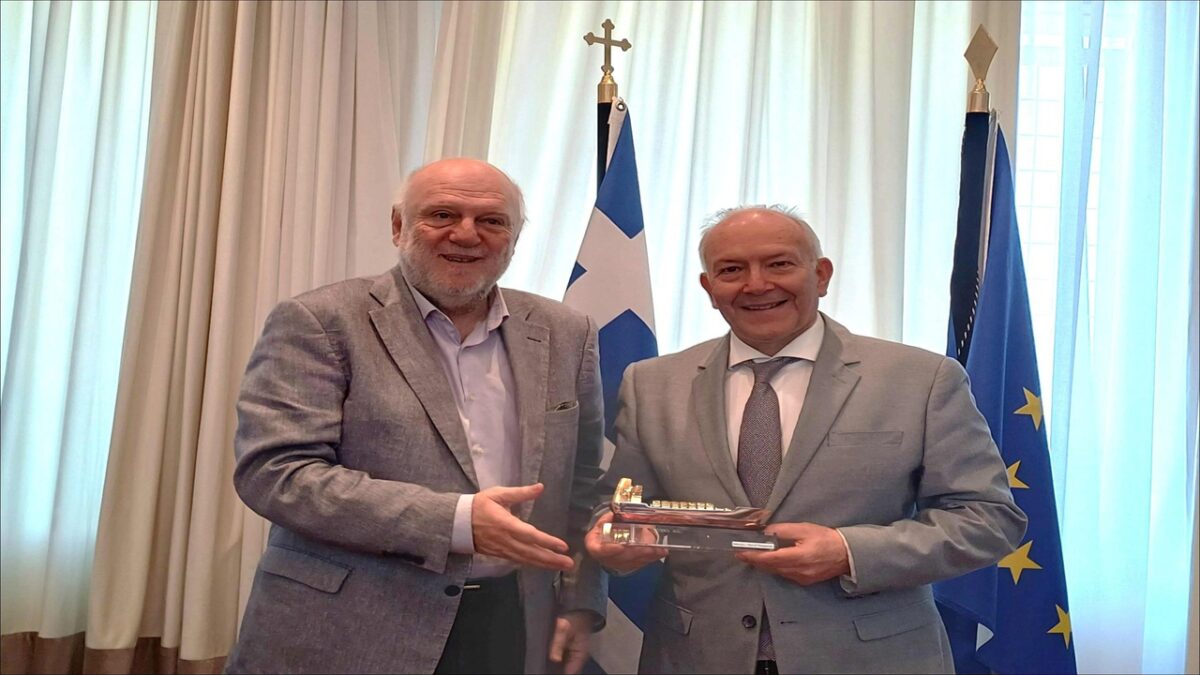
Deputy Minister Gkikas Tours Thessaloniki Port & Pier 6 | Mariner News
The Port of Thessaloniki, a vital gateway for trade and economic development in Southeastern Europe, recently hosted a significant visit from the Deputy Minister of Maritime Affairs and Insular Policy, Mr. Stefanos Gkikas. This high-profile tour underscored the government’s commitment to enhancing Greece’s maritime infrastructure and bolstering its strategic position on the global logistics map. The Deputy Minister’s visit to ThPA S.A., the managing authority of the Port of Thessaloniki, was part of a broader series of engagements with key institutional and productive bodies across Central Macedonia, highlighting the port’s pivotal role in the region’s prosperity and its connection to national maritime policy objectives.
During his time at the Port of Thessaloniki facilities, Mr. Gkikas was warmly welcomed by Dr. Ioannis Tsaras, the Chief Executive Officer of ThPA S.A., along with other senior executives. This visit provided a crucial platform for direct dialogue between government officials and port management, enabling a comprehensive review of the ongoing developments and future aspirations for this critical shipping hub. The discussions focused intensely on ThPA S.A.’s ambitious long-term investment program, which is meticulously designed to transform the Port of Thessaloniki into a modern, highly competitive, and sustainable hub for combined transport and tourism across Southeastern Europe. This strategic vision is not merely about expanding physical infrastructure but also about embracing innovation, sustainability, and efficiency to meet evolving global trade demands.
Strategic Vision for Thessaloniki Port’s Future
ThPA S.A.’s long-term investment program represents a monumental commitment to modernizing and expanding the Port of Thessaloniki, aiming to solidify its status as a premier logistics gateway. The strategic initiatives detailed to Deputy Minister Gkikas encompass a wide array of projects, from enhancing existing facilities to integrating cutting-edge technologies. These investments are crucial for ensuring the port’s operational efficiency, increasing its capacity, and improving its environmental footprint, all while supporting sustainable economic growth for the region and the wider national economy.
Central to this vision is the emphasis on developing a robust combined transport ecosystem. This involves optimizing the seamless transfer of goods between sea, rail, and road networks, thereby reducing transit times, lowering logistical costs, and improving the overall efficiency of the supply chain. The port’s geographical advantage at the crossroads of major trade routes positions it perfectly to serve as a multimodal logistics nexus connecting the Balkans, Central Europe, and beyond. This ambitious program also includes investments in digital transformation, aiming to implement smart port solutions that will streamline operations, enhance security, and provide real-time data for better decision-making.
Furthermore, the plan integrates significant sustainability initiatives, reflecting a global shift towards greener maritime operations. These efforts include projects focused on reducing carbon emissions, improving waste management, and adopting renewable energy sources within the port’s operations. By becoming a sustainable port, Thessaloniki aims to set a benchmark for environmental responsibility while maintaining its competitive edge. The management’s presentation articulated how these multifaceted investments would not only expand the port’s physical capabilities but also foster a resilient and future-proof maritime infrastructure, capable of adapting to future challenges and opportunities in global trade.
The Transformative Impact of Pier 6 Expansion
The Pier 6 Expansion Project stands as the absolute priority within ThPA S.A.’s comprehensive development plan, a testament to its decisive importance for the future of Thessaloniki, Northern Greece, and the national economy. This massive infrastructure undertaking is designed to substantially enhance the Port of Thessaloniki’s capacity, fundamentally transforming its capabilities to handle increased cargo volumes, particularly container traffic. The project’s successful completion will create the necessary conditions for Thessaloniki to play an even stronger, more influential role in connecting the markets of the Balkans and Central Europe, positioning it as a critical node in international supply chains.
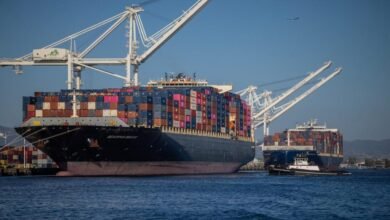
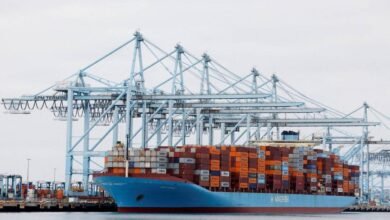
The expansion of Pier 6 involves extending the existing quay, deepening the berths, and acquiring new, state-of-the-art gantry cranes and yard equipment. These enhancements will significantly increase the port’s operational throughput, allowing it to accommodate larger vessels and more frequent services, thereby boosting its competitiveness against other regional ports. The project is meticulously planned to optimize cargo handling processes, ensuring faster turnaround times for ships and more efficient onward distribution of goods. This focus on efficiency and capacity is paramount for a port aspiring to be a leading hub for intermodal transport.
Beyond just containers, the expanded Pier 6 will also cater to the growing demand for general cargo and specialized logistics services, diversifying the port’s offerings and attracting new trade flows. The strategic importance of this project cannot be overstated; it is a catalyst for economic growth, job creation, and increased foreign investment in the region. By facilitating greater trade volumes and enhancing logistical connectivity, Pier 6 will underpin the economic vibrancy of Northern Greece, driving development in various sectors from manufacturing to tourism. The long-term benefits extend to improving the national balance of trade and strengthening Greece’s overall economic resilience within the European Union and the broader Mediterranean basin.
Enhancing Regional Connectivity and Economic Growth
The Port of Thessaloniki’s development, particularly through the Pier 6 Expansion, is intrinsically linked to enhancing regional connectivity and fostering robust economic growth across Southeastern Europe. As a critical maritime gateway, the port serves as a linchpin in the transportation network that bridges Asia and Europe, facilitating trade for landlocked countries in the Balkans and Central Europe. The increased capacity and efficiency resulting from these investments will significantly improve the flow of goods, making the port a more attractive option for shippers and logistics providers seeking reliable and cost-effective routes.
The improvements in combined transport capabilities, integrating sea, rail, and road, will reduce bottlenecks and improve supply chain resilience for businesses operating in the wider region. This enhanced connectivity stimulates economic activity by supporting export-oriented industries, facilitating imports essential for manufacturing, and promoting regional trade partnerships. The port’s role extends beyond mere cargo handling; it acts as an economic multiplier, creating direct and indirect employment opportunities across various sectors, from logistics and warehousing to maritime services and local industries.
Moreover, the strategic development of the Port of Thessaloniki reinforces Greece’s geopolitical importance as a key player in European and global trade. By strengthening its maritime infrastructure, Greece can leverage its unique geographical position to become a pivotal logistics and energy hub, attracting further investment and fostering greater economic integration within the region. The vision for the port transcends national borders, aiming to create a seamless, efficient, and sustainable transport corridor that benefits all nations within its sphere of influence, driving collective prosperity and strengthening regional ties through commerce.
Insights from the Deputy Minister’s Tour and Key Discussions
During his comprehensive visit, Deputy Minister Gkikas gained firsthand insight into the port’s operations and development progress. The tour included a visit to the Hellenic Coast Guard facilities within the port area, underscoring the vital role of maritime security and safety in maintaining efficient port operations and protecting national interests. He also had the opportunity to tour the landmark PAEGA building and engage in discussions with Deloitte employees, likely touching upon areas of operational consulting, digital transformation, and strategic planning that support the port’s modernization efforts.
A significant highlight of the Deputy Minister’s itinerary was his visit to the construction site of Pier 6. Witnessing the progress of the construction works firsthand, Mr. Gkikas expressed his admiration for the scale and ambition of the project. This direct observation provided a tangible appreciation for the complex engineering and significant investment involved, reaffirming the government’s support for such critical national infrastructure initiatives. The discussions held during this segment also focused intently on the pressing need to accelerate the completion of crucial projects for the seamless connection of Pier 6 with the national rail and road networks. These connectivity projects are paramount to unlocking the full potential of the expanded pier, ensuring that cargo can be efficiently moved to and from the port’s hinterland.
Furthermore, the dialogue addressed current operating conditions that impact the efficiency of Greece’s largest conventional port and a port with a strong export orientation. This included discussions on bureaucratic processes, regulatory frameworks, and any challenges that could hinder the port’s ability to operate at its optimal level. Addressing these operational hurdles is essential for maintaining the port’s competitiveness and ensuring it continues to serve effectively as a crucial gateway for Greek exports and imports, directly impacting the national economy and its position in international trade.
The Future of Maritime Logistics in Southeastern Europe
The Port of Thessaloniki, with its ambitious development plans centered around the Pier 6 Expansion, is poised to become an even more indispensable player in the future of maritime logistics in Southeastern Europe. The strategic investments being made are not just about increasing physical capacity but about fundamentally reimagining how goods move through the region, leveraging technological advancements, and embracing sustainable practices. This holistic approach ensures that the port remains competitive, adaptable, and relevant in a rapidly evolving global trade landscape, which increasingly demands efficiency, reliability, and environmental responsibility from its key transport nodes.
Looking ahead, the port’s enhanced capabilities will significantly contribute to the broader economic integration of the region, fostering greater trade cooperation and attracting new logistical partners. By strengthening its intermodal connections, embracing digitalization, and committing to environmental sustainability, Thessaloniki aims to set a new standard for port operations in the Mediterranean and Black Sea regions. The ongoing dialogue between government bodies like the Deputy Ministry of Maritime Affairs and port authorities like ThPA S.A. is crucial for aligning national policy with local development initiatives, ensuring that the Port of Thessaloniki’s growth contributes meaningfully to Greece’s overall maritime strategy and economic prosperity.
Ultimately, the vision is for the Port of Thessaloniki to serve as a beacon of modern maritime infrastructure, a hub where efficient cargo flow meets sustainable practices, and where regional economic potential is fully realized. This concerted effort will not only elevate Thessaloniki’s standing as a premier shipping hub but also reinforce Greece’s position as a vital conduit for international trade, thereby contributing significantly to global supply chain resilience and fostering sustained economic growth across Southeastern Europe for decades to come.