Core Power Aims for First US Nuclear Ship by 2028 | Mariner News
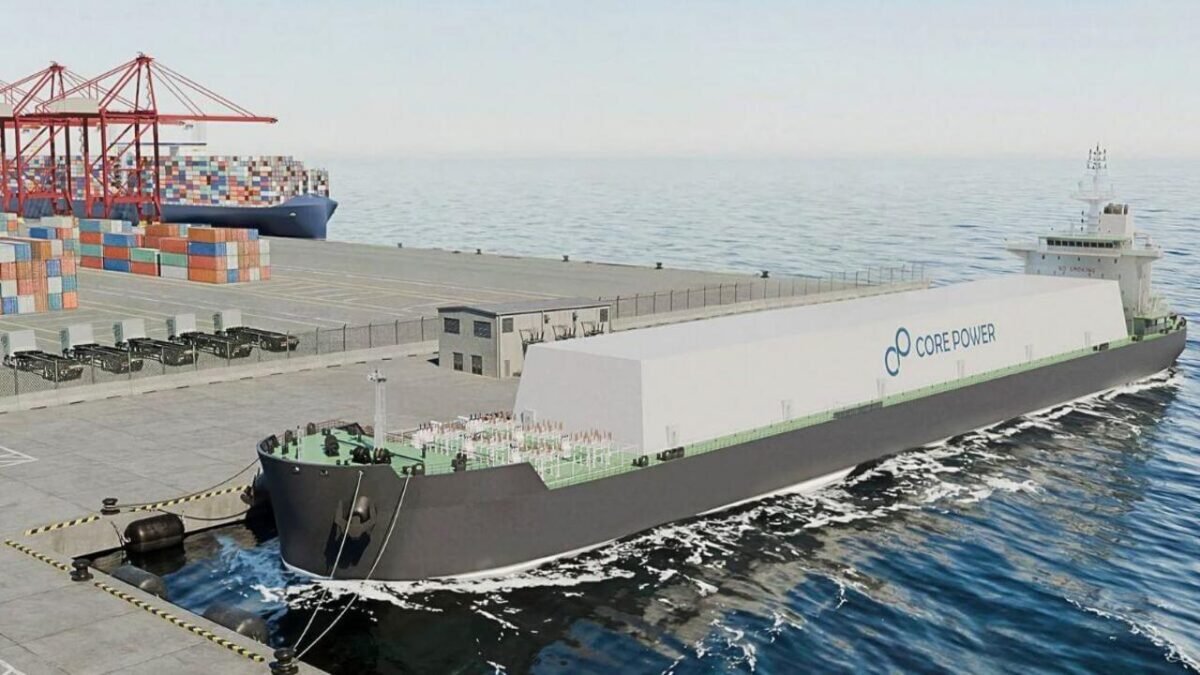
Core Power, a UK-based maritime nuclear developer, has announced an ambitious target to begin construction of its first US-flagged nuclear-powered ship from 2028. This significant development follows a new cooperation agreement with the US Maritime Administration (MARAD), aiming to accelerate the integration of advanced propulsion systems into the American commercial fleet. The initiative highlights a strategic push towards sustainable maritime transport and enhanced energy independence for the nation.
Tackling Operational Hurdles
The agreement between Core Power and MARAD is specifically designed to systematically address the multifaceted practical challenges inherent in commercial nuclear shipping. These critical hurdles span a wide range of operational, regulatory, and financial aspects that are essential for the successful deployment of such vessels.
Key areas of focus include establishing robust regulatory frameworks for nuclear-powered ships, ensuring safe and efficient port operations, and developing highly specialized crew training programs tailored for the unique requirements of nuclear propulsion systems. Furthermore, the collaboration will work through complexities related to nuclear fuel sourcing, comprehensive insurance coverage, and securing the necessary financing models for these capital-intensive projects.
Strategic Development and Infrastructure
Core Power plans to establish a dedicated facility within the United States. This strategic US presence will serve as a hub for nuclear integration and the complete lifecycle management of these advanced marine power systems.
While the specialized nuclear components will be handled at this US site, conventional shipbuilding aspects of the vessels could be carried out at existing commercial shipyards. These conventional shipbuilding operations are not limited to the US, with potential involvement from allied countries, leveraging global shipbuilding capabilities and expertise.
Ambitious Targets and Readiness
It is important to note that Core Power’s 2028 construction target represents its own corporate ambition. This timeline is not presented as a firm commitment from MARAD, underscoring the distinction between private sector initiative and governmental endorsement.
The ultimate realization of this project remains contingent upon the successful achievement of several critical readiness factors. These include securing robust regulatory approvals, developing favorable commercial conditions, and ensuring sufficient industrial preparedness across the entire supply chain.
Mikal Bøe, CEO of Core Power, emphasized the collaborative effort required for such an undertaking. “CORE POWER is targeting first construction starts from 2028,” Bøe stated. “Government can set the direction and coordinate; private industry must move the money and the steel.” He added, “We are honored to be working with MARAD on this landmark program,” highlighting the strategic importance of the partnership in driving forward nuclear maritime propulsion.
Broader Industry Engagement
This collaboration with MARAD is part of Core Power’s broader engagement within the US maritime sector. Recently, the company also announced a partnership with the Port of Corpus Christi Authority. This previous collaboration focuses on studying the feasibility and implications of integrating nuclear energy solutions within a major US port environment.
These partnerships collectively signal Core Power’s strategic intent to lay foundational groundwork across various maritime stakeholders, preparing the industry for the eventual integration of advanced nuclear propulsion. While significant challenges remain, Core Power’s clear timeline and strategic collaborations indicate a determined push towards a future where nuclear-powered vessels could reshape global shipping and significantly reduce its environmental footprint.