Cool Carriers takes Snow Land with world-first gate rudder

Cool Carriers takes delivery of Snow Land, using gate rudder tech to cut fuel use by 20% and CO2 by 50% in the specialized reefer trade.
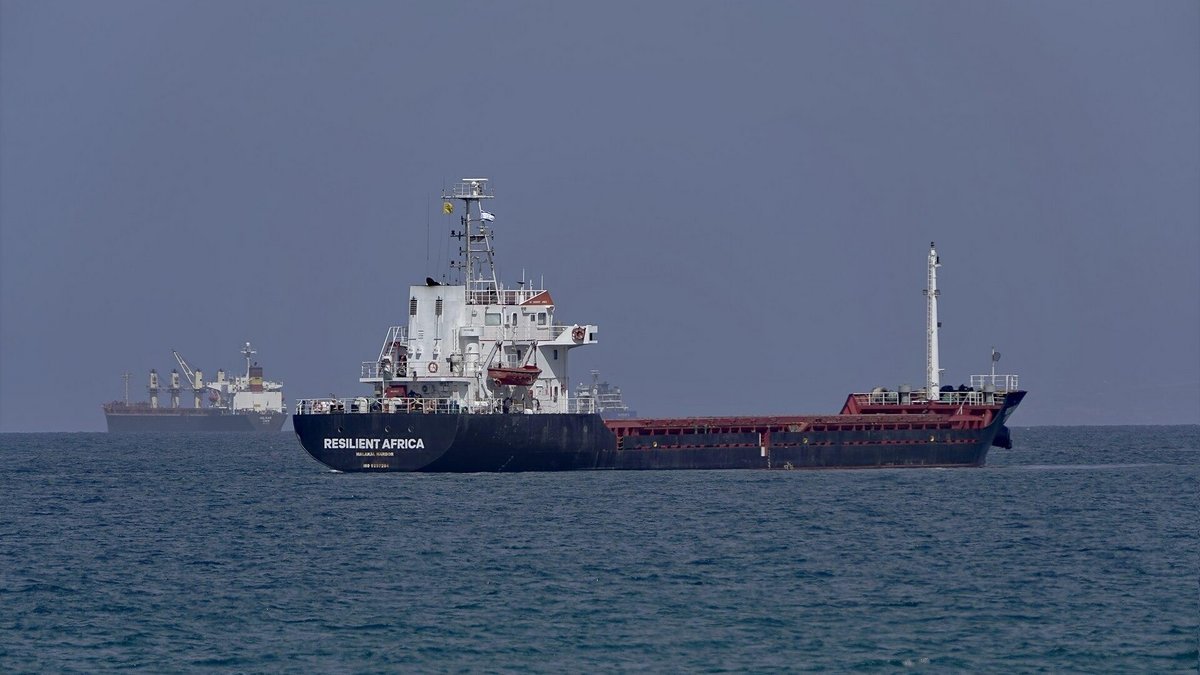
Cool Carriers has taken delivery of Snow Land, the world’s first specialized refrigerated vessel to use a gate rudder, a technology that targets a 20% reduction in fuel consumption. The delivery from Japan’s Kitanihon Shipbuilding on November 12, 2026, provides the operator with a high-efficiency platform to design exclusive itineraries and meet decarbonisation goals.
Kitanihon Shipbuilding delivered the ice-class vessel as the third in a seven-ship Snow-class newbuilding programme. The gate rudder system replaces the traditional single rudder behind the propeller with two high-lift foil rudders on either side. Wärtsilä, which licenses the technology, reports that the configuration generates additional forward thrust from water flow, allowing the 162.5-metre vessel to maintain its service speed of approximately 18 knots with less fuel.
Snow Land provides 18,710 cubic metres of refrigerated capacity across eight cooling zones. The vessel can also carry 168 forty-foot refrigerated containers on deck, following sister ships Snow Flower and Snow Flake into service.
Why it matters
The 20% fuel saving and 50% reduction in carbon dioxide intensity change the economics of the specialized reefer trade. The Snow-class design uses heavy fuel oil while remaining approximately 50% below the Energy Efficiency Design Index reference level for its size. This efficiency allows Cool Carriers to maintain a high service speed—essential for perishable cargo—without the traditional fuel penalty associated with specialized hulls.
The vessel’s eight cooling zones allow for a mix of fresh and frozen products ranging from -25°C to 15°C on a single voyage. This flexibility, combined with the improved berthing maneuverability provided by independent control of each rudder blade, allows the operator to offer a higher standard of service at ports with challenging access. For charterers and cargo owners, these technical gains translate into more versatile shipping options that align with tightening environmental regulations.
What to watch
Cool Carriers expects the remaining four Snow-class vessels to join its fleet over the next two years, completing the seven-ship programme by late 2028.