Adani Krishnapatnam Port deploys 288 electric vehicles in fleet overhaul

Adani Krishnapatnam Port replaces diesel equipment with 288 electric vehicles, moving toward a carbon-neutral operational model.
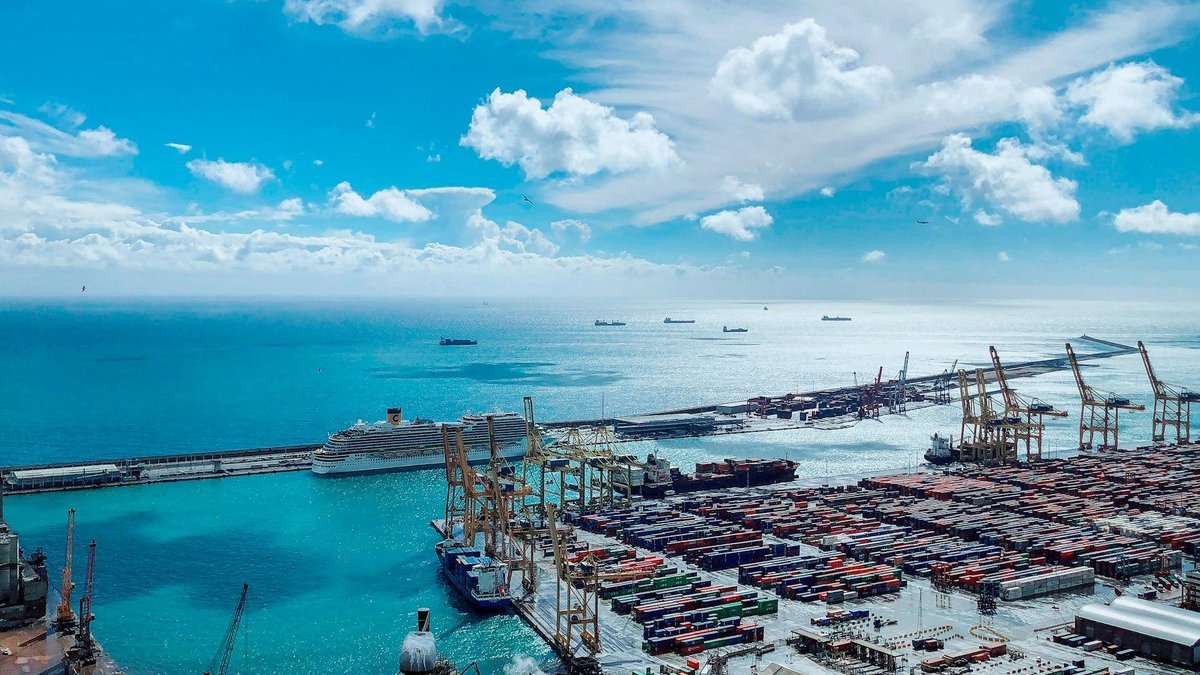
Adani Krishnapatnam Port Limited has deployed 288 electric vehicles to replace diesel-powered equipment, signaling a shift toward industrial-scale electrification that will soon see nearly 500 EVs operating at the terminal.
The new fleet at the Nellore-based facility includes 170 electric trucks, 108 loaders, six excavators, and four internal transfer vehicles. Adani Krishnapatnam Port Limited (AKPL) expects another 193 electric vehicles to join the fleet shortly.
CEO Jagdish Patel stated the port is executing a phased replacement of conventional diesel equipment to improve energy efficiency and reach carbon neutrality.
Why it matters
The scale of this deployment moves electrification from a pilot phase to a core operational requirement. For shipowners and charterers, this transition likely alters the terminal’s cost structure and energy reliability. Replacing diesel engines with electric alternatives at this volume suggests Adani is betting on lower long-term maintenance and fuel costs to maintain its competitive edge in the region.
Port users and cargo owners increasingly demand lower Scope 3 emissions. By swapping out nearly 300 pieces of heavy equipment, AKPL is positioning itself as the preferred hub for international traders with strict environmental mandates. This shift forces a choice on neighboring terminals: invest in similar infrastructure or risk losing high-value contracts to a more efficient, electrified competitor.
The move also signals a change in port logistics infrastructure. Managing a fleet of this size requires significant charging capacity and grid stability. This investment indicates that the port has secured the necessary power supply to keep cargo moving without the interruptions that can plague diesel supply chains during price spikes or shortages.
What to watch
The delivery and integration of the remaining 193 electric vehicles will confirm whether the port can maintain operational speed while managing a fully electrified ground fleet.