Baltic Shipping Adds Wind-Assisted Hybrid Vessels | Mariner News
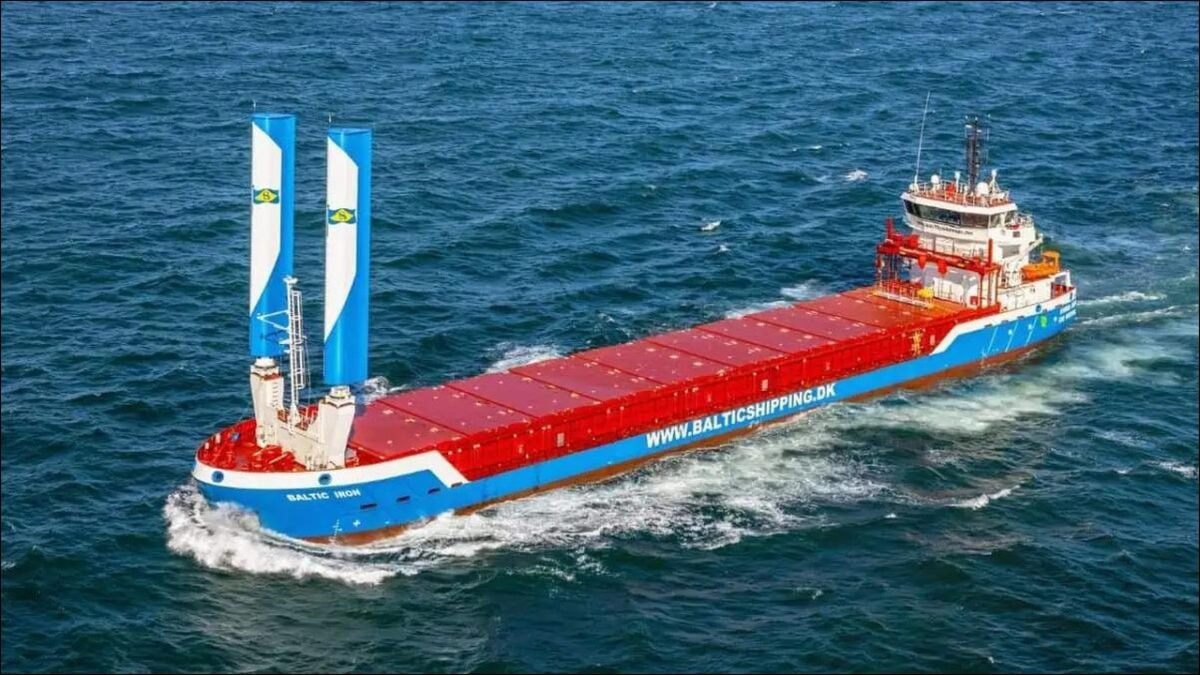
In a significant stride towards fostering a more sustainable future for maritime transport, Baltic Shipping Company has proudly announced the integration of two cutting-edge wind-assisted vessels into its operational fleet. Named the Baltic Iron and Baltic Timber, these new additions represent a substantial leap in the company’s commitment to environmental stewardship and operational efficiency. Equipped with advanced wind propulsion systems and state-of-the-art battery technology, these hybrid vessels are poised to redefine green shipping in the European shortsea market.
Their deployment marks a pivotal moment, showcasing readily available solutions for reducing fuel consumption and minimizing carbon emissions across the shipping industry. This strategic enhancement aligns perfectly with the global imperative to decarbonize maritime operations, positioning Baltic Shipping Company as a frontrunner in embracing eco-friendly propulsion technologies.
Pioneering Sustainable Maritime Operations in Europe
The unveiling of the Baltic Iron and Baltic Timber is more than just a fleet expansion; it signifies Baltic Shipping Company’s proactive stance in addressing the pressing environmental challenges facing the global maritime sector. Both 3,550 DWT coasters have been meticulously designed to operate with a minimal ecological footprint, with the Baltic Timber commencing operations swiftly followed by its sister vessel, the Baltic Iron. This strategic acquisition underscores a clear dedication to enhancing environmental performance while maintaining robust logistical capabilities for the European shortsea market.
As the shipping industry grapples with increasingly stringent environmental regulations and pressure for greener operations, Baltic Shipping Company’s investment in these advanced wind-assisted vessels provides a tangible model for sustainable growth. Their decision reflects foresight into the future of maritime transport, where energy efficiency and reduced emissions are fundamental business imperatives.
By integrating these pioneering ships, the company is not only improving its own operational sustainability but also setting a precedent for other maritime entities, proving that economic viability and environmental responsibility can coalesce effectively in sustainable shipping.
Unpacking the Innovative Wind-Assisted Propulsion Technology
At the core of the Baltic Iron and Baltic Timber’s eco-friendly design lies Econowind’s revolutionary VentoFoils wind propulsion system. Each vessel is outfitted with two of these cutting-edge, automated sails that harness the abundant power of wind to provide additional thrust. This ingenious wind-assisted propulsion significantly reduces the power required from the ships’ main engines, directly translating into a substantial decrease in bunker fuel consumption.
According to Baltic Shipping Company, these state-of-the-art VentoFoils are projected to slash fuel usage by an impressive 12 percent, offering considerable operational savings and a noticeable reduction in the carbon footprint of each voyage.
The VentoFoils function by creating aerodynamic lift, propelling the vessel forward with less reliance on conventional fossil fuels. This elegant solution capitalizes on a free, renewable energy source, minimizing the release of harmful greenhouse gases such as CO2 into the atmosphere. The integration of such advanced green shipping technology is a testament to the industry’s evolving landscape, moving towards a more holistic, environmentally conscious approach.
The Synergy of Hybrid Power: Wind and Battery Integration
Complementing the innovative wind-assisted propulsion systems, both the Baltic Iron and Baltic Timber are equipped with substantial battery packs, officially classifying them as cutting-edge hybrid vessels. This integrated battery technology plays a crucial role in optimizing the overall energy management onboard, further enhancing the vessels’ efficiency and environmental credentials.
The large battery packs work in tandem with the VentoFoils, providing a robust solution for energy storage and distribution. This synergy allows for peak shaving, where the batteries can supply power during periods of high demand, reducing the strain on the main engines and preventing sudden spikes in fuel consumption. Conversely, when the main engines are operating at optimal efficiency or when excess power is generated, the batteries can be recharged, storing renewable energy for later use.
This intelligent energy management system significantly improves operational flexibility and resilience, aligning with the goals of maritime sustainability. As CEO Ronnie Hulstrøm noted, “The combination of VentoFoils and a large battery pack represents an important step towards more energy-efficient shipping. It demonstrates what can already be achieved with technologies available today,” highlighting the practical applicability of these renewable energy integration solutions.
Strategic Impact on Decarbonizing the Shipping Industry
The strategic deployment of the Baltic Iron and Baltic Timber sends a powerful message to the entire global shipping industry. While focused on the European shortsea market, their success serves as a tangible example of how the challenging transition to decarbonize maritime transport can be approached with practical, deployable technologies. It illustrates that sustainable shipping solutions are not merely aspirational but are already operational and delivering measurable benefits.
The adoption of wind-assisted vessels and hybrid propulsion systems presents a viable pathway for other shipping companies worldwide to embark on their own journeys towards a greener future. This move also highlights the increasing demand from cargo owners and regulatory bodies for transparent, eco-friendly propulsion in supply chains.
Businesses investing in energy efficiency gain a competitive advantage by aligning with these evolving market expectations. The long-term economic benefits, including reduced fuel costs and enhanced brand reputation, underscore the strategic wisdom of such investments. Baltic Shipping Company’s leadership inspires confidence in the industry’s capacity to innovate and adapt, fostering a collective movement towards cleaner, more sustainable global trade.
The successful operation of the Baltic Iron and Baltic Timber marks a monumental achievement for Baltic Shipping Company and a beacon for the entire maritime sector. These state-of-the-art wind-assisted vessels, equipped with Econowind’s VentoFoils and robust battery packs, are setting new standards for sustainable shipping by significantly reducing fuel consumption and CO2 emissions.
Baltic Shipping Company’s commitment to integrating advanced eco-friendly propulsion technologies underscores its dedication to environmental stewardship and operational excellence within the European shortsea market. As the global shipping industry continues its urgent transition towards decarbonization, the practical application and proven efficiency of these hybrid vessels provide a compelling blueprint for others to follow. This pioneering move not only enhances Baltic Shipping Company’s fleet but also contributes significantly to the broader movement for a greener, more resilient future for maritime transport, demonstrating what can be achieved when innovation meets a strong commitment to maritime sustainability.