

Audi and Hyundai investments anchor Georgia as US automotive hub
Georgia Ports Authority commits $5 billion to infrastructure as Audi, Hyundai, and Rivian build major manufacturing hubs near Brunswick and Savannah.
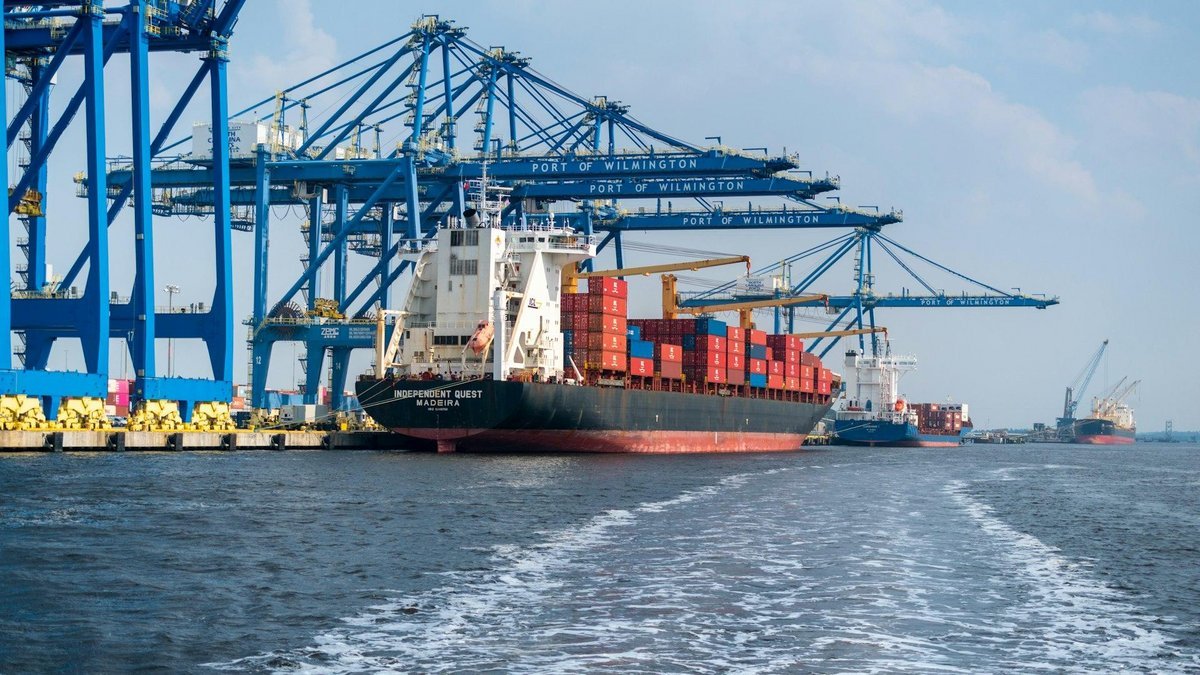
Georgia is cementing its position as the premier US automotive gateway as Audi joins Hyundai and Rivian in a manufacturing boom that will drive a $5 billion infrastructure overhaul at the state’s ports. The Georgia Ports Authority (GPA) confirmed the investment plan over the next decade to meet rising demand from global automakers establishing massive production footprints in the region.
Audi plans to invest $4 billion in its first US plant near Macon, with construction scheduled to begin in 2027 and production starting in the early 2030s. This follows Hyundai Motor Group’s Metaplant at Ellabell, a 3,000-acre site expected to create 8,500 jobs by 2031, and Rivian’s $5 billion plant at Stanton Springs North. These facilities join Kia’s existing flagship plant in West Point, which has operated since 2009.
The Port of Brunswick currently serves as a primary hub for finished vehicle shipments and processing for brands including BMW, Mercedes-Benz, and Volvo. To the east, the Port of Savannah handles containerised auto parts through 40 vessel calls a week and its Mason Mega Rail facility, which moves 42 double-stack trains weekly via Norfolk Southern and CSX.
Why it matters
For RoRo carriers and vehicle processors, the concentration of Audi, Hyundai, and Rivian plants means the Port of Brunswick is evolving from a regional distribution point into a structural manufacturing anchor. The sheer scale of these investments suggests a long-term shift in vessel deployment patterns toward the US Southeast, as manufacturers seek to shorten the distance between assembly lines and export berths.
Container lines serving Savannah will see a more resilient cargo base as the influx of 22 Hyundai suppliers and other parts manufacturers creates a consistent flow of intermediate goods. This industrial activity balances the port’s traditional reliance on consumer retail imports. The $5 billion GPA infrastructure commitment ensures that terminal capacity and inland rail links will keep pace with the 15,000 daily truck gate transactions currently recorded at Savannah.
The integration of on-dock rail and direct interstate access provides a hedge against inland logistics bottlenecks. By locating plants within 30 miles of the port, as Hyundai has done, automakers are effectively insulating their supply chains from the volatility of long-haul trucking markets. This proximity allows for a high-velocity parts-to-production cycle that benefits both terminal operators and logistics providers through predictable, high-volume throughput.
What to watch
The start of construction at Audi’s Macon plant in 2027 will be the next major indicator of how quickly RoRo and container demand will scale in the region. Maritime professionals should also monitor the delivery of GPA’s $5 billion infrastructure projects to ensure terminal efficiency matches the production ramp-ups scheduled for 2030 and 2031.
Source: Container News