

Atlantic Asphalt owners face $1m suit as New Orleans allision goes viral
The Atlantic Asphalt allision in New Orleans spiked global attention. Mariner News analyzes why the owners risk losing control of the narrative.
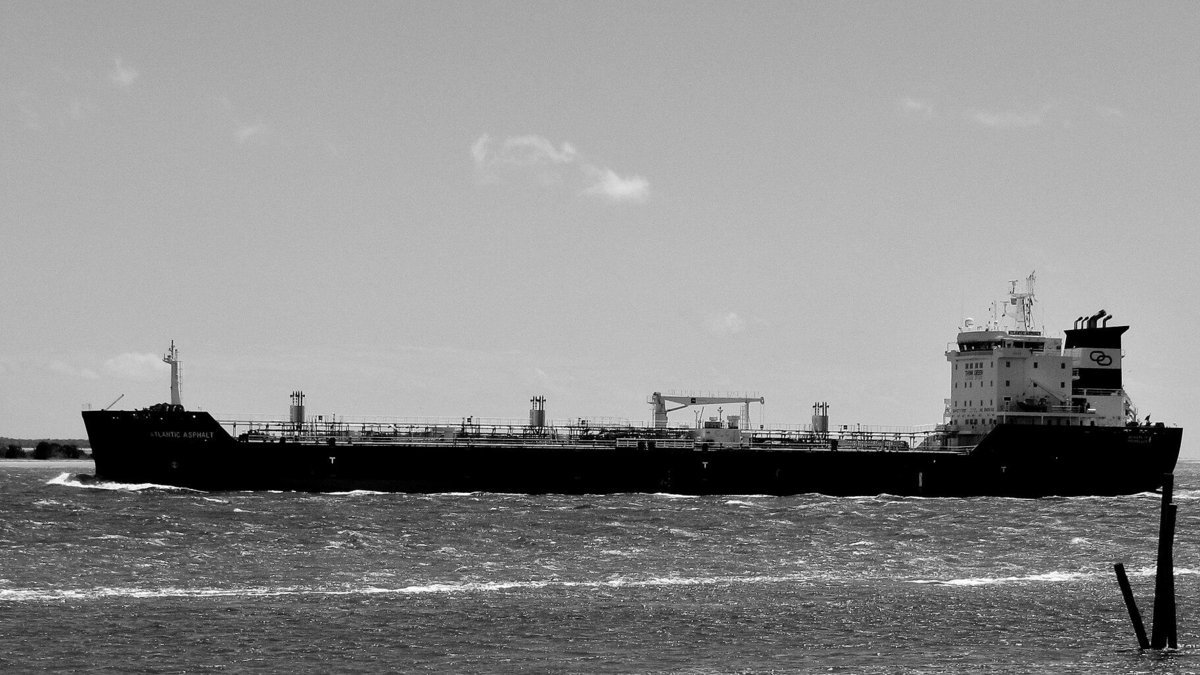
The Atlantic Asphalt’s allision with a river cruise ship in New Orleans has triggered the highest spike in maritime attention this year, leaving the tanker’s owners facing a $1 million lawsuit and a narrative they do not control.
On Friday, November 13, the tanker Atlantic Asphalt struck the American Heritage at her berth on the Mississippi River, capsizing the cruise ship. While nearly 200 people were aboard and more than 30 were taken to the hospital, there were no fatalities or pollution. The Port of New Orleans is now suing the tanker’s owners for more than $1 million.
The incident sent the Maritime Attention Index from 91 to 188 over the weekend, its highest reading since June. This level of interest surpassed the attention given to the 25 seafarers killed in the Strait of Hormuz since the war with Iran began and the drone strikes sinking cargo ships in the Black Sea.
Why it matters
The Atlantic Asphalt incident proves that visibility and location dictate the industry’s reputation more than actual loss of life or environmental harm. While the Black Sea is now the world’s deadliest shipping route, the New Orleans allision dominated the global agenda because it was filmed from multiple angles in the world’s largest news market. The presence of passengers, whom the public can easily identify with, created a level of engagement that the deaths of seafarers in remote war zones rarely achieve.
For the owners of the Atlantic Asphalt, the immediate danger is the vacuum of information. Currently, the US Coast Guard, the National Transportation Safety Board (NTSB), and the Port of New Orleans are the only voices shaping the story. While the current headline is the “miracle on the Mississippi,” the authorities are focused on the response rather than defending the ship. By remaining silent, the company allows these agencies to define the narrative before the investigation even concludes.
This lack of communication leaves the company with little say in how the public and the courts perceive the incident. When the investigation shifts from the rescue to why the tanker lost control, the company may find that the story of their liability has already been written by others. The $1 million lawsuit from the port is likely the first of many financial pressures resulting from an event that has captured more attention than two active wars at sea.
What to watch
The NTSB investigation into why the Atlantic Asphalt lost control and the progression of the Port of New Orleans’ $1 million legal claim against the tanker’s owners.
Source: Splash247