

Tanker Midas Hits Lumut Seawall During Unpermitted Sea Trials
An unauthorized sea trial of the tanker Midas ended in a collision in Malaysia, highlighting the risks of transferring aging coastal tonnage.
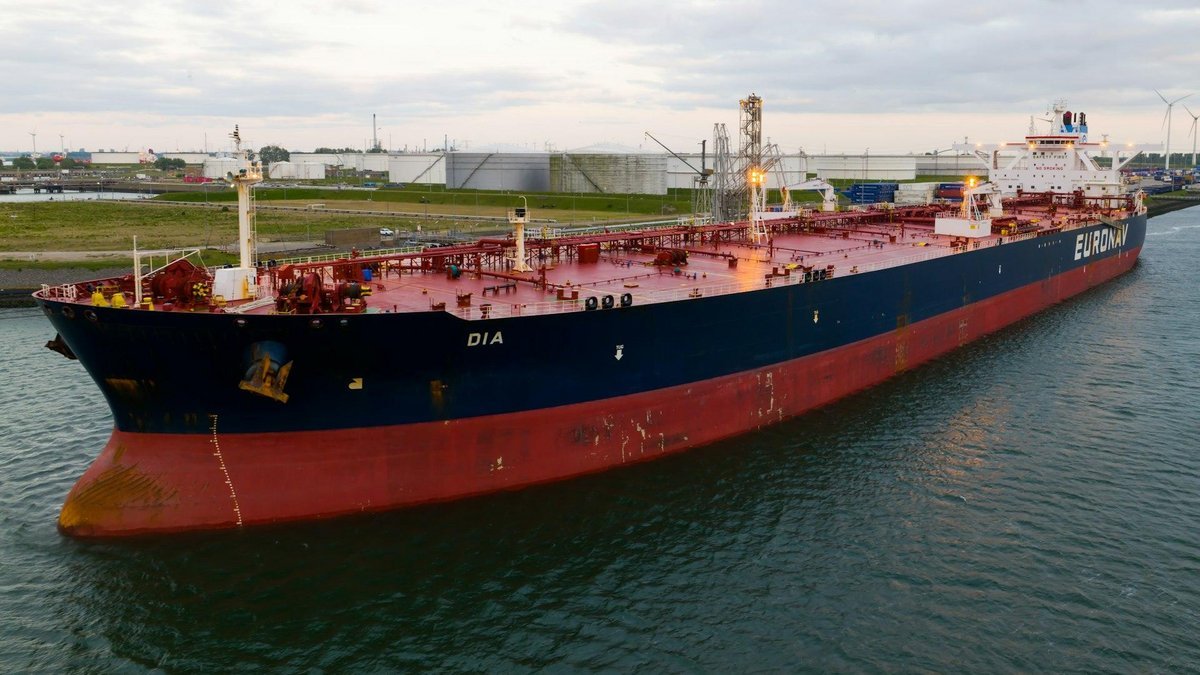
The coastal tanker Midas struck a public seawall in Lumut, Malaysia, on Monday during an unauthorized sea trial, highlighting the operational risks inherent in the transfer of aging tonnage to new owners.
The 1,000 GT vessel, formerly named Fuji, recently changed hands to a Thai owner and was conducting trials off the coast of Perak without regulatory approval. AIS data from Pole Star Global showed the ship making 4.5 knots shortly before hitting the esplanade structure at a relatively high speed. The Malaysian Maritime Enforcement Agency found 10 Thai crewmembers on board and confirmed that no injuries or pollution occurred.
Built in 1994, the Midas is currently registered to a Samoa-based company according to GISIS records, though it was broadcasting a Mongolian flag on AIS at the time of the incident. Authorities expect to refloat the vessel during a higher tide before moving it to an anchorage for further investigation.
Why it matters
This incident exposes the liability gaps that emerge when vessels operate outside regulatory frameworks during ownership transitions. By bypassing the required authorization for sea trials, the owners have invited immediate scrutiny from Malaysian regulators and likely complicated any insurance claims related to the hull damage or the seawall structure.
For port and terminal operators, the Midas grounding serves as a reminder of the risks posed by aging coastal tankers. At 30 years old, this vessel represents a segment of the fleet where maintenance standards and regulatory compliance often fluctuate during sales. The discrepancy between the Samoa-based registration and the Mongolian flag broadcast suggests a lack of administrative clarity that often precedes operational failures.
The high speed of the approach, captured by bystander video, points to a potential mechanical failure or significant bridge team error during the unpermitted trial. For insurers and future charterers, these circumstances suggest an underpriced risk profile for a vessel that was operating without the necessary oversight from local maritime authorities.
What to watch
Malaysian authorities are currently investigating the cause of the collision while the vessel remains at anchor. The success of the planned salvage operation during the next high tide will determine if the Midas faces further structural compromise or immediate detention for regulatory breaches.
Source: The Maritime Executive