

EU Boards False-Flag Tanker Midag as Shadow Fleet Sanctions Loom
Operation IRINI boarded the tanker Midag to verify its flag, providing the evidence needed for the EU's next round of shadow fleet sanctions.
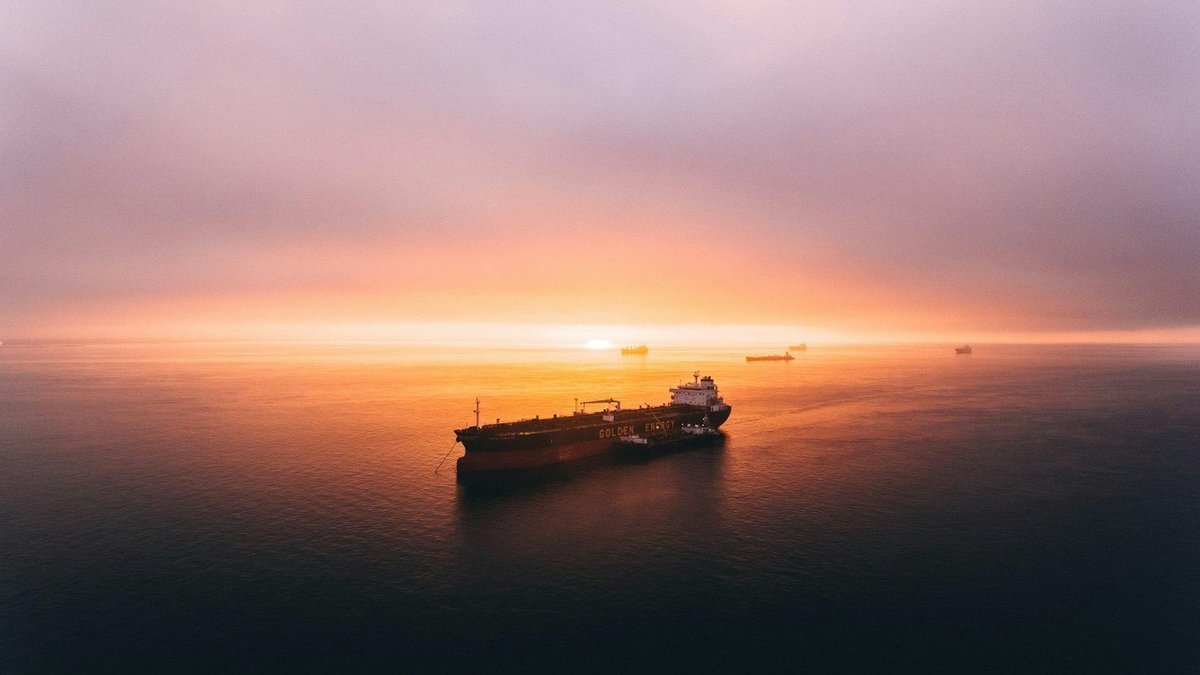
EU naval forces boarded the Aframax tanker Midag in the Mediterranean on November 13, using flag-verification rules to gather evidence against the shadow fleet ahead of a new round of sanctions.
Operation IRINI personnel conducted the boarding under Article 110 of the UN Convention on the Law of the Sea to verify the vessel’s flag. The 106,138 dwt tanker claims a Zimbabwe registration, but authorities believe it is a false flag. The vessel, which was sold to Chinese interests in July, has had its class withdrawn.
The Midag was previously sanctioned by the U.S. in May 2026 for transporting Iranian oil. In less than 12 months, the tanker has changed names three times and claimed five different flags since 2022, including Panama, Sierra Leone, Saudi Arabia, and Dominica. By the end of August, IRINI had reported stopping six tankers in the Mediterranean under its expanded mission.
AIS signals show the vessel transited the Suez Canal from Egypt and is declaring a destination of Denmark. However, IRINI reports the ship is likely bound for Russia to load a new cargo. After the inspection, the tanker resumed sailing and is approaching the Strait of Gibraltar.
Why it matters
Operation IRINI lacks the mandate to seize vessels, but these boardings provide the evidentiary trail required to blacklist specific hulls. By confirming the Midag is operating under a false flag with withdrawn class, the EU is building a legal case to target the ship’s new Chinese owners and its supporting financial network. This data will likely feed directly into the November 16 meeting of EU Foreign Ministers, where new sanctions on shadow fleet banks and buyers are on the agenda.
For legitimate operators, the Midag represents the extreme end of regulatory evasion. The EU is now using naval assets to bridge the gap between AIS data and physical reality, signaling that flag-hopping will no longer provide anonymity in European waters. The inspection of a vessel already under U.S. sanctions suggests a tightening of transatlantic coordination to isolate these assets from the global market.
The vessel’s current transit—coming from Egypt and declaring Denmark while likely bound for Russia—suggests the EU is focusing on the ballast leg of the journey. This allows for inspections without the environmental risks associated with boarding a loaded tanker, while still securing the data needed to disrupt the vessel’s next commercial engagement.
What to watch
EU Foreign Ministers meet on Monday, November 16, to review and approve new Russia sanctions listings, which may include the banks and companies supporting the shadow fleet.
Source: The Maritime Executive