

ZIM exits Arkas-Evergreen Black Sea feeder service
ZIM withdraws from the GPM/BSX service, leaving customers on the Piraeus-Black Sea route without a confirmed alternative for regional cargo.
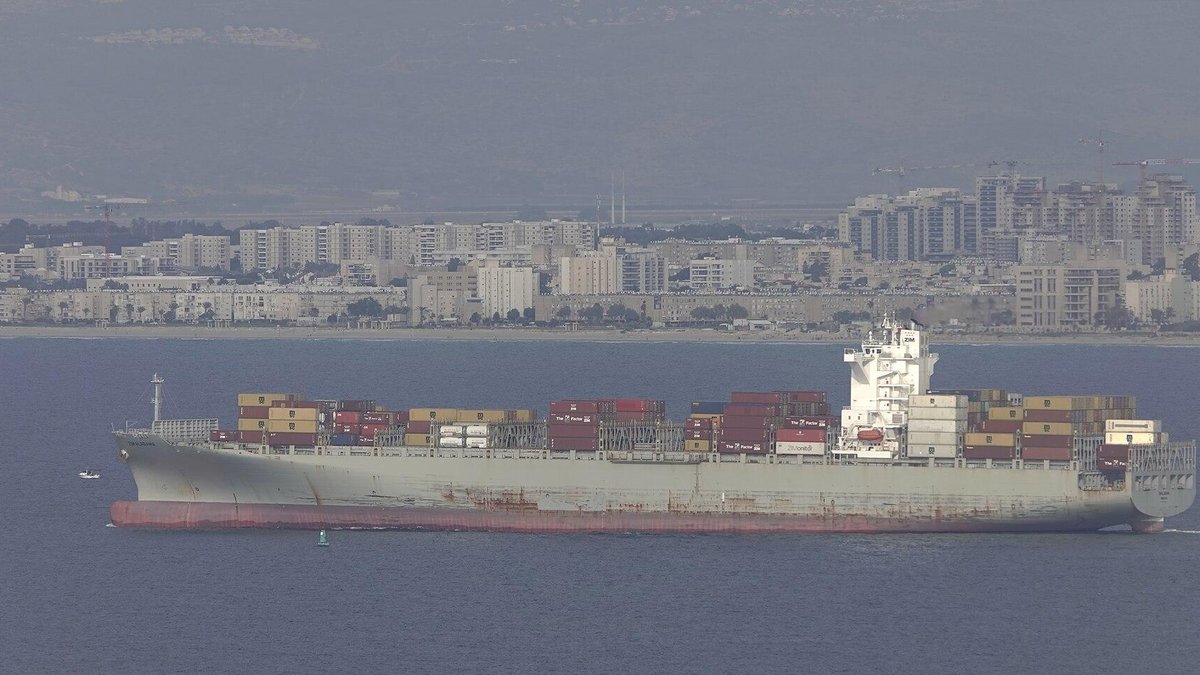
ZIM has withdrawn from the Arkas-Evergreen Black Sea service, stripping its customers of a direct link between the Greek hub of Piraeus and key gateways in Georgia, Romania, and Bulgaria. The exit ends the Israeli carrier’s participation in a regional slot-chartering arrangement, leaving cargo owners without a confirmed alternative for these specific port pairs.
The carrier previously marketed the service as the Black Sea Express (BSX), using capacity chartered on vessels jointly operated by Arkas and Evergreen. The rotation connects Piraeus with Poti, Constanta, and Varna. While ZIM is ending its involvement, Arkas and Evergreen will continue to operate the underlying service.
ZIM has not provided an effective date for its withdrawal or details on how it will handle cargo for affected customers. The route is a primary channel for container flows serving the Georgian, Romanian, and Bulgarian markets through the Mediterranean.
Why it matters
The withdrawal narrows the competitive field for shippers moving cargo between Greece and the Black Sea. ZIM’s exit means one fewer commercial option for booking space on this specific rotation, potentially tightening capacity for those who specifically relied on the carrier’s network to reach Poti, Constanta, and Varna.
For cargo owners and forwarders, the lack of an immediate alternative or a clear exit date creates a planning vacuum. Businesses with established supply chains running through Piraeus to these three Black Sea gateways must now wait for ZIM to announce how it intends to fulfill its regional commitments or whether it will abandon these direct connections entirely.
The move also changes the volume dynamics for the remaining operators, Arkas and Evergreen. By losing a slot-charter partner, the operators must either fill the vacated capacity with their own cargo or find a new partner to maintain the economic viability of the service. This shift suggests a change in ZIM’s regional strategy, prioritizing different routes over this specific feeder connection.
What to watch
Watch for ZIM to announce alternative arrangements for its customers, which will reveal whether the carrier intends to launch a new proprietary service or secure slots on a different regional rotation. The announcement of an effective date for the withdrawal will be the next trigger for shippers to reroute their Black Sea cargo.
Source: Container News