

LA and Long Beach Import Surge Hits One Million TEUs as Shippers Frontload
Imports at LA and Long Beach passed 1M TEUs in October as firms frontload goods ahead of tariff deadlines and AI infrastructure needs.
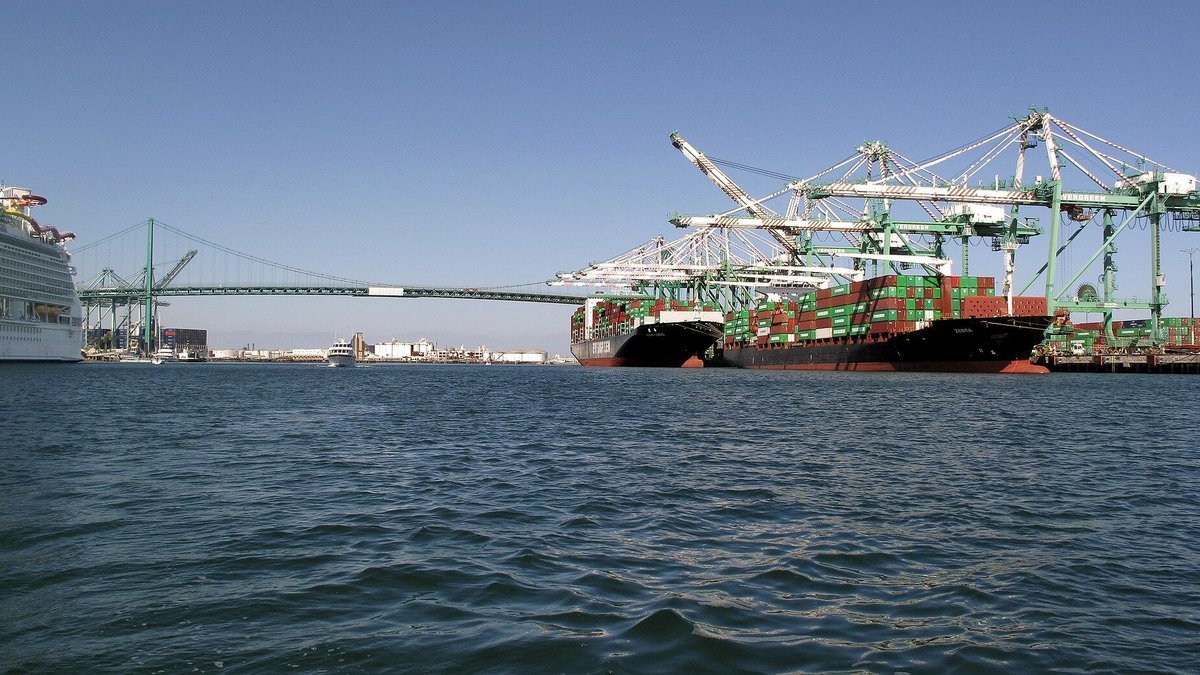
Southern California’s primary trade gateways handled more than one million import containers in October for the second time in history, as shippers frontload goods to beat a January trade deadline and supply the infrastructure for the AI buildout.
Combined imports at the Port of Los Angeles and the Port of Long Beach reached 1,000,500 twenty-foot equivalent units (TEUs) last month, falling just short of the all-time record set in September. Loaded imports rose 20% year-over-year in Los Angeles and 11% in Long Beach, according to data from both port authorities.
Port of Long Beach CEO Noel Hacegaba attributed the sustained volume to importers securing goods before a US-China trade truce expires in January. He expects elevated container levels to persist through the first quarter of 2027. Meanwhile, exports at the two ports fell by 7% and 6% respectively, while the movement of empty containers surged by as much as 26% in Los Angeles.
The National Retail Federation (NRF) reported that these high volumes are already causing operational friction, specifically backups for rail-bound cargo. The NRF also warned of a potential strike by security workers if a new labor contract is not signed by a November 20 deadline.
Why it matters
The surge in empty container movements indicates that ocean carriers are prioritizing equipment repositioning to Asia over US exports. By moving empties back to Asian load ports at double-digit growth rates, carriers are signaling that they expect transpacific import demand to remain the more profitable priority through the end of the year.
For logistics managers and cargo owners, the immediate concern is terminal and rail fluidity. The NRF’s confirmation of rail-bound cargo backups suggests that the ports are operating at or near their effective capacity. Shippers moving goods to inland hubs should prepare for extended dwell times as terminals struggle to clear the October record.
The current volume is driven by a specific deadline: the January expiration of the US-China trade truce. This frontloading creates a volatile demand profile. While Port of Long Beach leadership expects a busy first quarter, the NRF predicts a 3% dip in January. This suggests that once the tariff-hedging cargo is cleared, the market may face a correction in the second quarter of 2027 as the inventory cycle resets.
What to watch
The November 20 deadline for security worker labor talks is the next critical trigger. A failure to reach an agreement risks a work stoppage that would freeze gate operations and turn existing rail delays into a full-scale terminal blockade.
Source: gCaptain