Yang Ming Boxship First SIMOPS LNG Bunkering in Shanghai | Mariner News
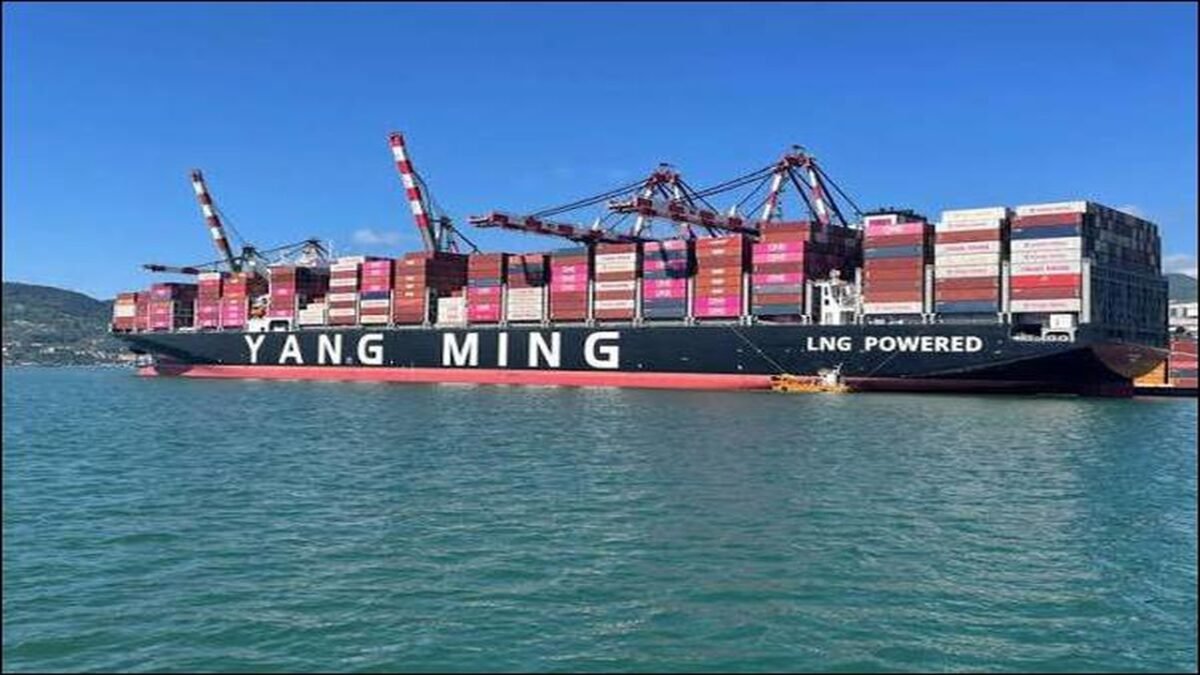
In a significant leap forward for maritime efficiency and sustainable shipping, Taiwan’s Yang Ming Marine Transport Corp’s container ship, the YM Willpower, has successfully completed its inaugural Simultaneous Operations (SIMOPS) LNG bunkering at the bustling Port of Shanghai, China. This landmark event, which saw the 15,500 TEU dual-fuel vessel receive approximately 2,000 metric tons of liquefied natural gas (LNG) while simultaneously handling cargo, marks a pivotal moment for global shipping logistics. The operation, a collaborative effort with Shanghai International Port (Group) and SIPG Energy Shanghai, underscores a growing industry commitment to integrating cleaner fuel technologies with optimized port turnaround times, setting a new benchmark for operational excellence in the container shipping sector.
Boosting Efficiency: The Power of SIMOPS LNG Bunkering
SIMOPS, or Simultaneous Operations, represents a sophisticated logistical approach where critical tasks are performed concurrently, rather than sequentially. In the context of LNG bunkering, this means the vessel can take on its essential fuel supply while simultaneously undertaking cargo loading and unloading activities. Traditionally, ships would need to dedicate separate periods for bunkering and cargo operations, leading to extended port stays and increased operational costs. The successful execution of SIMOPS LNG bunkering by the YM Willpower dramatically reduces port turnaround time, directly translating into enhanced operational efficiency and potentially more voyages annually for the vessel. This streamlined process not only optimizes vessel utilization but also helps alleviate port congestion, benefiting the entire supply chain. Furthermore, the inherent safety protocols and advanced technology required for such simultaneous operations highlight the industry’s continuous evolution towards safer, more integrated maritime practices. Embracing this advanced fueling method is a testament to the maritime sector’s drive to innovate and overcome logistical challenges while adopting cleaner energy solutions.
Yang Ming’s Vision for Sustainable Container Shipping
Yang Ming Marine Transport Corp’s proactive engagement in this pioneering SIMOPS LNG bunkering operation is a clear indicator of its strategic commitment to environmental stewardship and fleet modernization. As one of the world’s leading container shipping lines, Yang Ming recognizes the imperative to reduce its carbon footprint and invest in future-proof technologies. The YM Willpower is part of a new generation of LNG dual-fuel container ships joining Yang Ming’s fleet, demonstrating a substantial investment in cleaner marine fuels. The company took delivery of its third such vessel in June, underscoring a continuous expansion of its lower-carbon shipping capabilities. This strategic pivot towards alternative fuels like LNG aligns with international maritime regulations aimed at decarbonization, positioning Yang Ming as a frontrunner in green maritime technology adoption. By integrating these advanced vessels and efficient bunkering methods, Yang Ming is not only contributing to a healthier planet but also enhancing its competitive edge in a global market increasingly prioritizing sustainability. This commitment extends beyond individual vessel operations, reflecting a holistic approach to creating a more eco-friendly and efficient maritime transport network, setting a powerful example for other shipping giants to follow.
Shanghai Port: A Hub for Green Maritime Innovation
Shanghai Port, already recognized as the world’s busiest container port, is rapidly solidifying its position as a leading hub for green maritime innovation. The successful SIMOPS LNG bunkering operation involving the YM Willpower underscores the port’s advanced infrastructure and its forward-thinking approach to facilitating sustainable shipping practices. The collaboration between Yang Ming, Shanghai International Port (Group) (SIPG), and SIPG Energy Shanghai was crucial for this achievement, showcasing a robust partnership model essential for driving industry-wide change. SIPG’s investment in sophisticated LNG bunkering facilities and its commitment to operational excellence are pivotal in attracting environmentally conscious shipping lines. By enabling efficient and safe SIMOPS, Shanghai Port enhances its appeal as a preferred destination for the growing fleet of LNG-powered vessels. This development not only benefits the port’s environmental credentials but also reinforces its role as a critical node in global trade, demonstrating that economic growth and ecological responsibility can go hand-in-hand. The port’s proactive stance in developing green logistics solutions sends a strong signal to the international maritime community, encouraging further adoption of cleaner energy sources and more efficient operational methodologies across the Asian shipping routes and beyond, solidifying its reputation as a leader in sustainable port management.
The Global Push Towards Decarbonized Maritime Transport
This first SIMOPS LNG bunkering at Shanghai by a Yang Ming boxship is more than just an isolated event; it is a significant contributor to the global momentum towards decarbonizing maritime transport. The international shipping industry is under increasing pressure to reduce greenhouse gas emissions, with ambitious targets set by organizations like the International Maritime Organization (IMO). LNG, while a fossil fuel, offers a substantial reduction in sulfur oxides, nitrogen oxides, and particulate matter emissions compared to traditional heavy fuel oil, serving as a crucial transitional fuel on the path to net-zero shipping. The successful integration of SIMOPS technology with LNG bunkering accelerates the environmental benefits by making the adoption of this cleaner fuel more logistically viable and economically attractive. As more dual-fuel vessels enter service and port infrastructure for LNG bunkering expands globally, such operations will become increasingly common. This collective effort, from shipping lines like Yang Ming to major ports like Shanghai, illustrates a tangible commitment to fostering a sustainable future for marine transport. It paves the way for further innovation in alternative fuels, such as green methanol, ammonia, and hydrogen, as the industry continues its journey towards a fully decarbonized global fleet. The continuous evolution in fueling logistics and operational practices is vital for meeting future environmental regulations and ensuring the long-term viability and ecological responsibility of the entire maritime sector, inspiring further research and development in sustainable vessel technologies and supply chains worldwide.