

Wison New Energies Lays Keel for Sakarya Phase 3 Ultra-Deepwater FPU
Wison New Energies begins construction on a 25 mcm/day FPU for Türkiye’s Sakarya gas field, a key step for Black Sea energy independence.
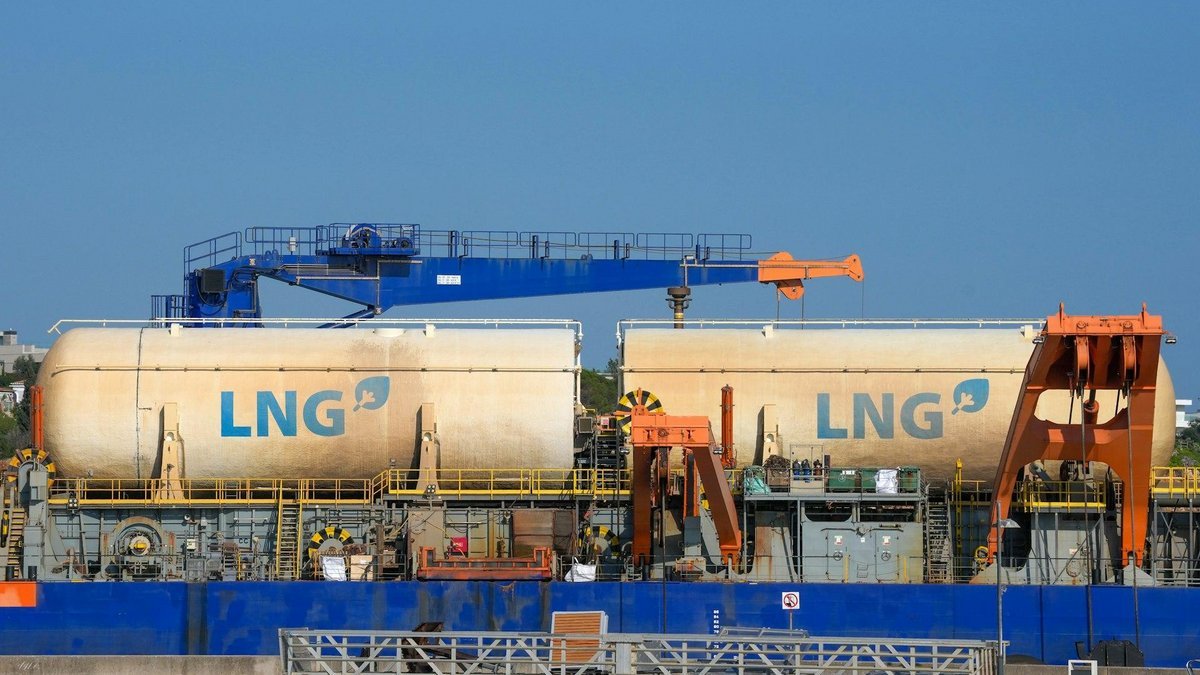
Wison New Energies has commenced the hull block assembly phase for a high-capacity floating production unit (FPU) destined for the Sakarya gas field, marking a major milestone in Türkiye’s push for energy sovereignty. The keel-laying ceremony, held at the Nantong yard on October 25, signals the project’s transition into full-scale construction for the Phase 3 development of the Black Sea’s largest gas discovery.
The FPU is being built for the Turkish state energy firm TPAO and is designed to process up to 25 million cubic meters of natural gas per day. Operating at an ultra-deepwater depth of 2,150 meters, the unit will perform critical gas processing, compression, and export functions. The vessel is engineered for a 30-year service life, reflecting the long-term strategic importance of the Sakarya field, which holds an estimated 405 billion cubic meters of proven reserves.
Industrializing the Black Sea
The move to a purpose-built FPU for Phase 3 represents a significant evolution in the field’s development strategy. While earlier phases utilized converted assets—including the 300-meter Osman Gazi, a former BW Offshore FPSO—the Phase 3 unit is a bespoke EPCIC project. This shift suggests that as TPAO moves deeper into the Sakarya field, the technical requirements of ultra-deepwater processing are necessitating specialized hull designs over repurposed tonnage to ensure operational stability over three decades.
The scale of the Phase 3 FPU is essential for Türkiye to reach its goal of meeting 30% of national gas demand via domestic production by 2030. Phase 2 of the project achieved first gas in April 2023, and the addition of the new Wison-built unit will provide the processing capacity required to handle the increased volumes expected as more subsea wells are tied back to the production hub.
Wison New Energies, which recently rebranded from Wison Offshore & Marine, is managing the project as an integrated EPCIC contractor. The company noted that the transition from block fabrication to hull assembly in the dry dock will place increased demands on project management and on-site coordination. The project remains on schedule as it moves toward the delivery of the ultra-deepwater asset, which will be stationed approximately 170 kilometers offshore.
Source: Offshore Energy