

Russia Targets African Markets for LNG Export Pivot
Russia’s Novatek pivots LNG exports to Africa and the Global South to bypass Western sanctions and secure long-term gas-to-power demand.
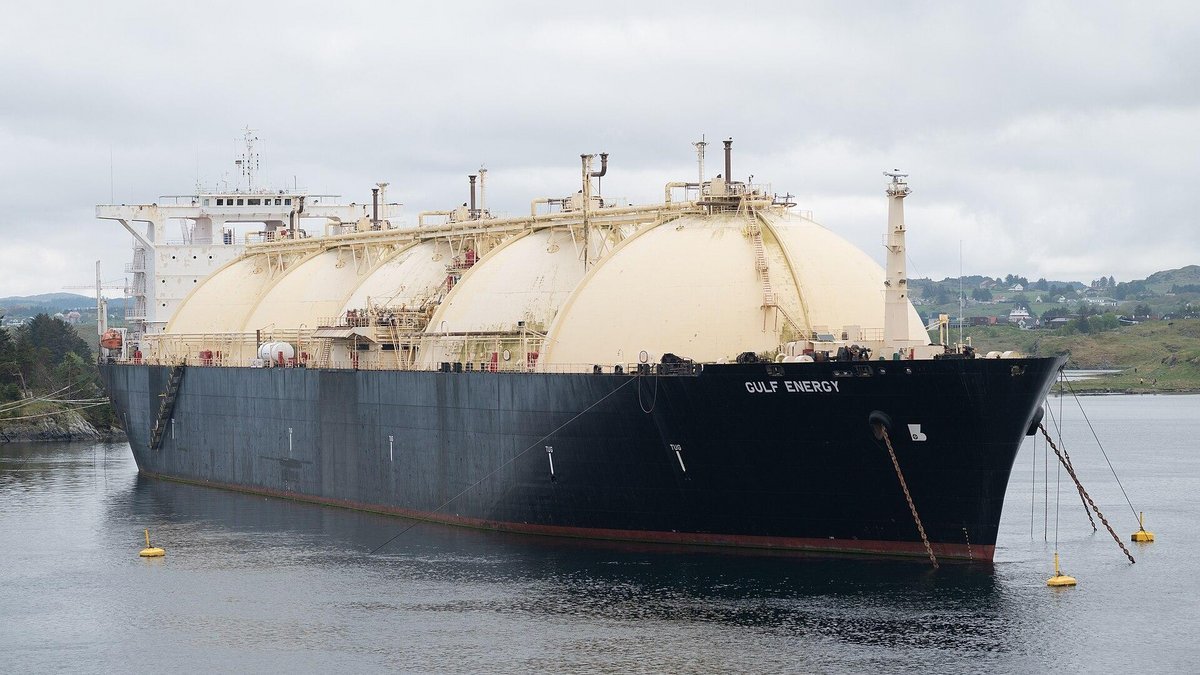
Russia is aggressively pivoting its liquefied natural gas (LNG) export strategy toward Africa and the Global South, seeking to insulate its energy sector from tightening Western sanctions and the loss of European market share. Novatek, Russia’s largest independent gas producer, is spearheading this shift by moving beyond traditional commodity sales to offer integrated gas-to-power infrastructure solutions.
The strategy aims to secure long-term demand in emerging markets where energy infrastructure is currently lacking. By bundling LNG supply with the provision of Floating Storage and Regasification Units (FSRUs) and power plant development, Russia is attempting to create captive markets that are less susceptible to the geopolitical pressures currently affecting its Arctic LNG 2 project and potential future restrictions on Yamal LNG.
Infrastructure-Led Market Entry
For the maritime sector, this pivot signals a significant shift in FSRU deployment patterns and vessel employment. Rather than competing for high-value regasification slots in established hubs, Russian-backed projects are likely to drive demand for specialized tonnage in regions like West Africa and Southeast Asia. This approach allows Russia to control more of the value chain, from the liquefaction plant to the burner tip, reducing its reliance on third-party traders and Western-controlled infrastructure.
This development may also accelerate the emergence of a bifurcated LNG shipping market. To service these new African and Asian routes while avoiding secondary sanctions, Moscow may be forced to replicate the “shadow fleet” model already prevalent in the crude oil and petroleum product sectors. This would involve the acquisition of older LNG carriers and the use of non-Western insurance and classification services to maintain the flow of gas from Russian terminals to emerging regasification hubs.
Recent diplomatic and commercial moves include a memorandum of understanding between Novatek and the Ghana National Petroleum Corporation (GNPC) for LNG deliveries. Similar outreach is reportedly underway in South Africa, Vietnam, and India, as Moscow seeks to diversify its buyer base. These agreements often prioritize the development of local gas-fired power generation, which provides a stable, multi-year outlet for Russian molecules that are increasingly unwelcome in the Atlantic basin.
The success of this pivot depends on Russia’s ability to secure the necessary regasification technology and specialized shipping capacity without Western assistance. While the gas-to-power model offers a viable path to market, it requires significant upfront capital investment and long-term operational commitment in regions with complex regulatory and security environments.
Source: maritime-executive